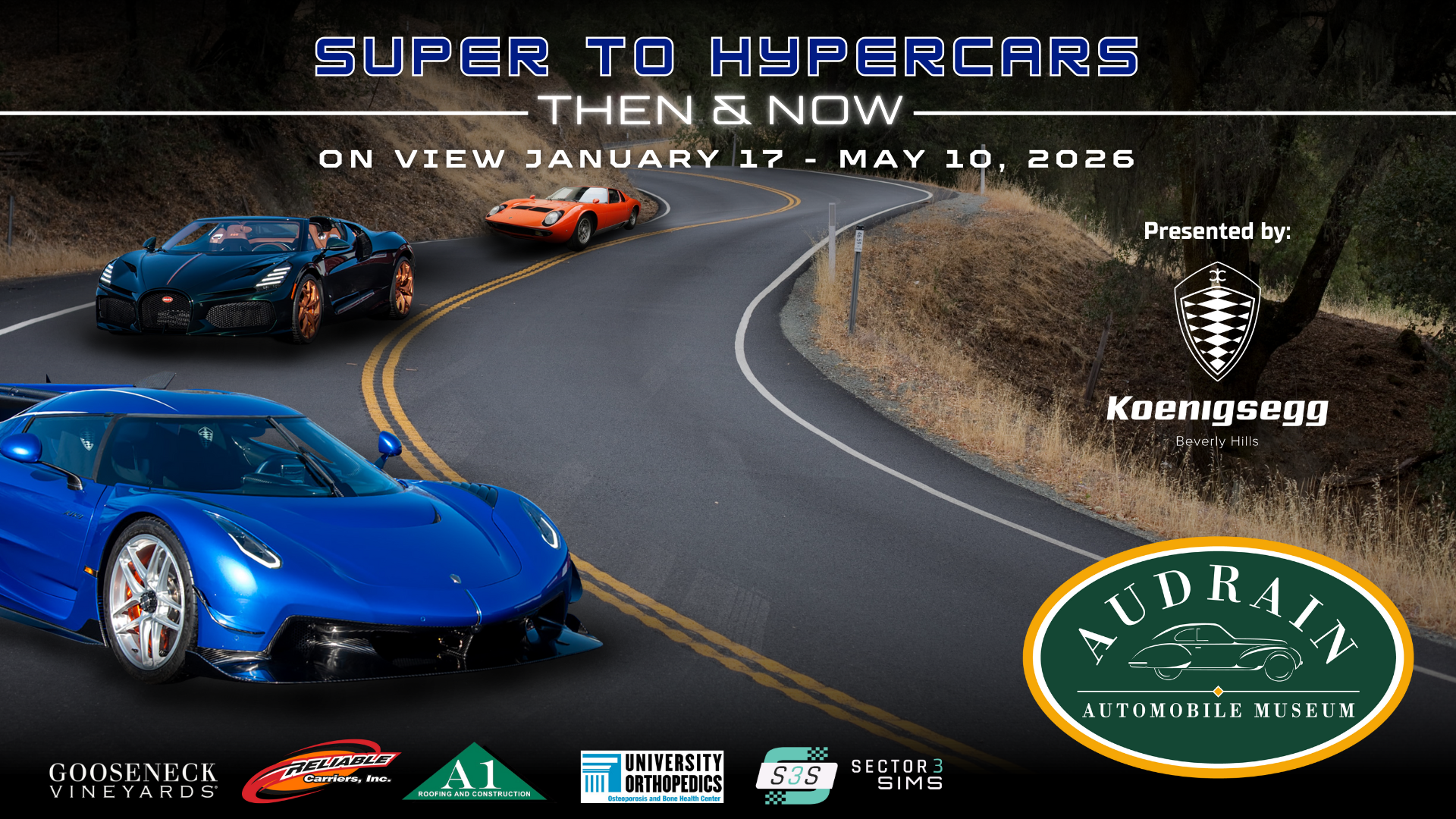
Super to Hypercars, Then & Now
Exhibition on view January 17 – May 10, 2026
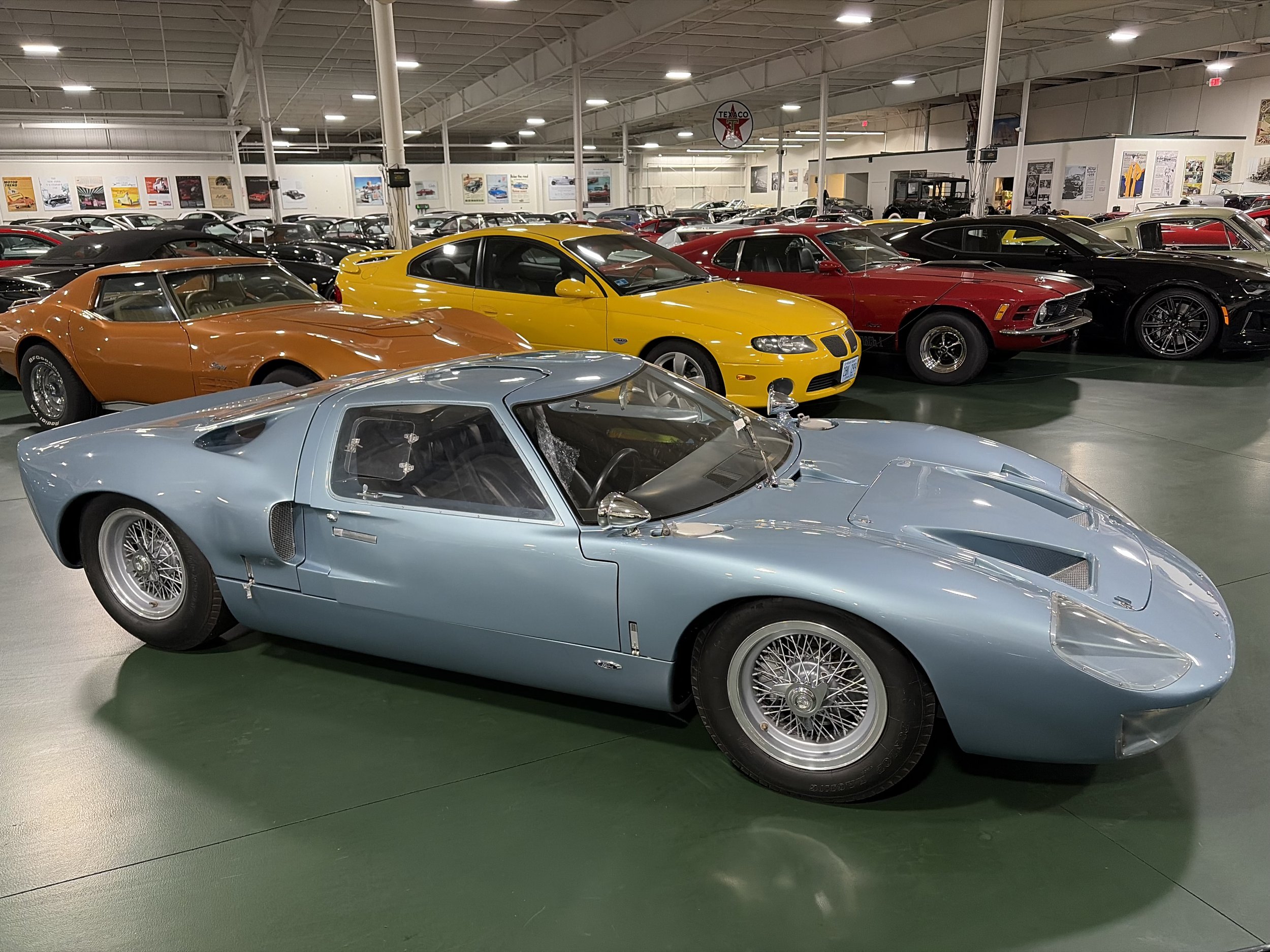
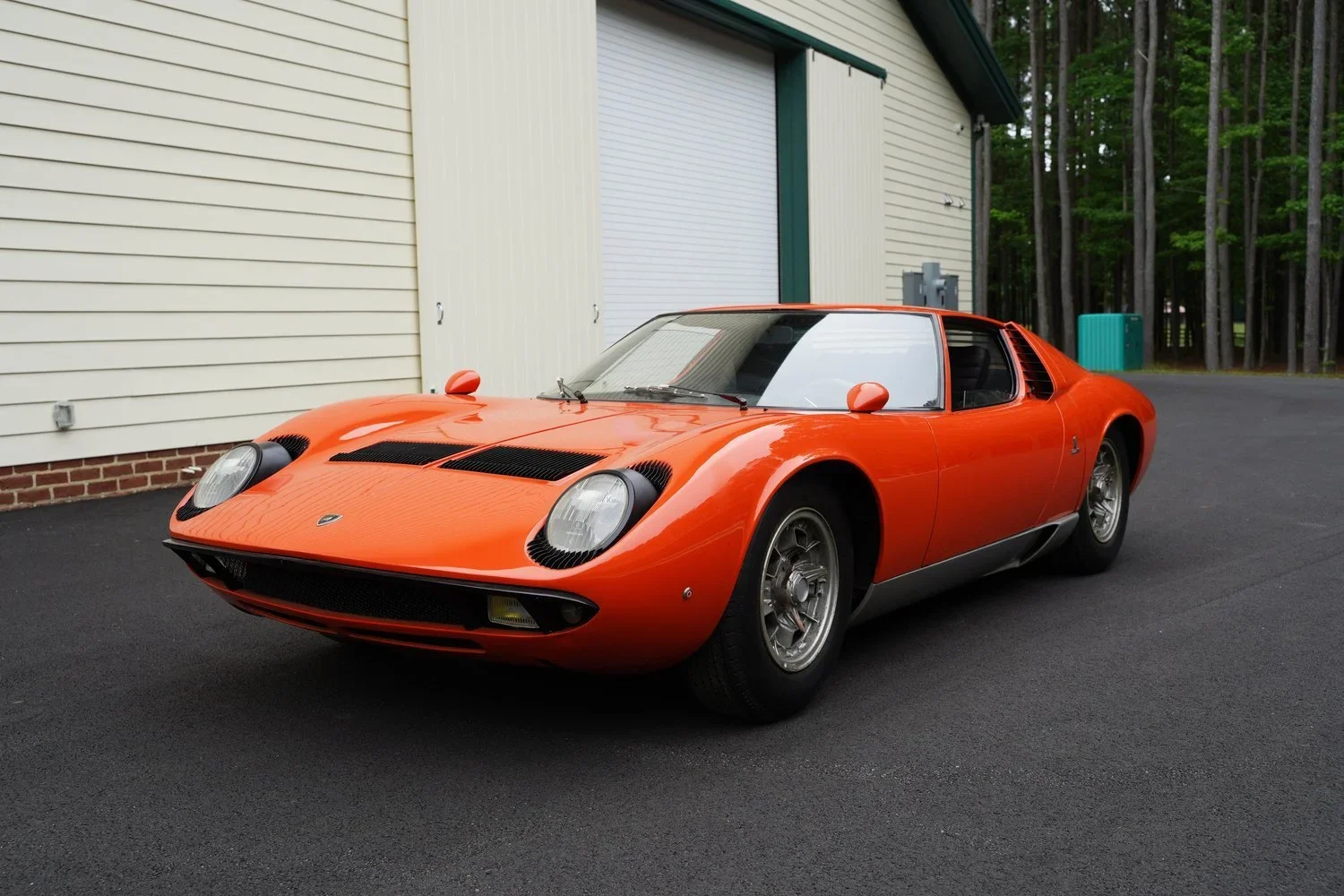
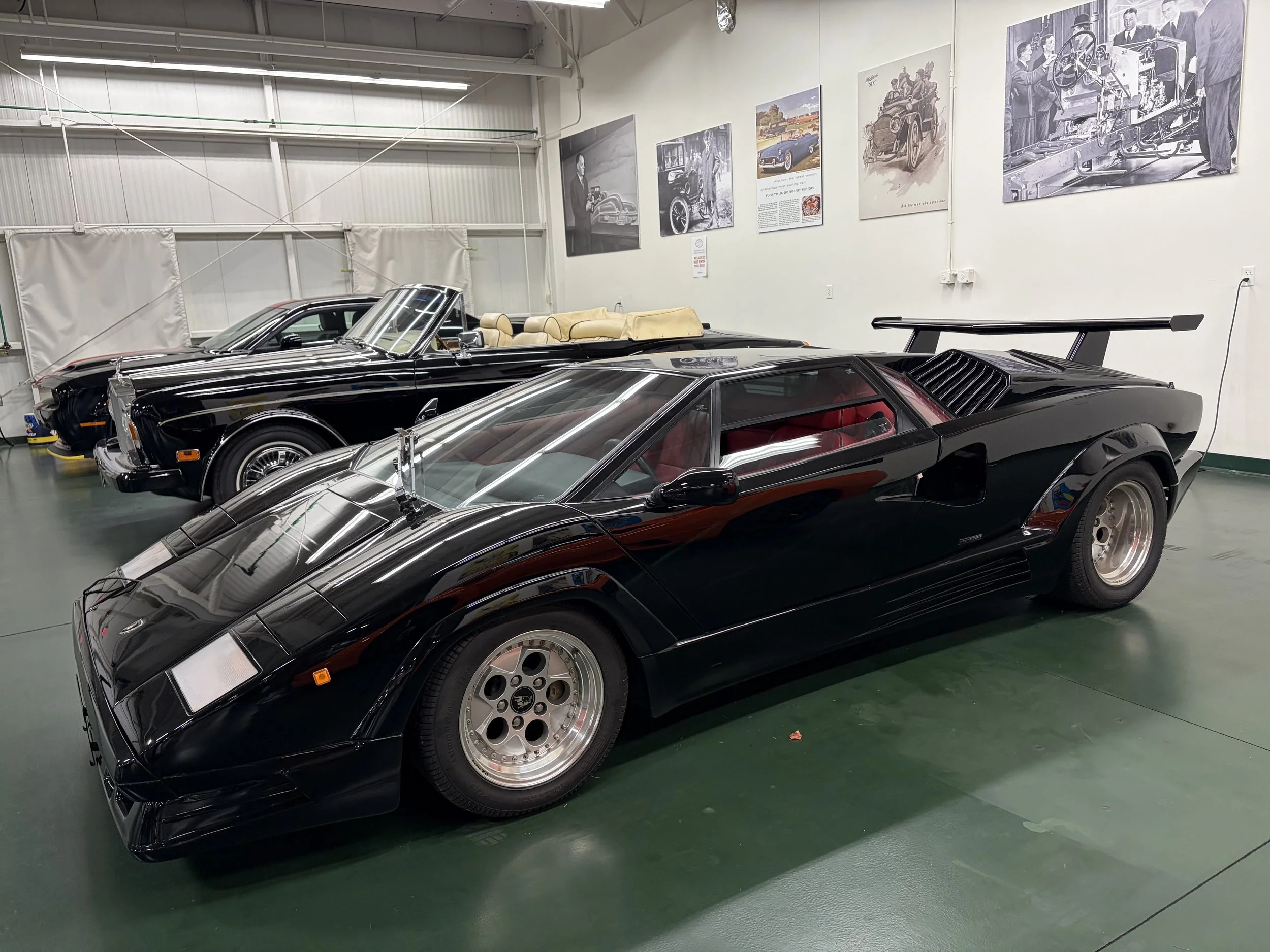
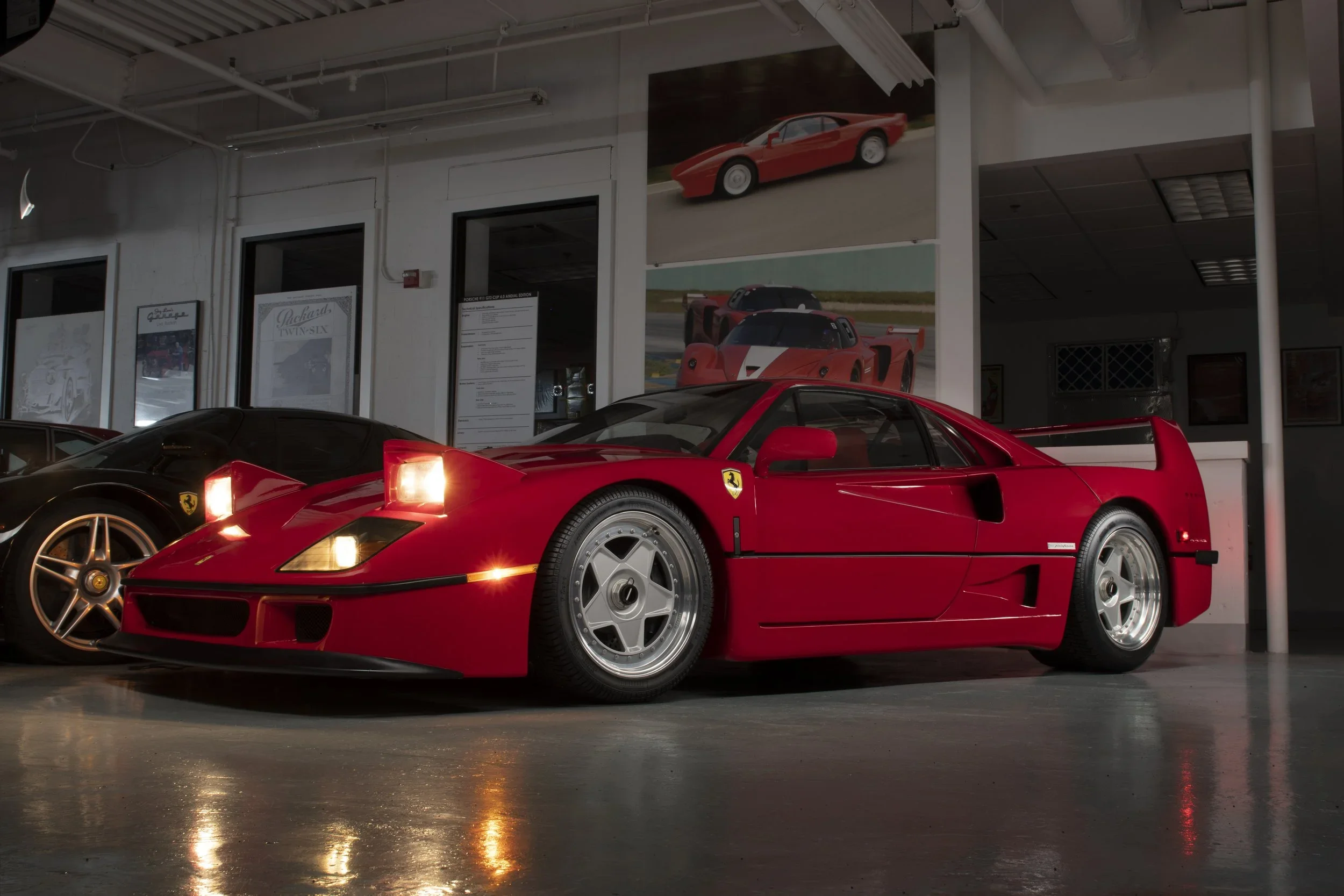
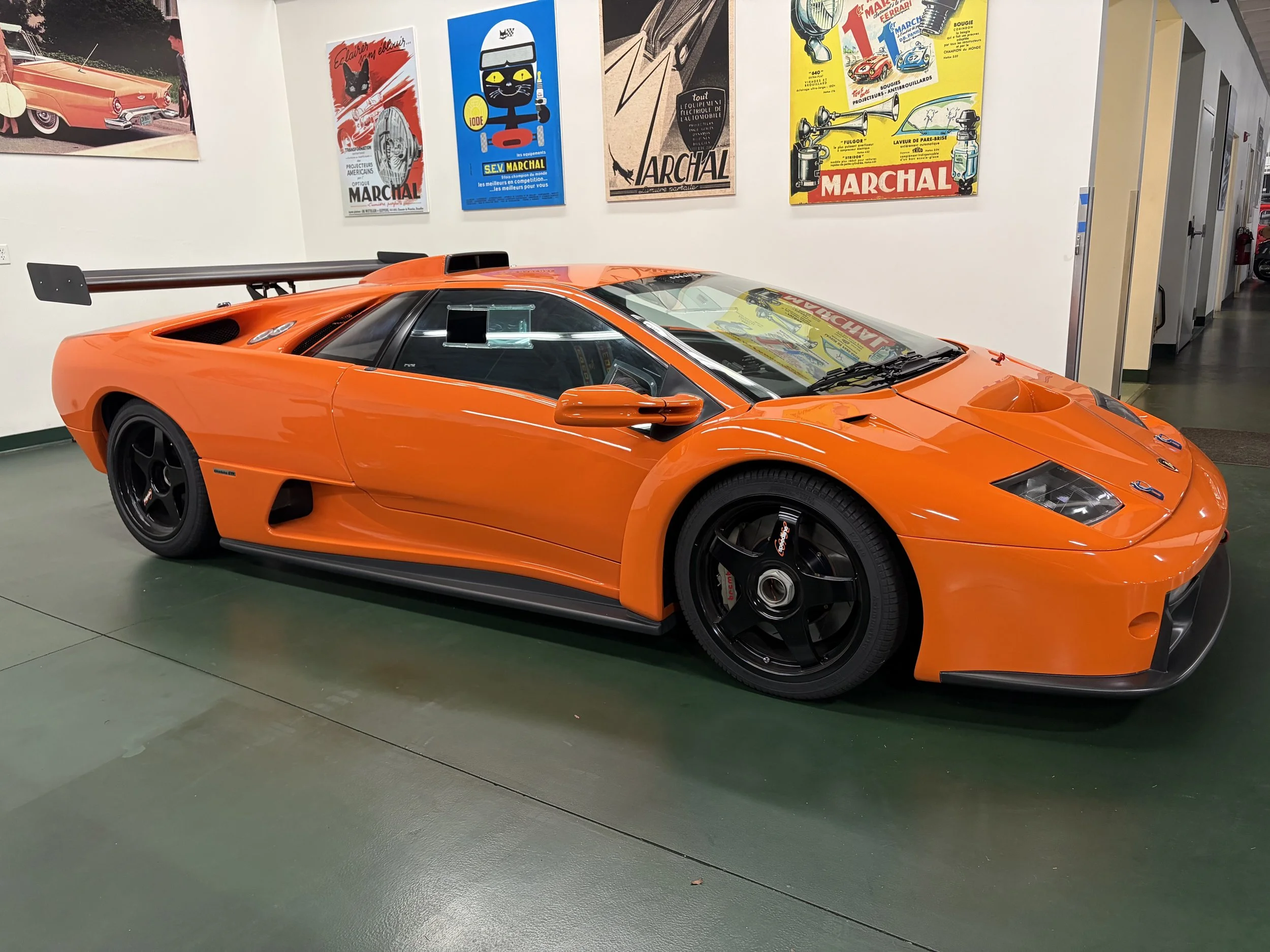
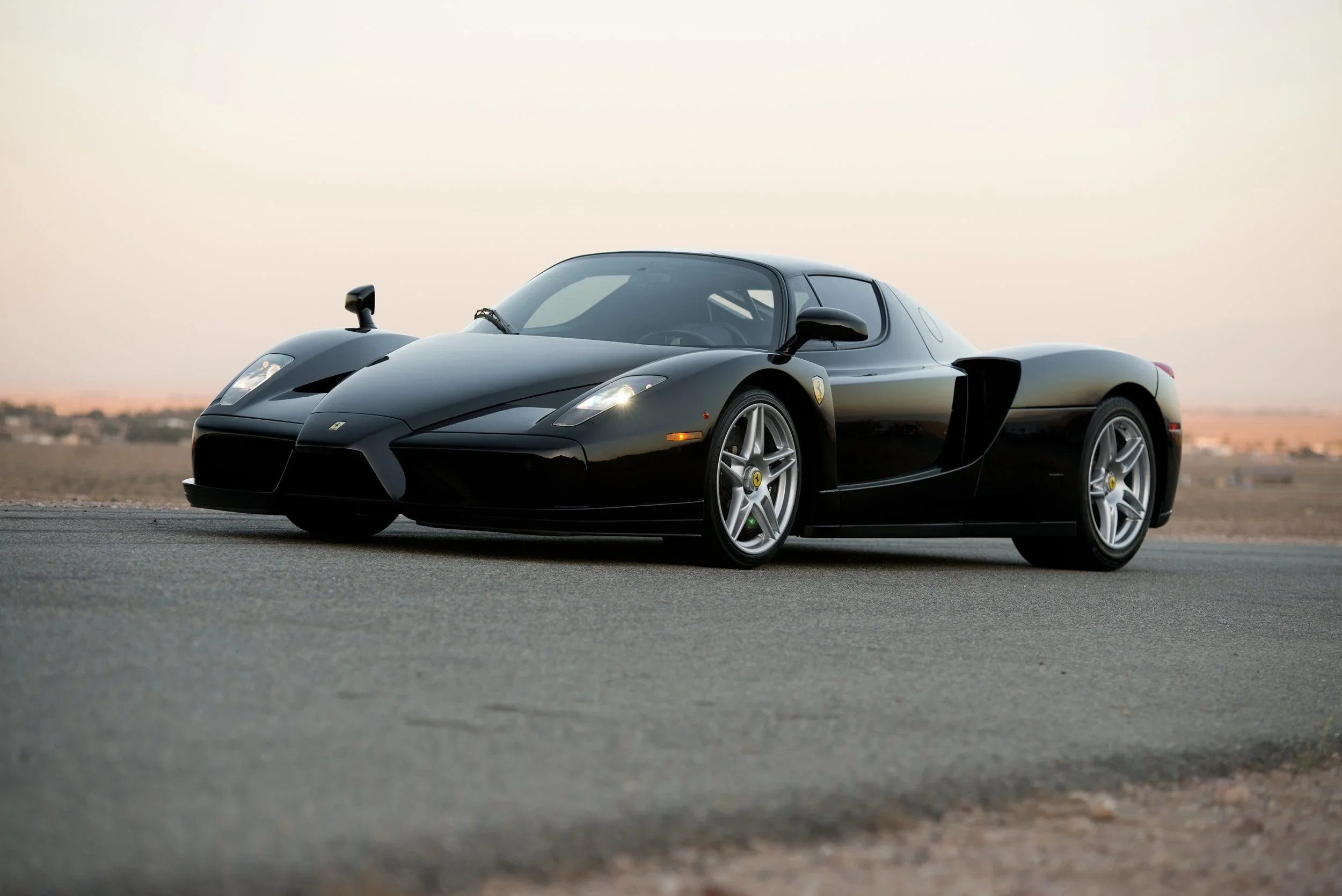
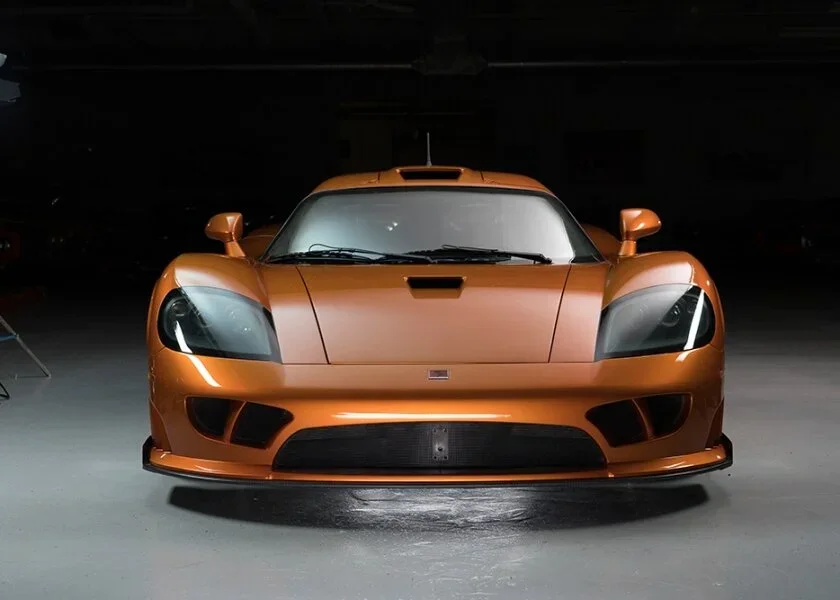
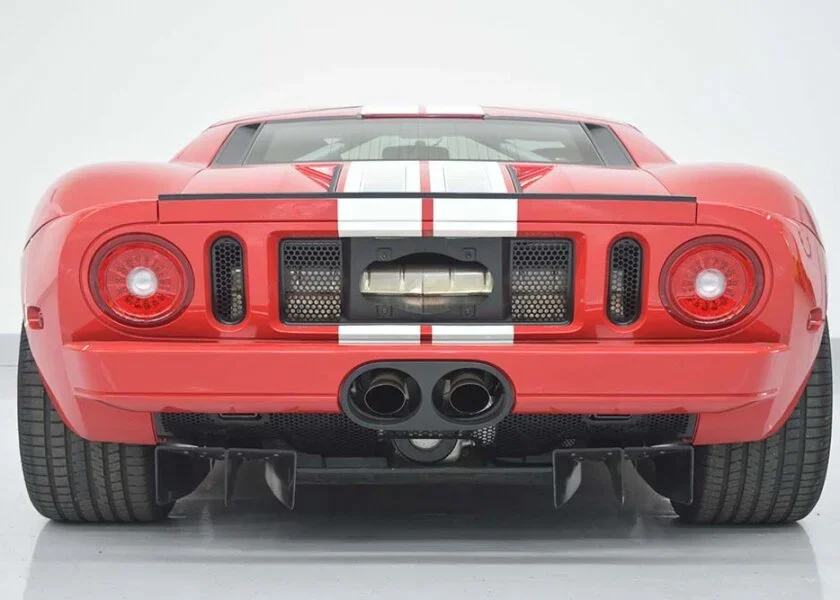
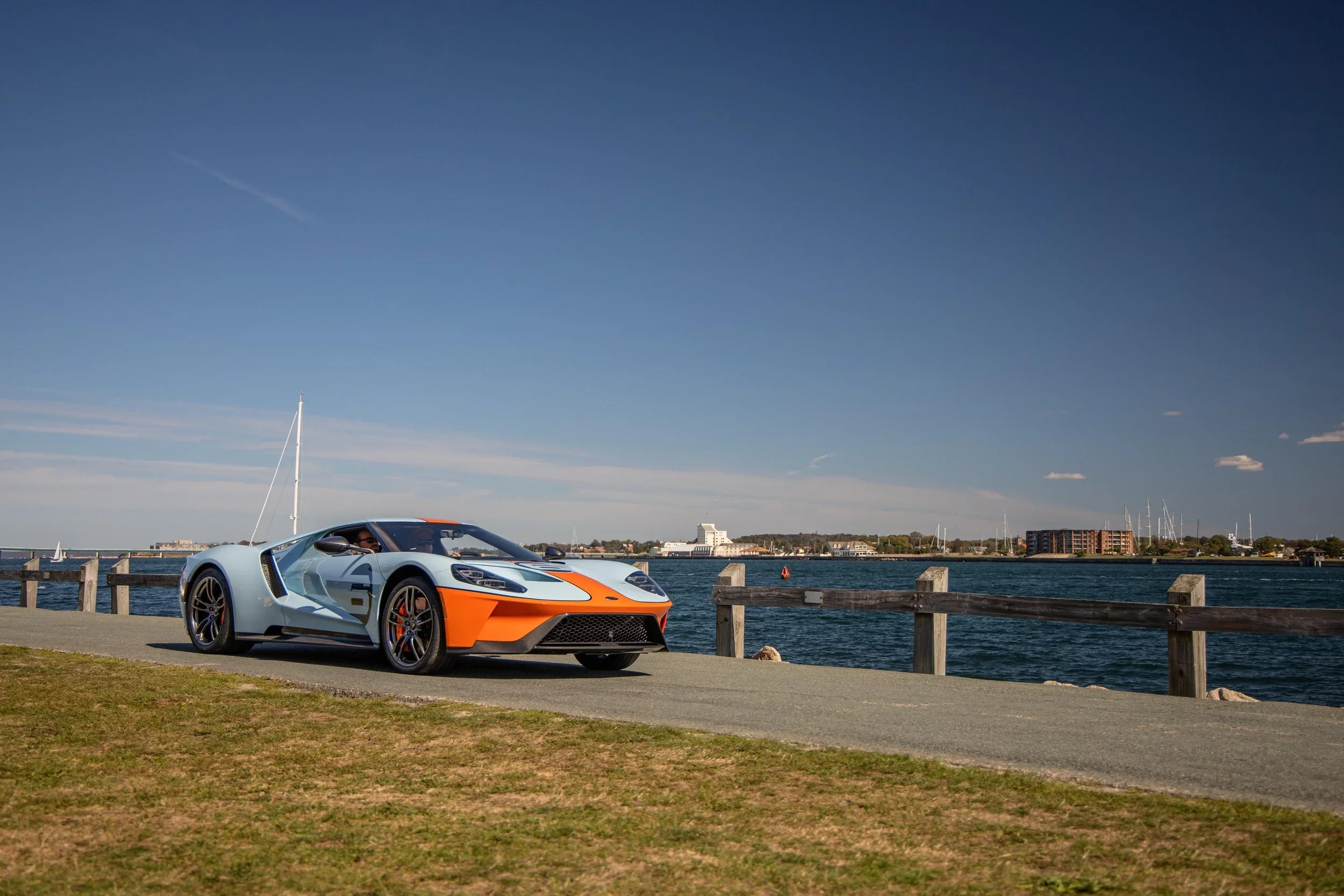
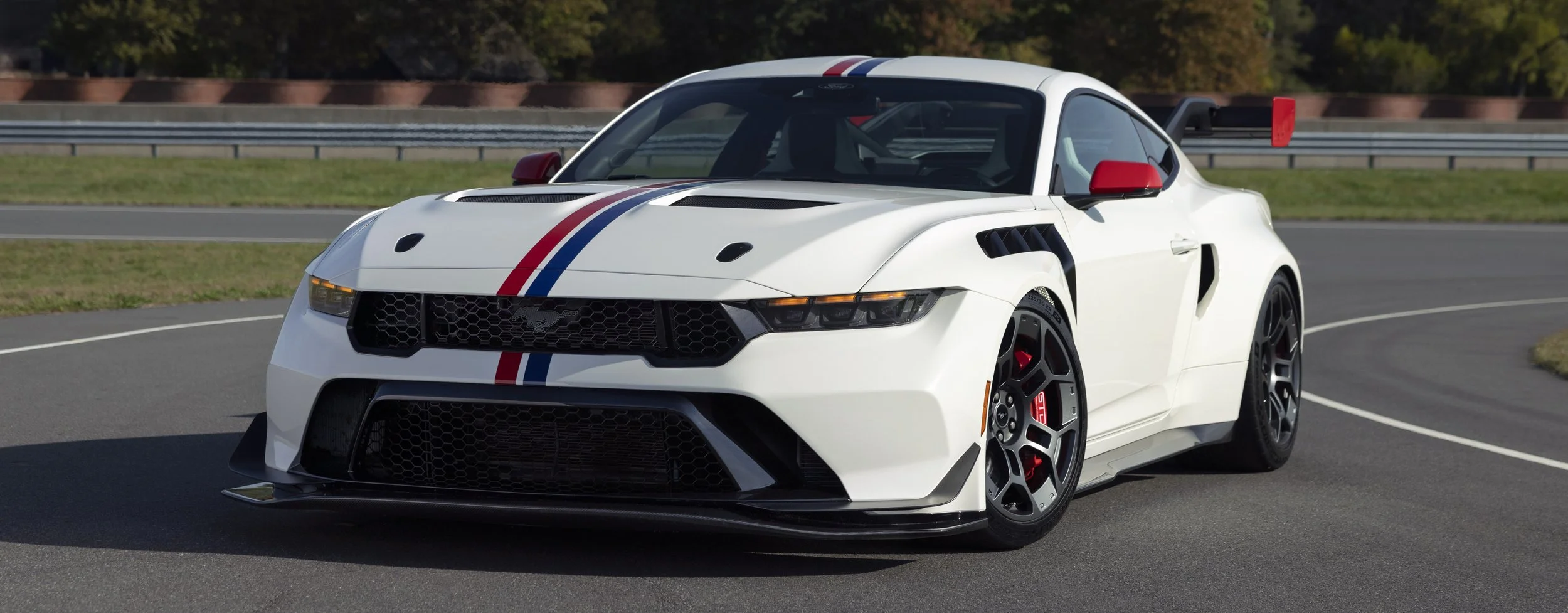
Since the first widespread use of the term “supercar”, referencing the new mid-engine Lamborghini Miura in 1966, manufacturers have continued to develop exotic high-performance automobiles that deliver extreme speed, striking design, and advanced engineering beyond that of standard sports cars. In recent years, the term “hypercar” has been introduced, creating an even higher tier of automotive design and performance.
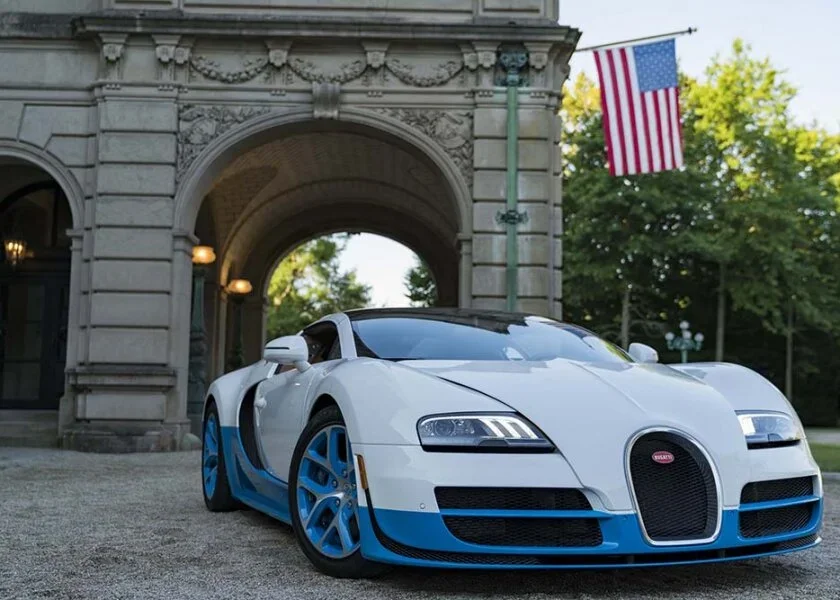
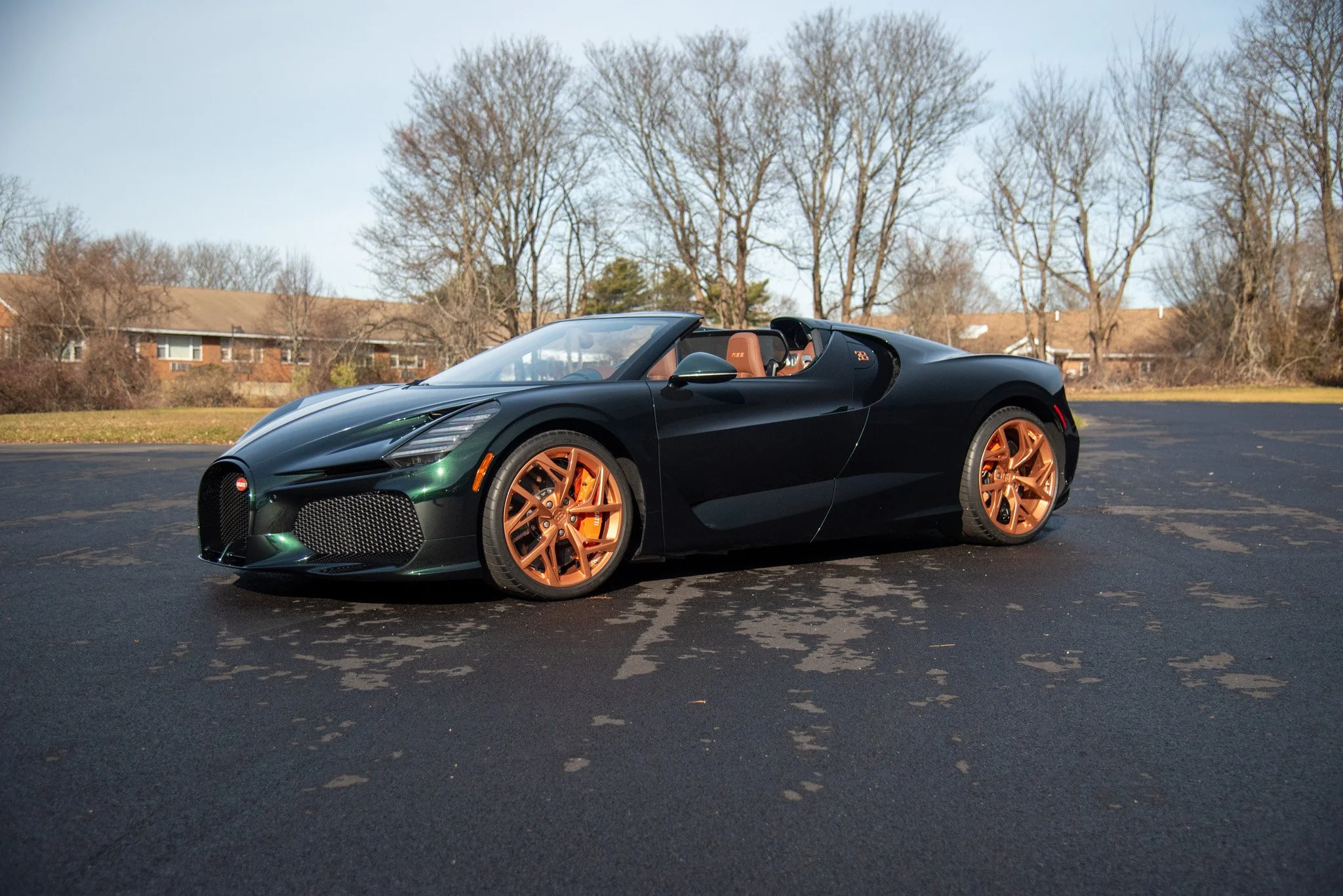
While supercars are often expensive, sought-after, high-performance vehicles, hypercars are often characterized as such by unique technology integrations and higher performance outputs. The Bugatti Veyron was the world’s first production hypercar; 1000 horsepower from a quad turbocharged sixteen-cylinder engine, a million-dollar price tag, and a top speed of over 250 MPH. These figures previously unseen, putting the Veyron in a class of its own.
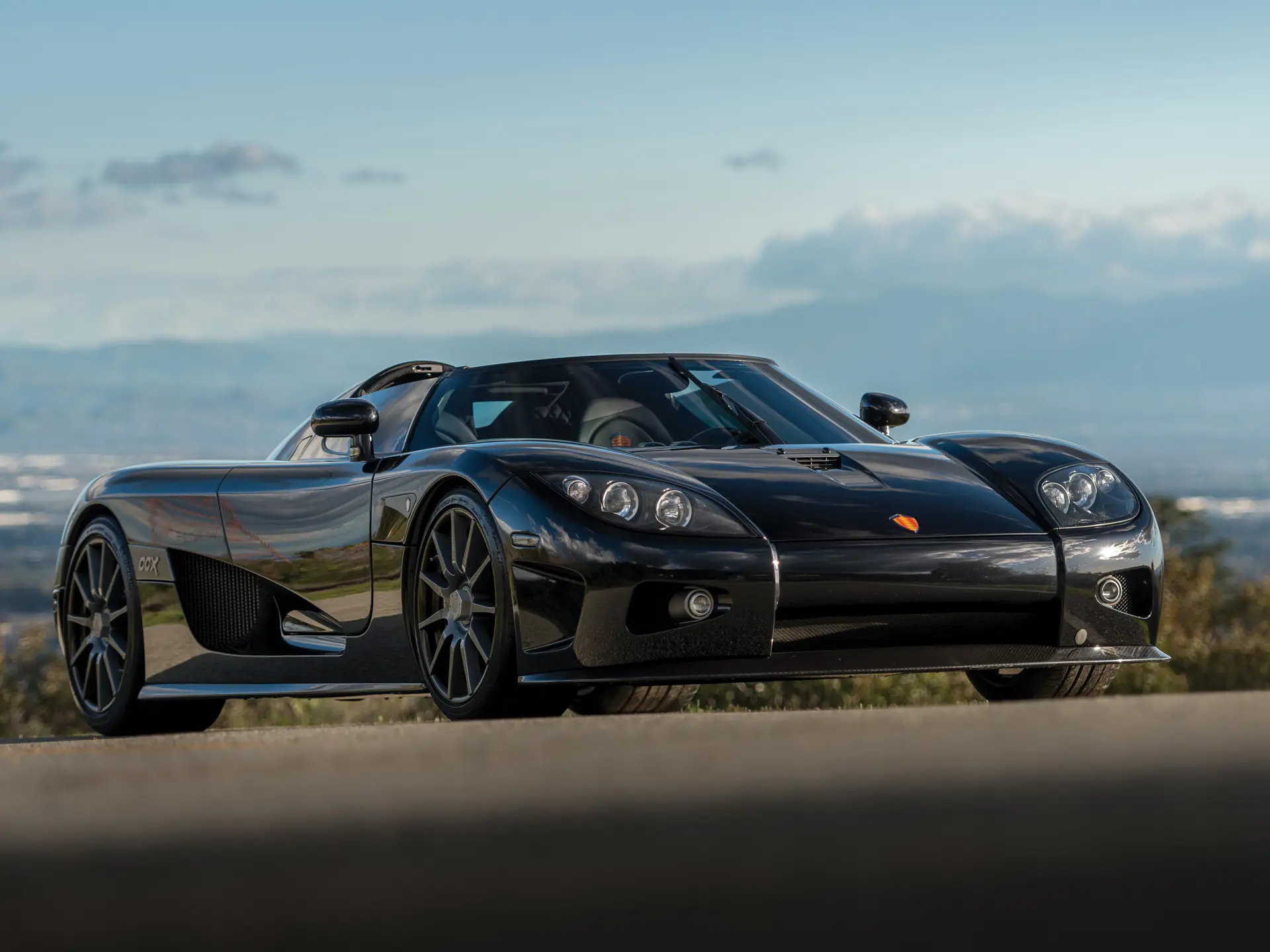
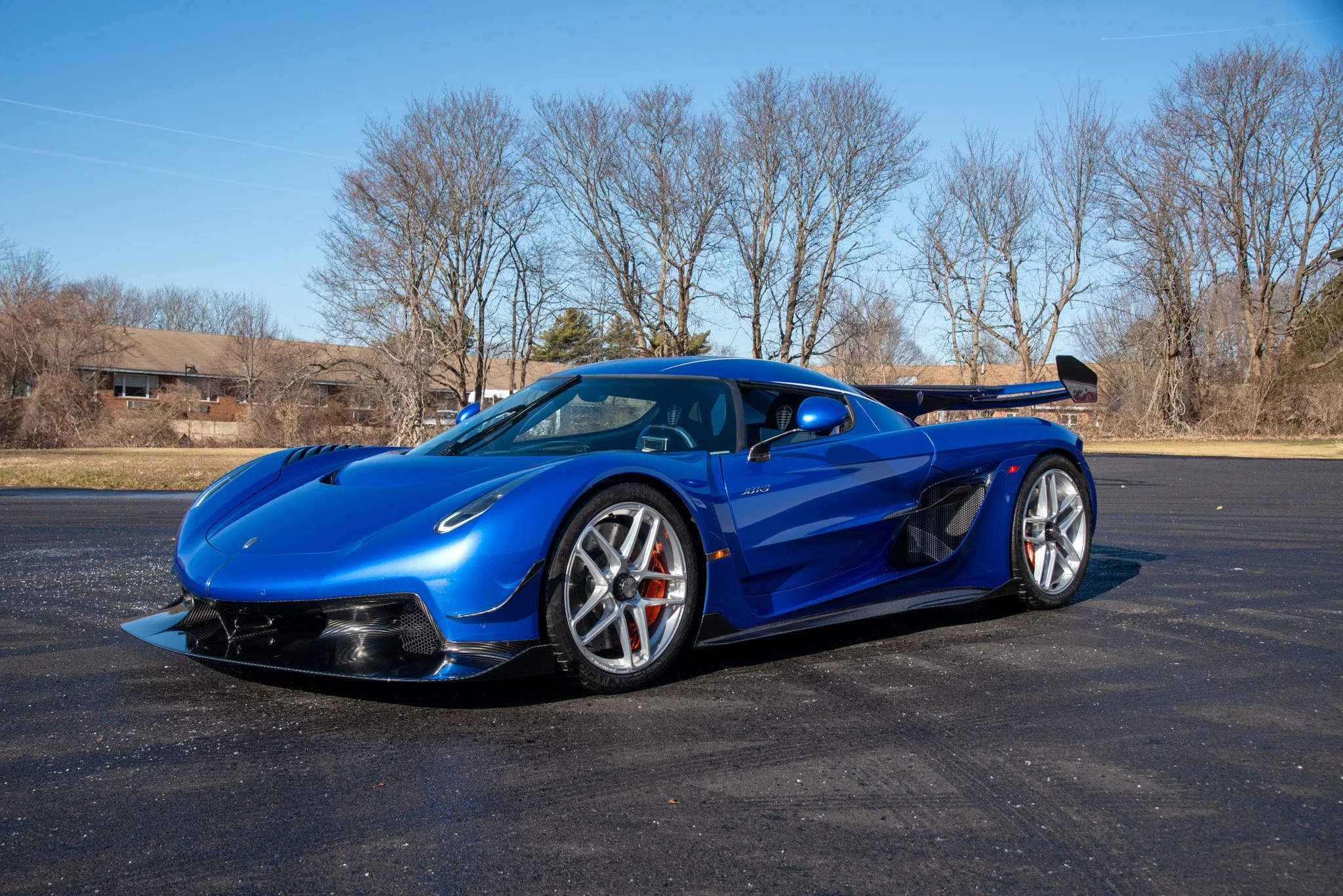
The hypercar market has continued to grow since 2006, with companies like Bugatti and Koenigsegg leading the space. Hypercar performance has continued to grow, with horsepower figures commonly seen above 1500 now. The technologies seen in these cars continue to become more advanced, like the lightspeed transmission in the Koenigsegg Jesko. The nine-speed transmission has no clutch or flywheel, saving significant rotational mass and allowing the engine to rev more easily. Its unique technology like this that you won’t see in typical supercar.
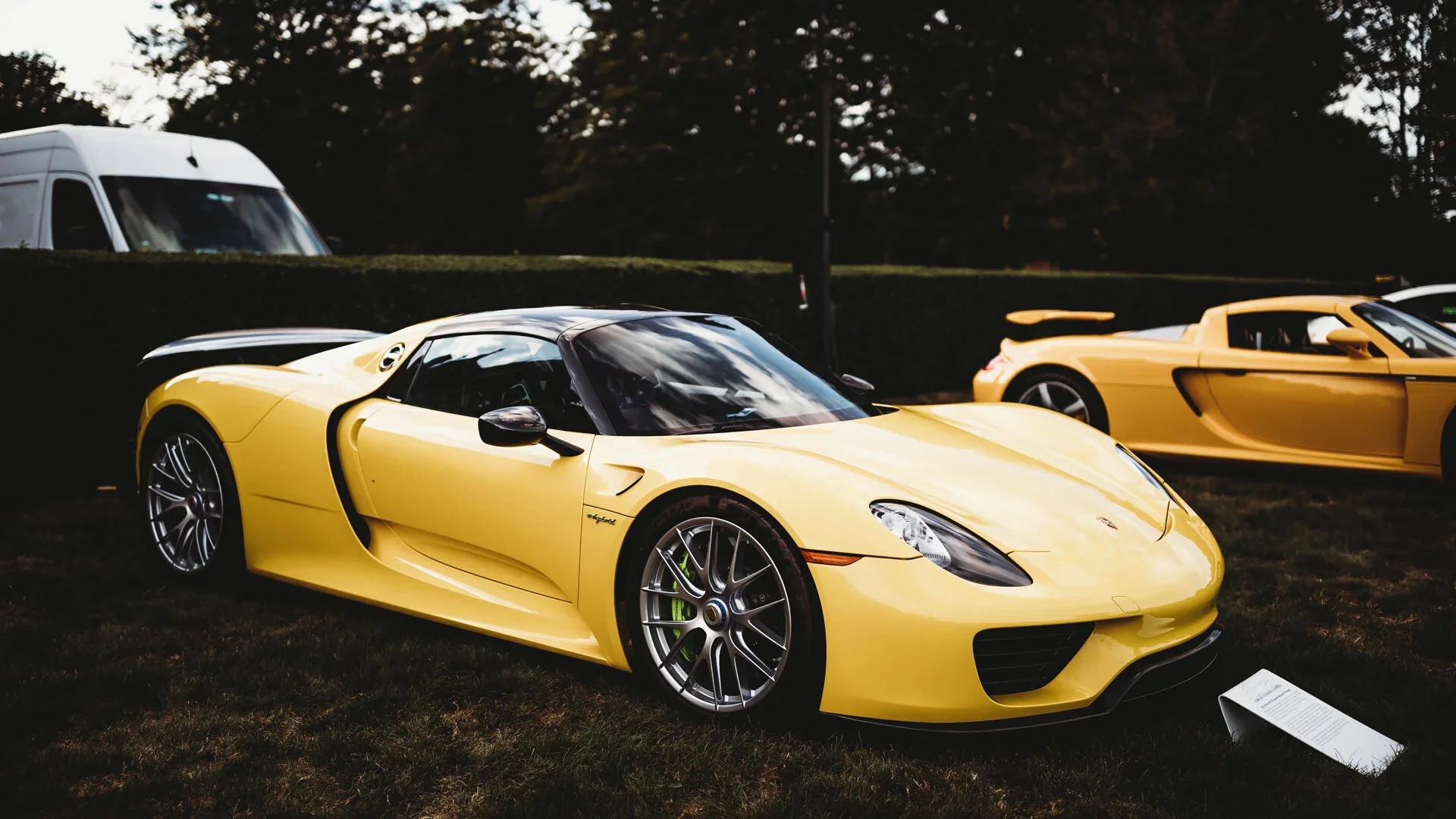
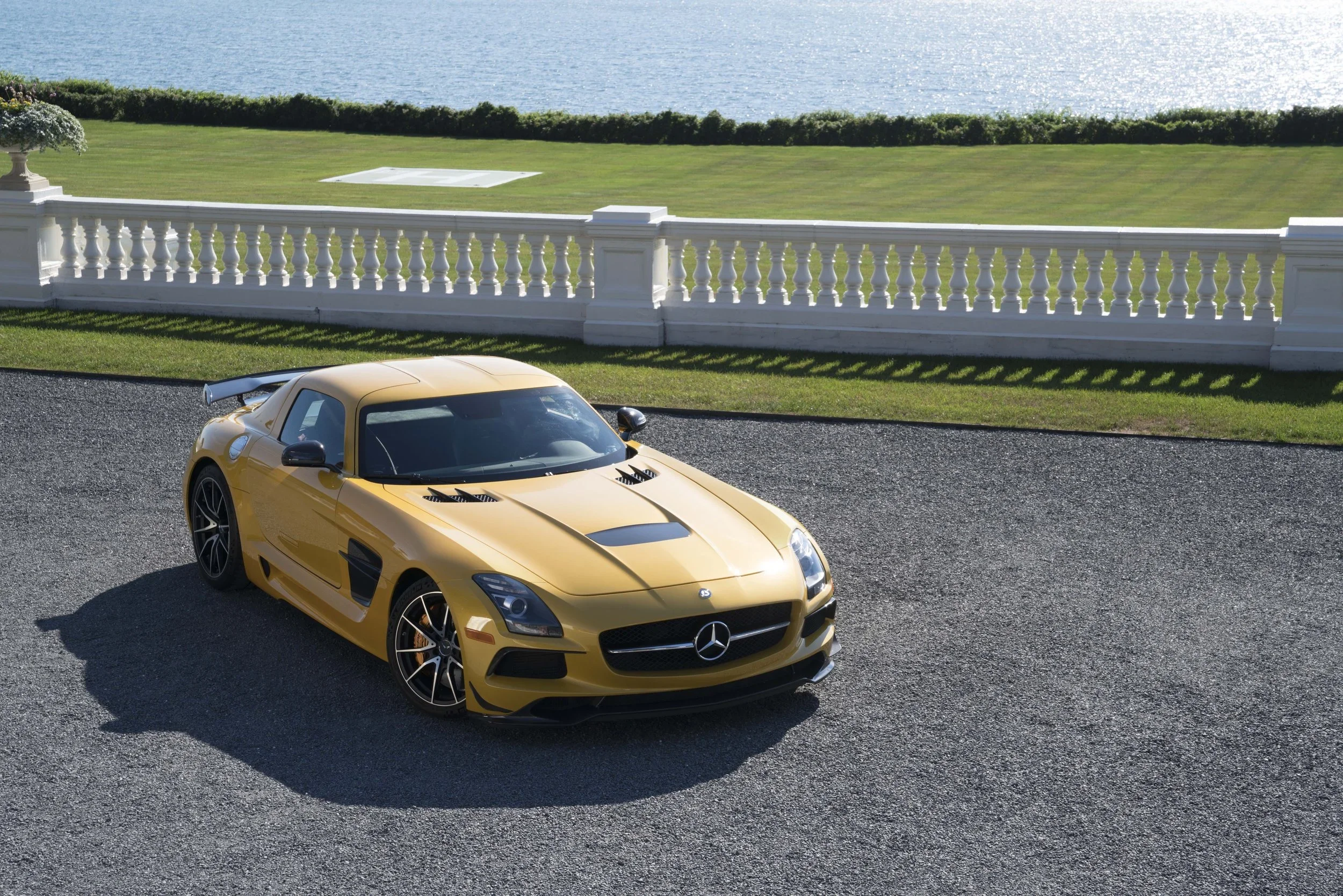
In essence, while supercars are exceptionally fast and exclusive, hypercars are ultra-rare, technologically groundbreaking machines designed to redefine what is possible in road-going automobiles. We have gathered a number of our favorite super and hypercars for you to compare here with your own eyes. Which one are you taking for a drive?