

2000 Lamborghini Diablo GTR
Generously Lent by Kaplan Motor Group
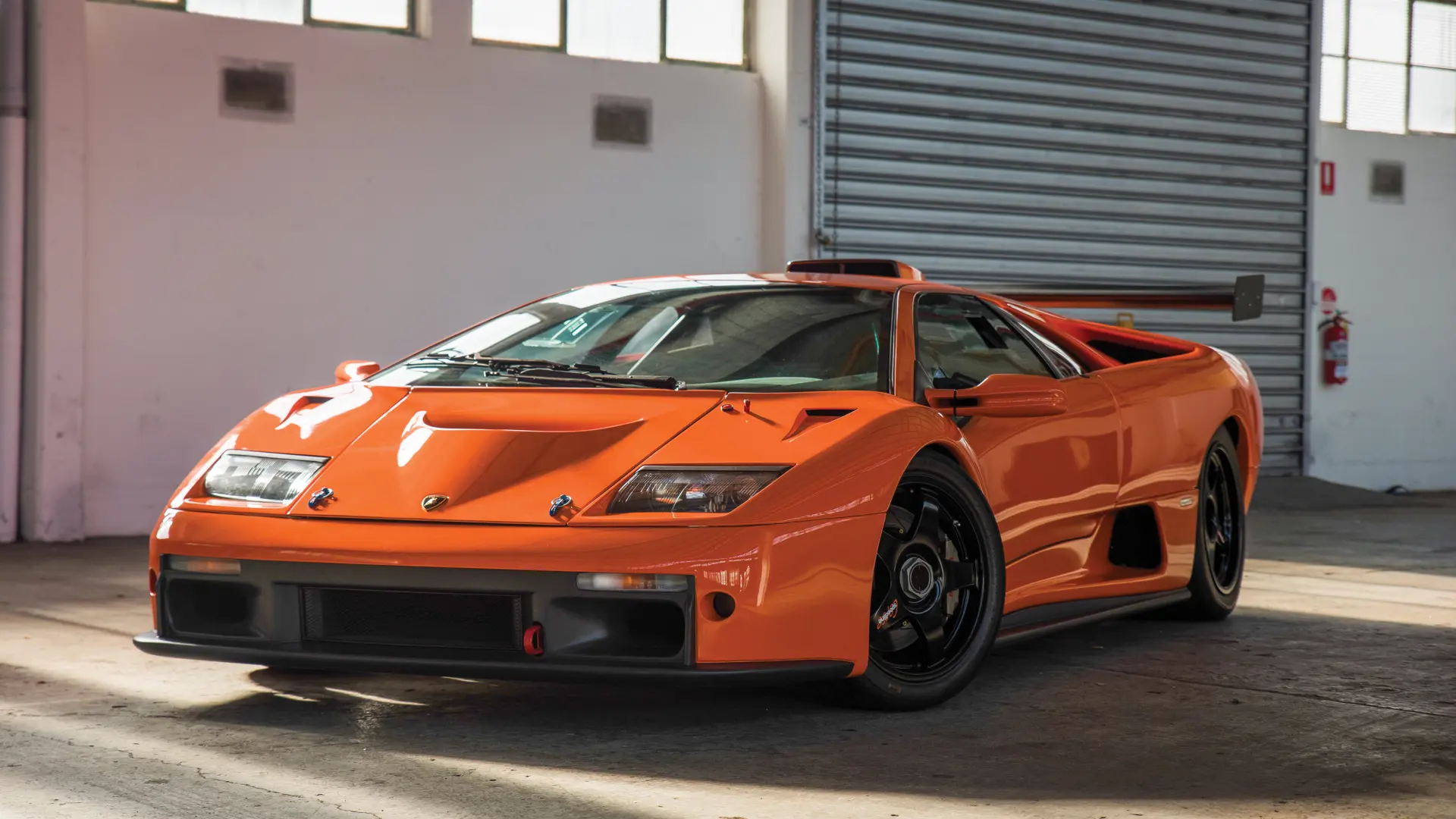
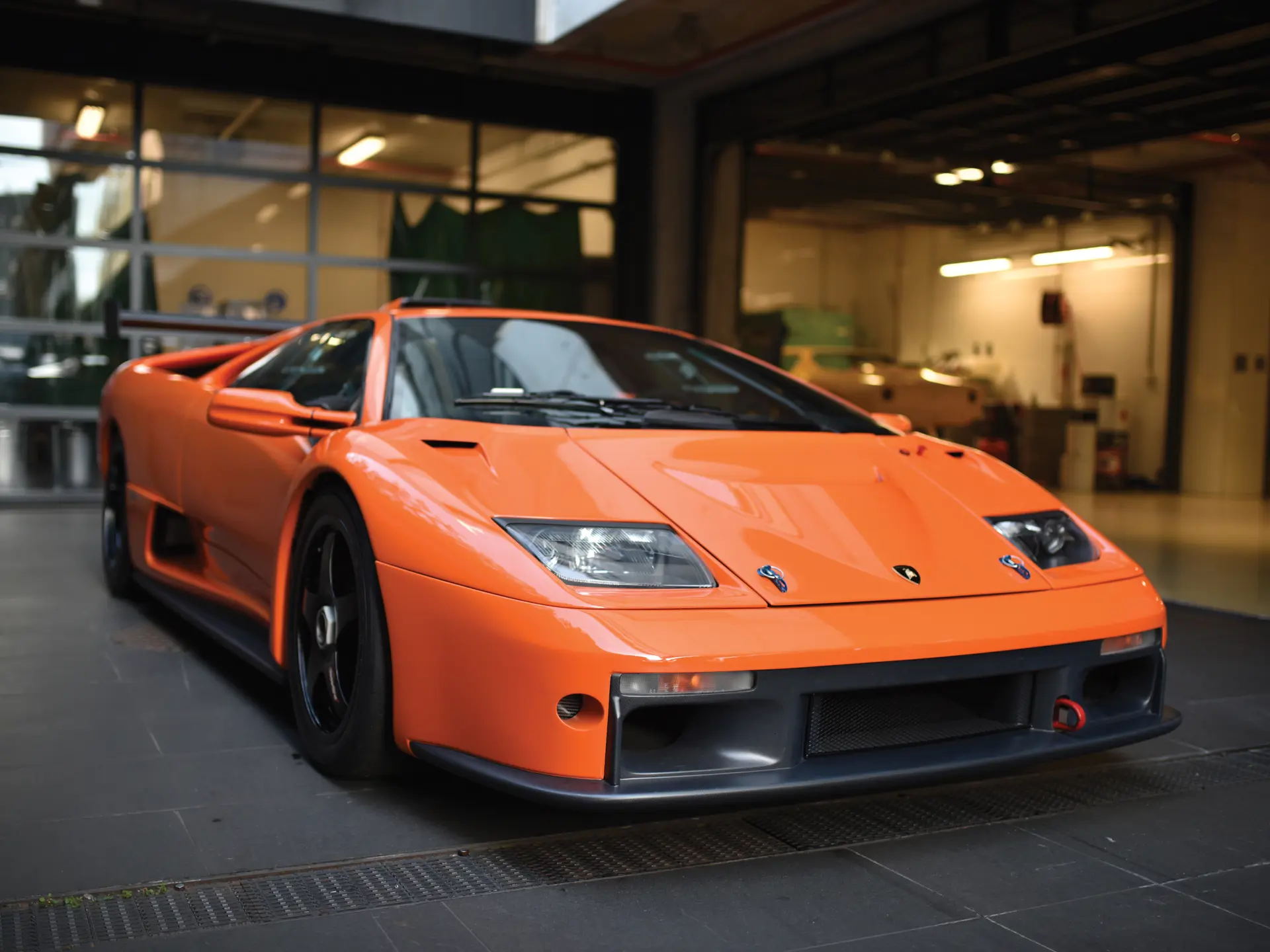
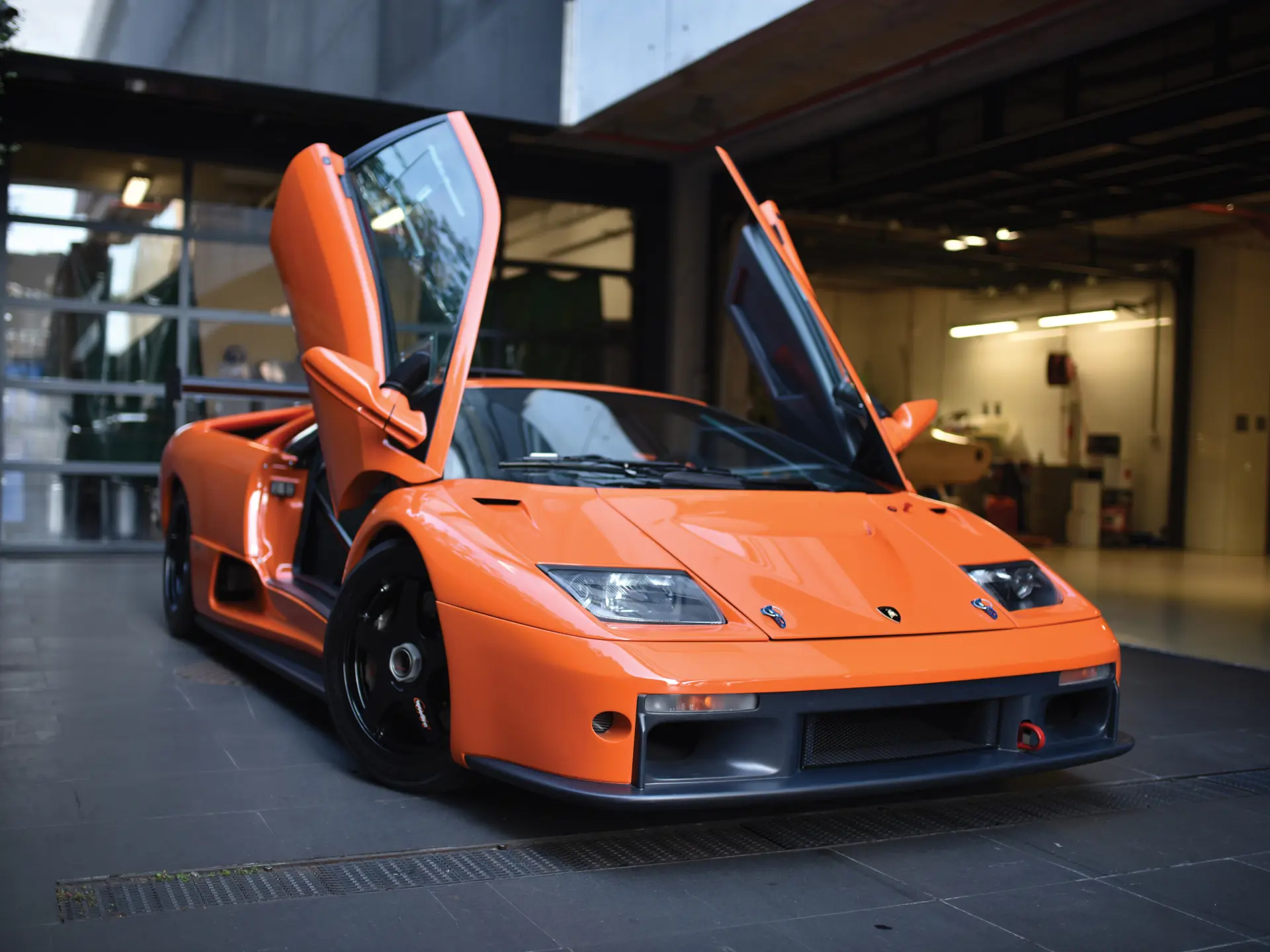
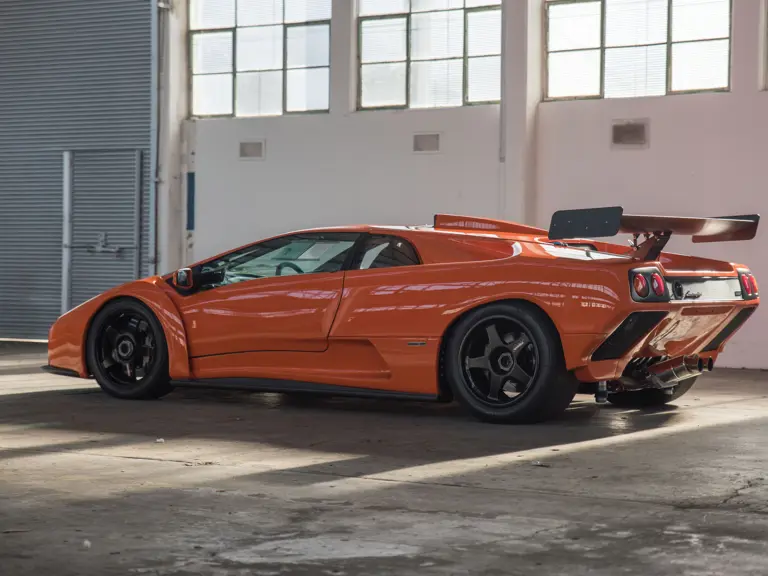
Photos courtesy of RM Sotheby’s
· Purpose built Track and Race model Diablos based on the SV-R and GT
· Light weight carbon fiber body with integrated roll cage
· 590 hp V-12 mid mounted engine with 13,814 km (8584 mi) on the odometer
· One of just 30 built by Lamborghini
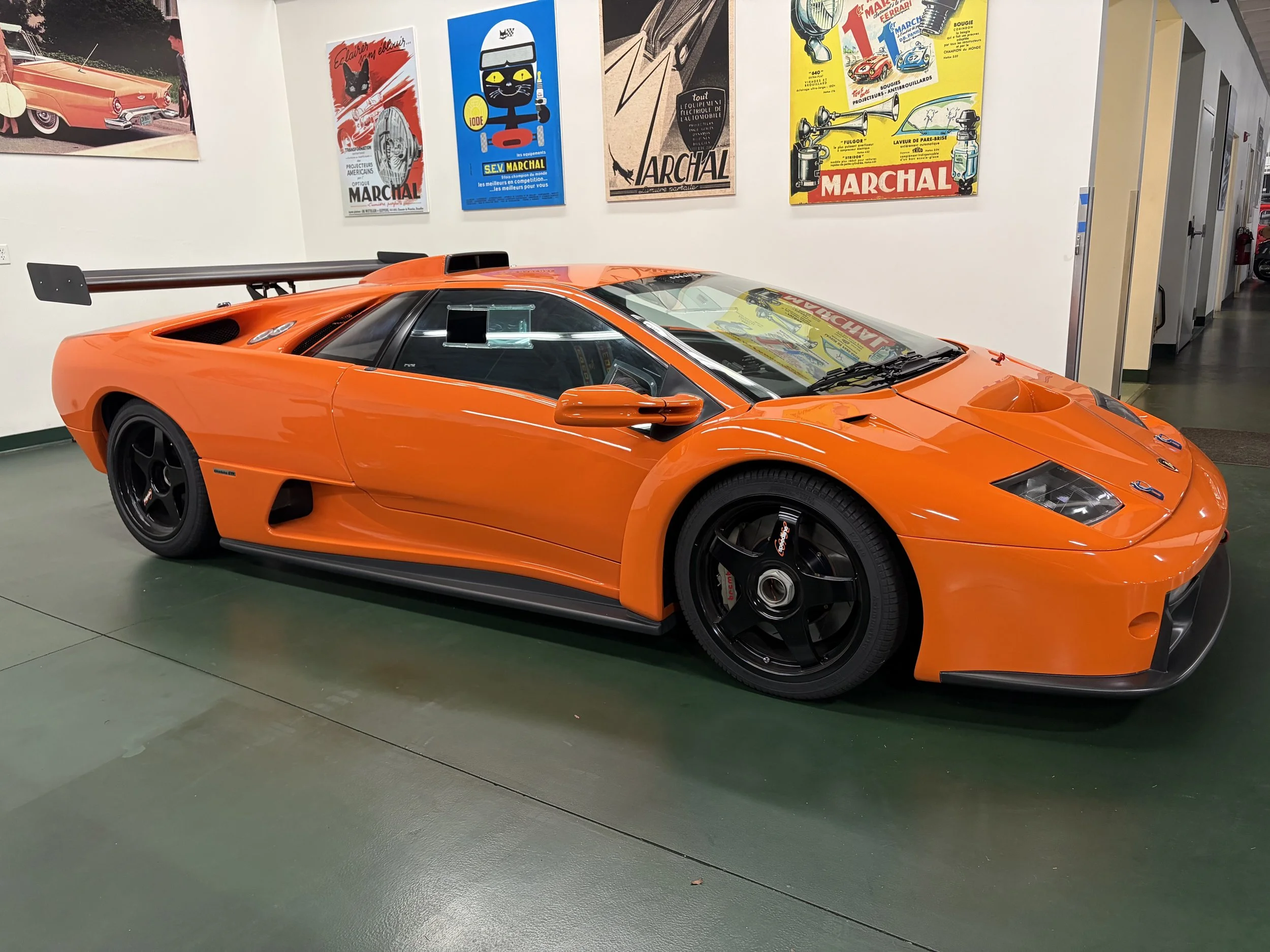
The GTR shown here has an impressive pedigree and was never designed to be used on the street, having been based on the Super Trofeo, GT series vehicles. The Lamborghini Diablo GTR was the final iteration of the Diablo, closing out an 8-year production run. Design for the Diablo began in 1985 before being released to the public in 1993 and evolved through several different model iterations before the GTR in 2001. The Diablo was a major step up from the previous Countach, it handled better with adjustable shocks or sway bars on most models, all-wheel drive was offered for the first time on VT models, and they were much faster too. Everything that made the Diablo better was stripped away on the GTR model in favor of weight savings.
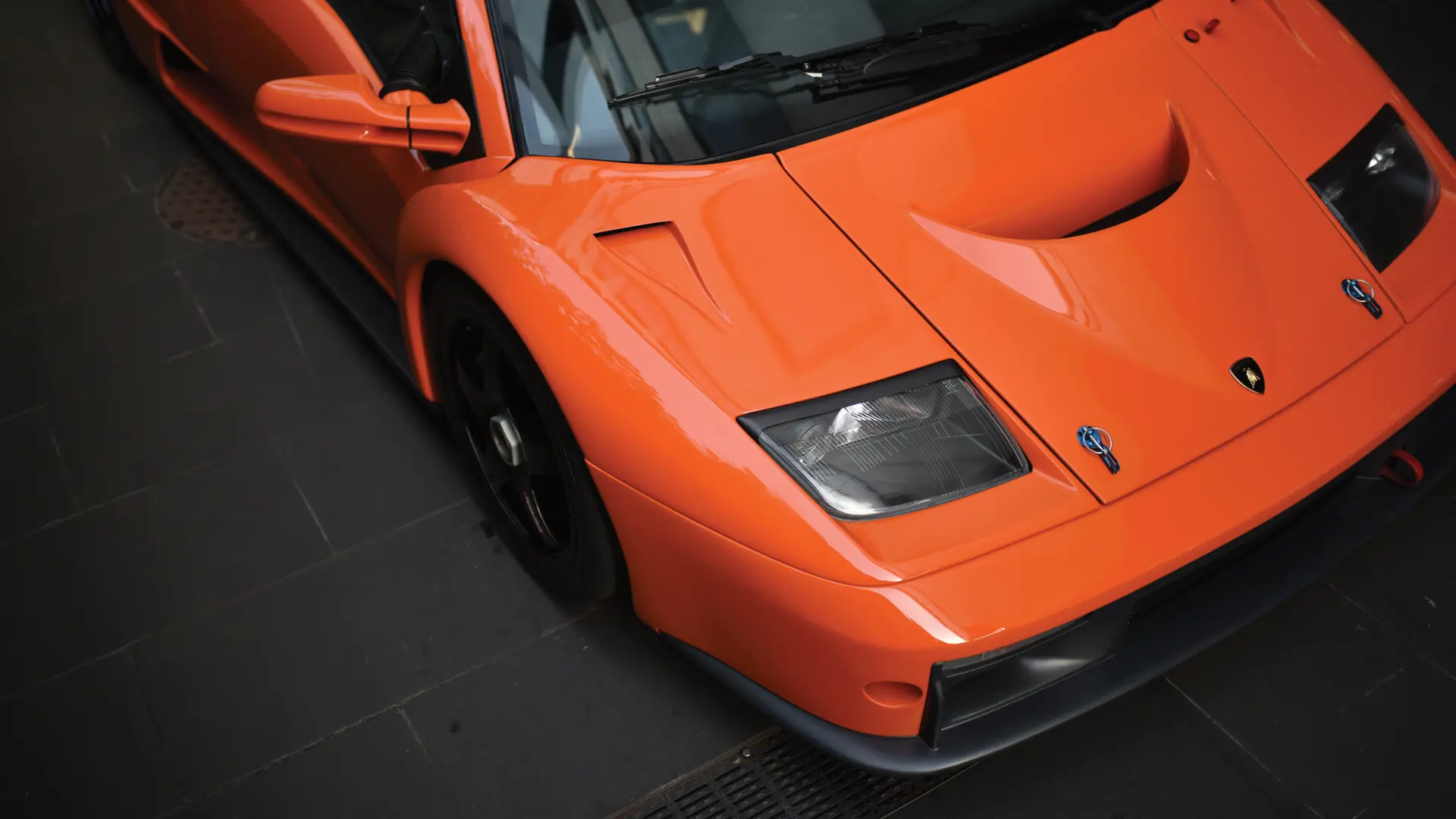
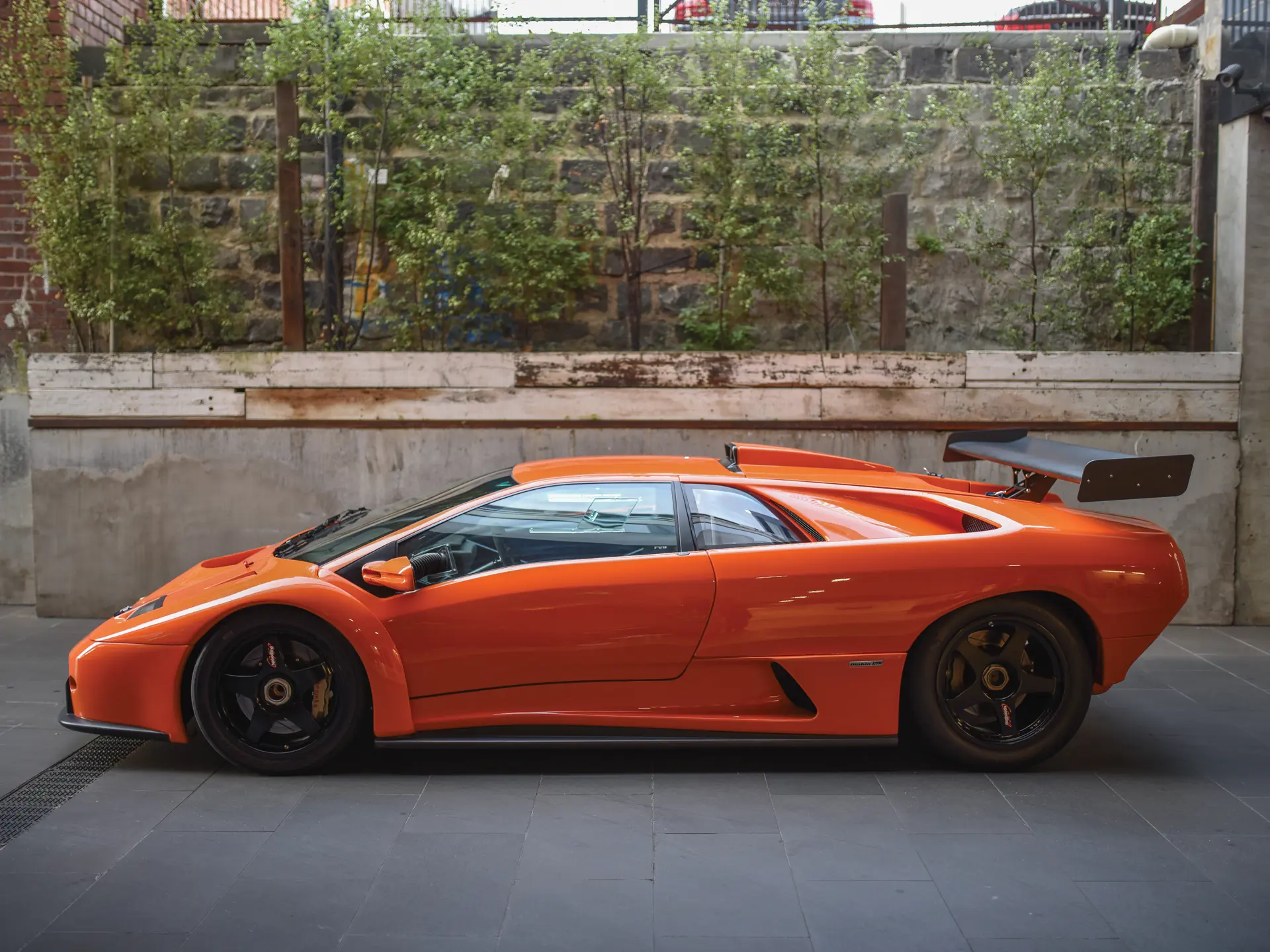
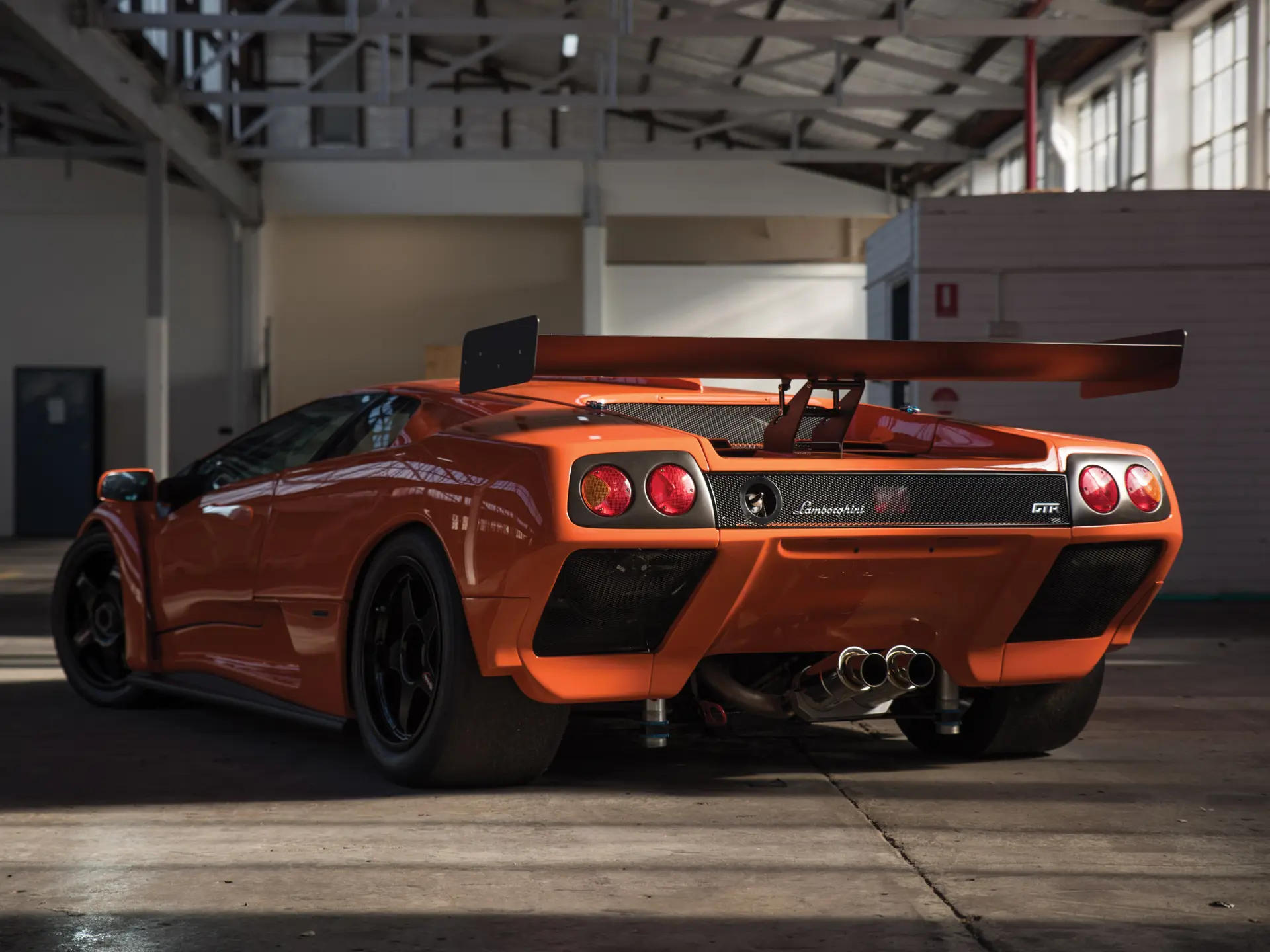
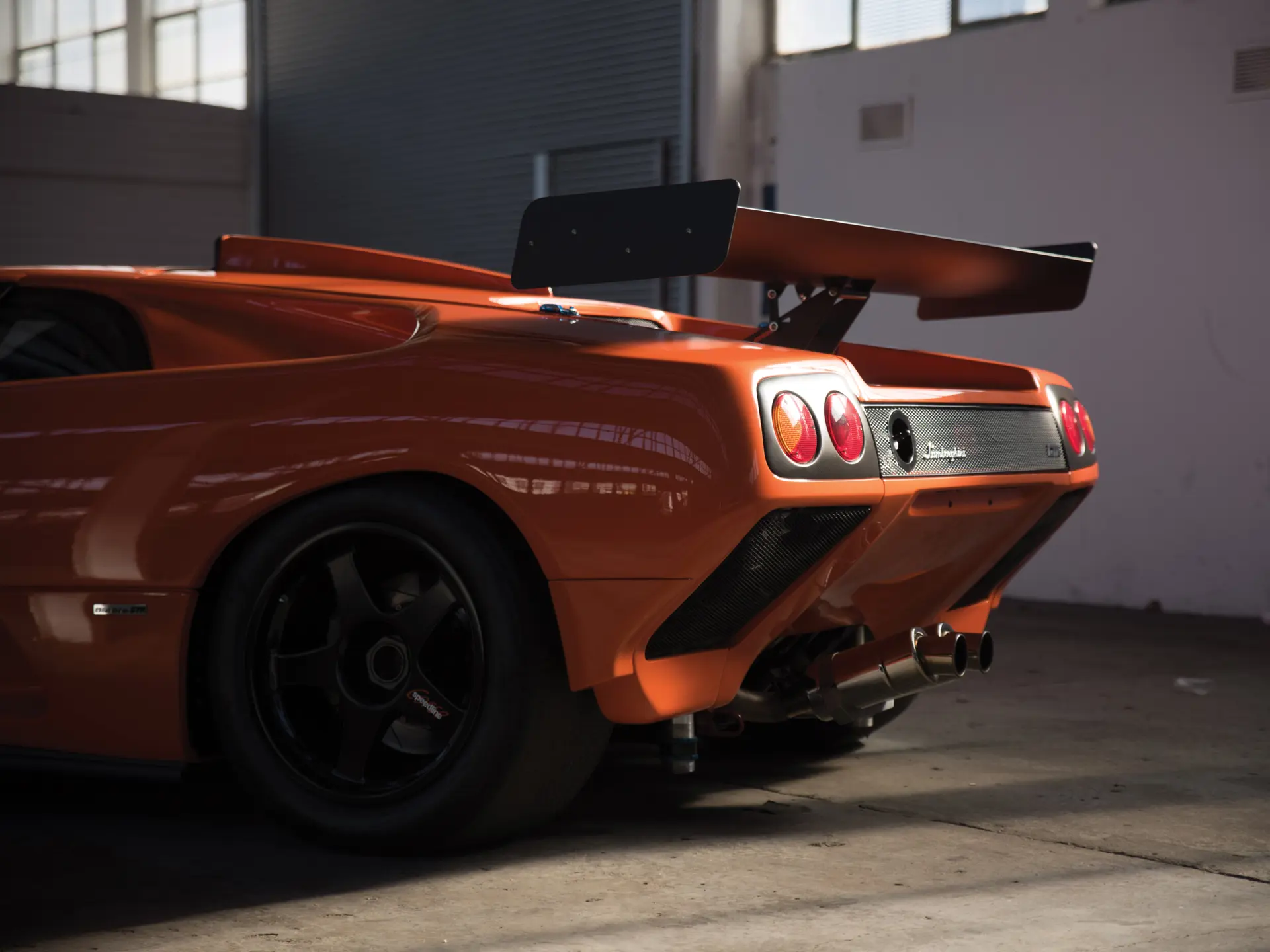
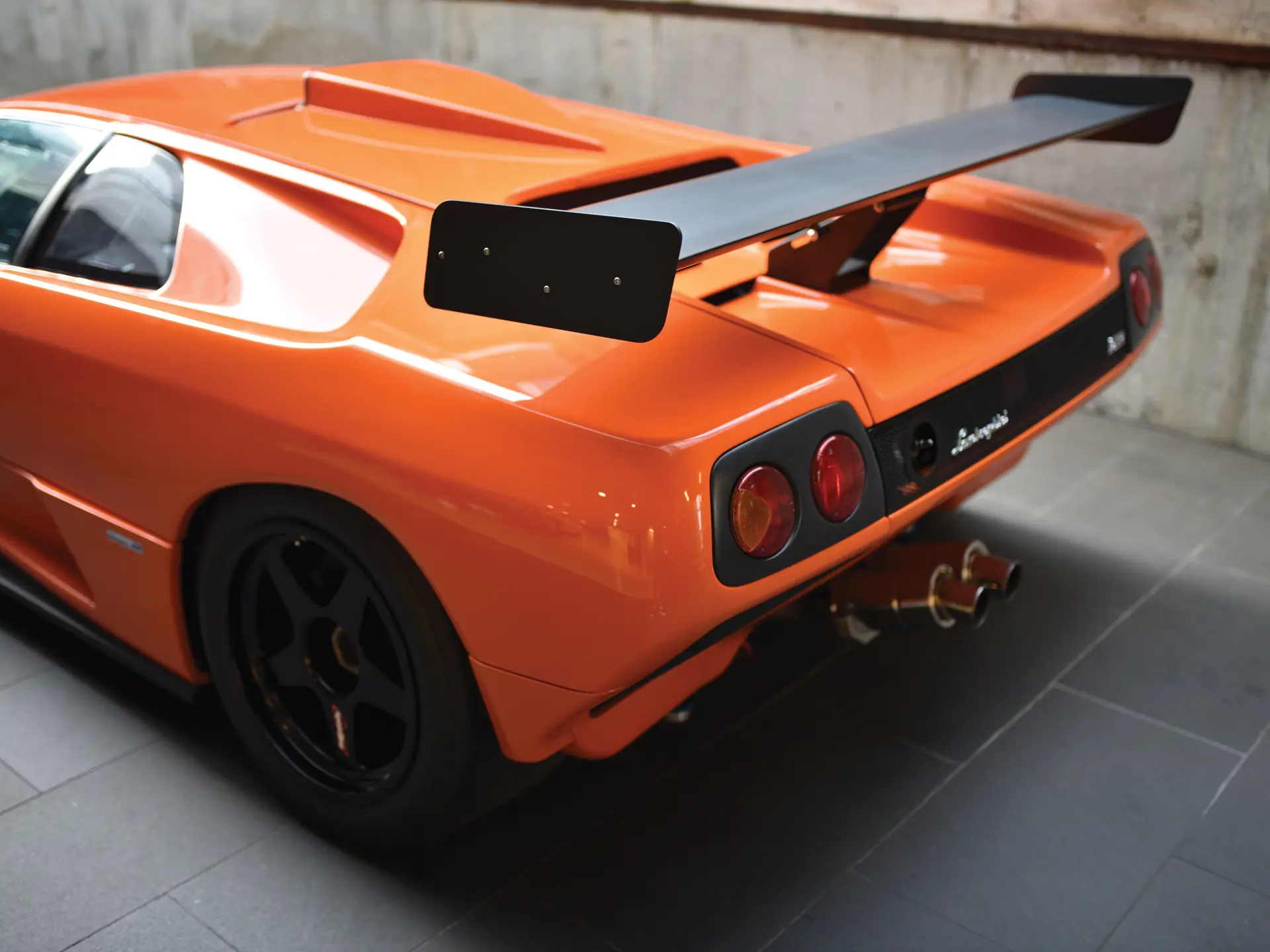
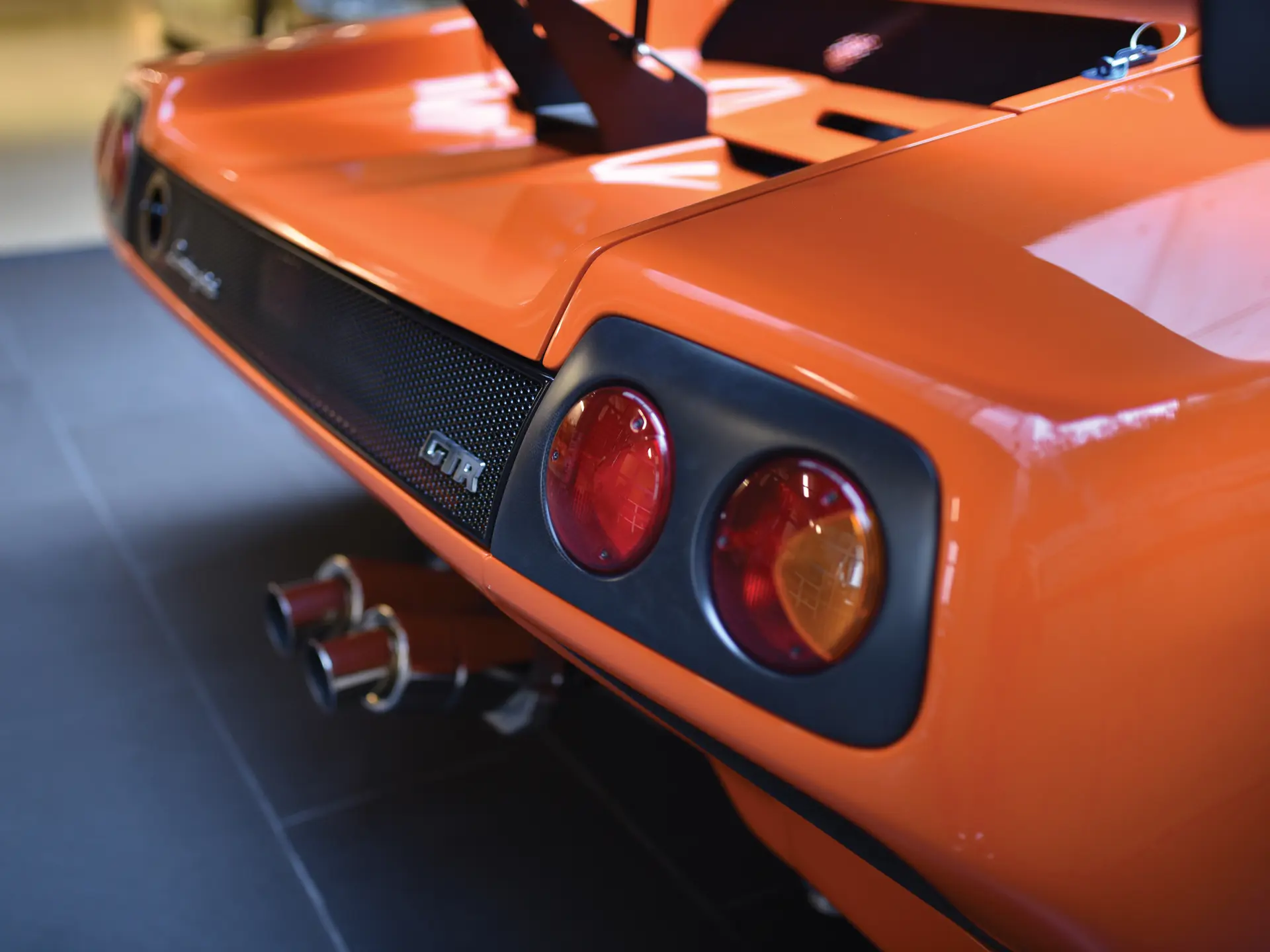
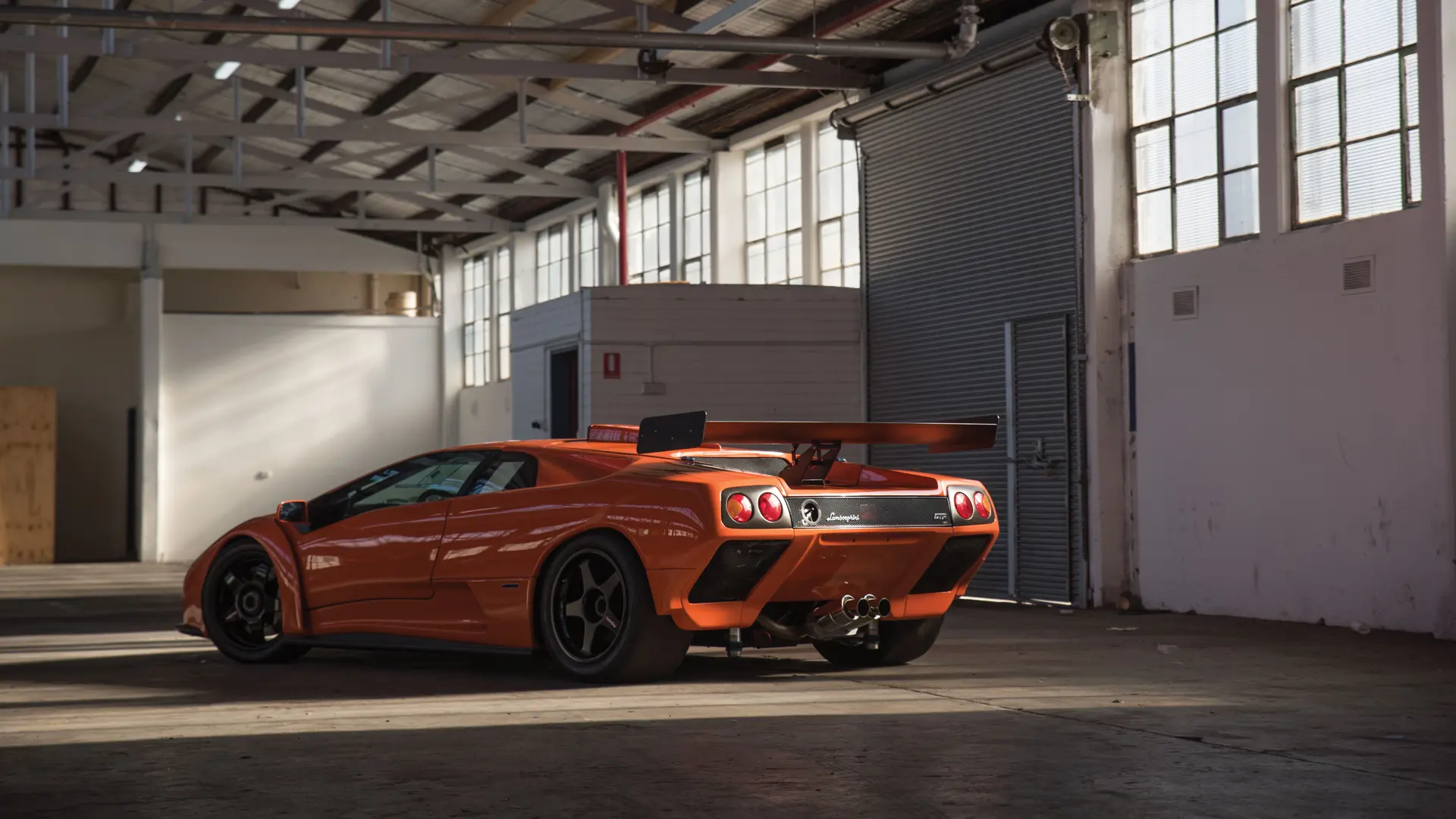
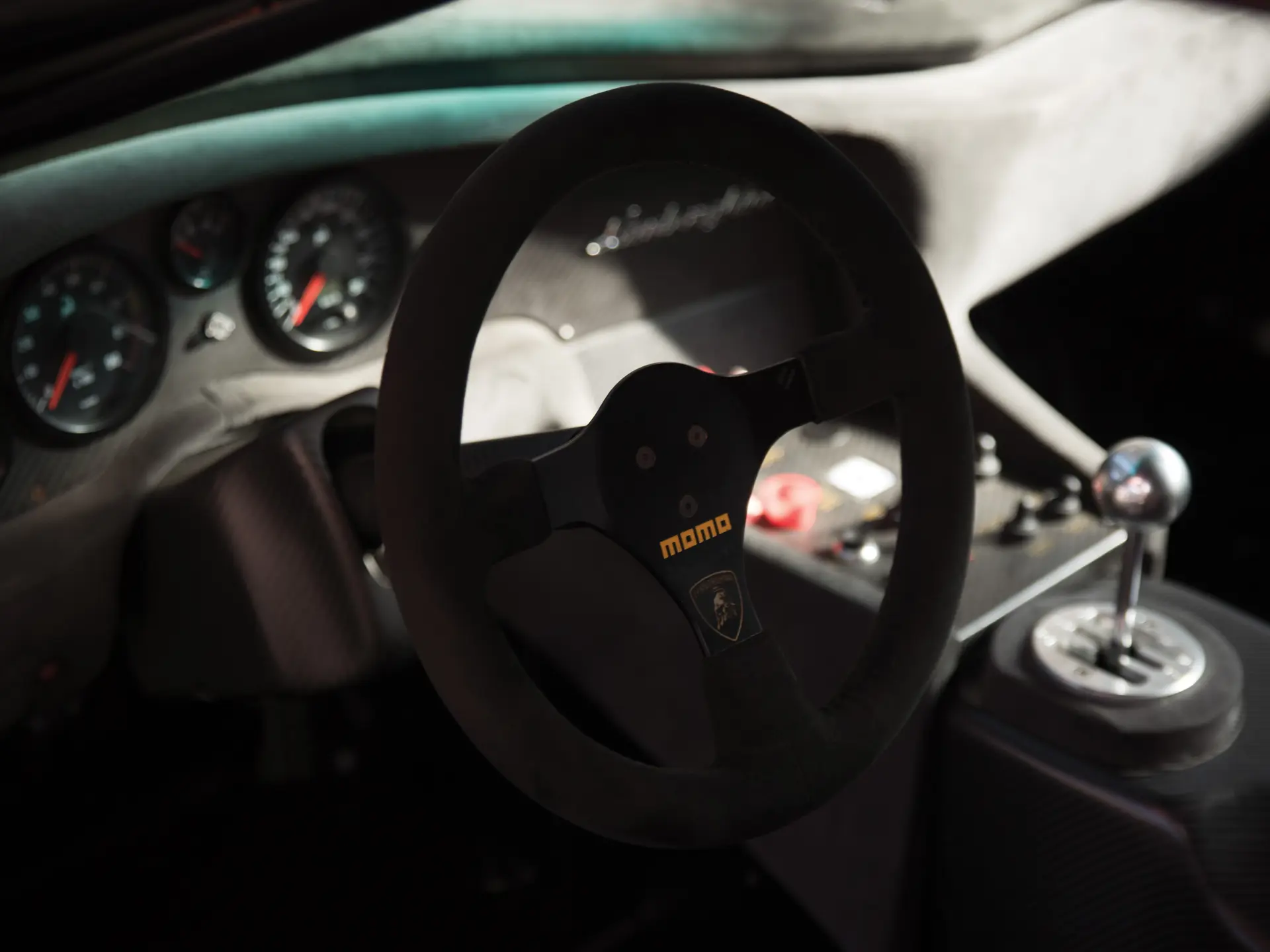
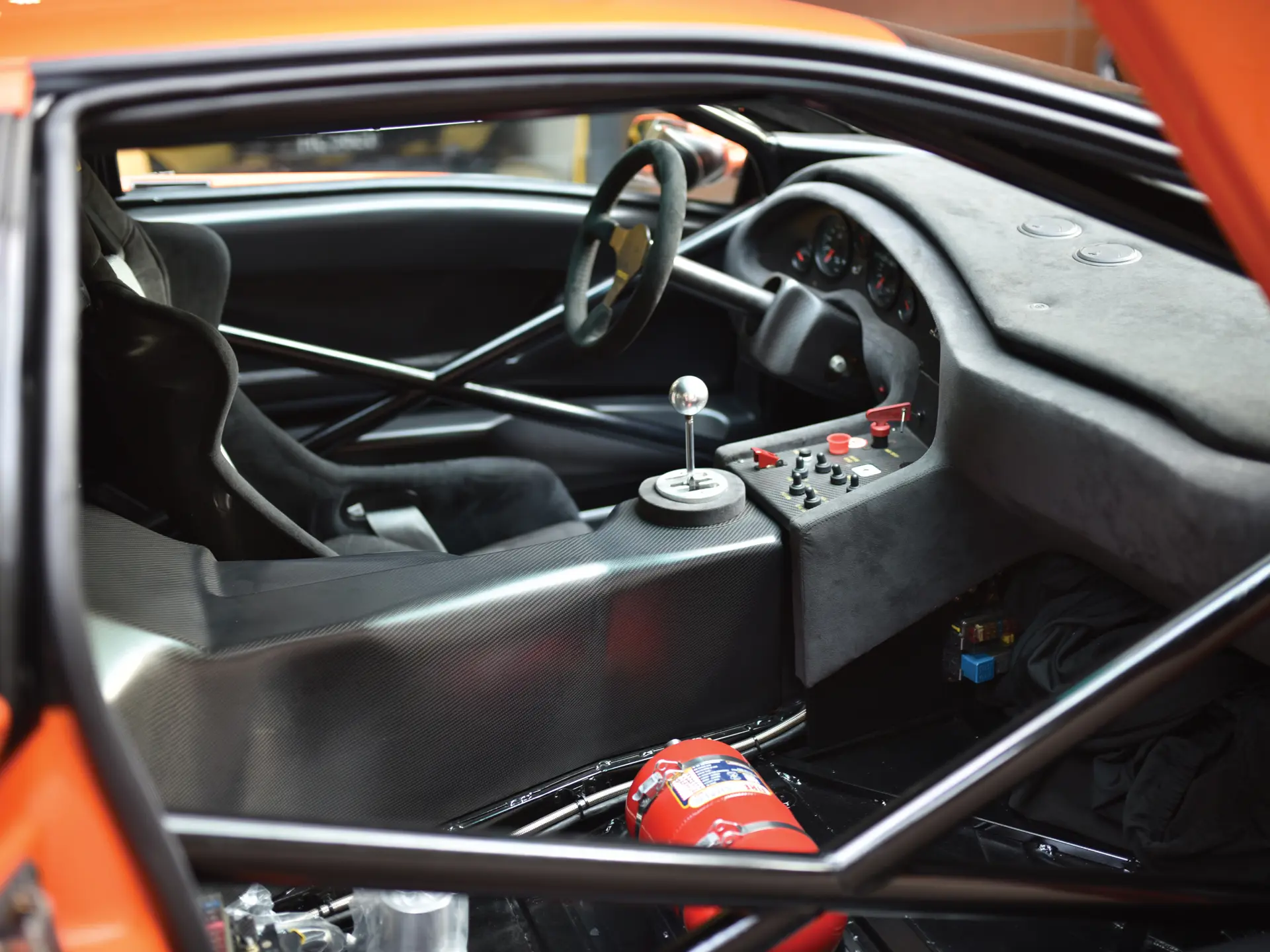
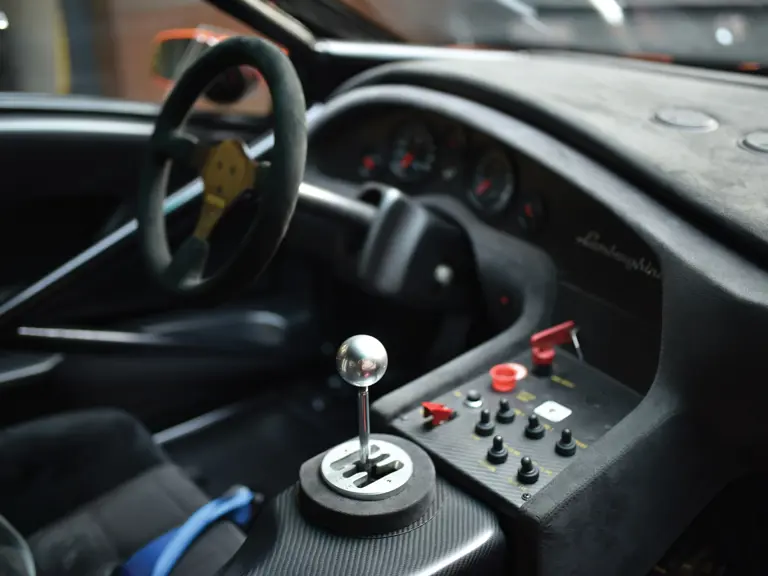
Following the lead of the Diablo SV-R competition car, the GTR was announced for a new single-make series. Just 30 numbered GTR’s were built, but another 10 were completed plus another 40 chassis in case of damage. The GTR is a race ready car that was not built to be driven on the street, and all of the creature comforts you would find in a Diablo street car have been subbed out for racing equipment. The car came equipped from the factory as you see it here on display: a single fixed racing bucket seat with a harness, fire suppression system, full roll cage, along with plastic windows. Every panel except the doors and roof are made from carbon fiber, significantly saving weight. Air conditioning and the radio have been deleted, leaving the driver with two channeled air vents. Also included are pneumatic air jacks to lift the vehicle in the pits, 18-inch hollow spoke magnesium Speedline wheels, titanium connecting rods, and a lightened crankshaft.
Numerous special versions of the Diablo defined its evolution and the GTR offered the best option to utilize the power and handling of the Diablo on the racetrack.
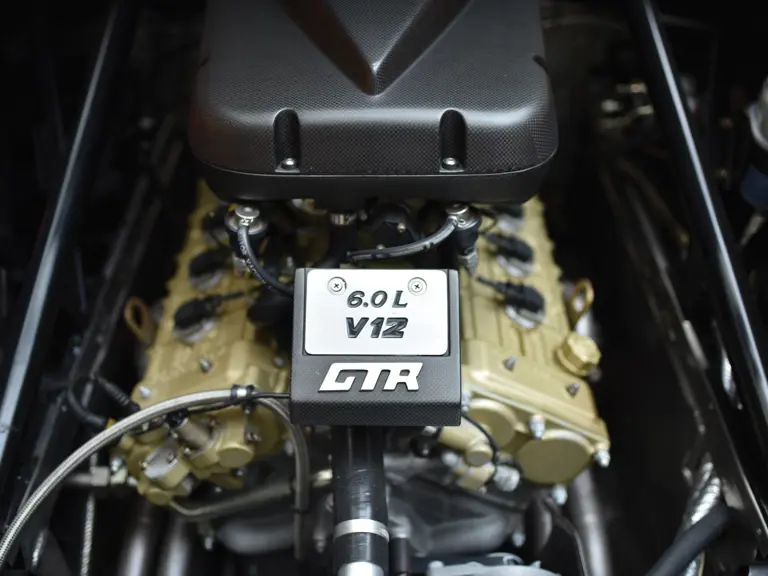
The interior was stripped to bare essentials, a solo race seat with 6-point harness fitted, and weight saved by using plexiglass for windscreen and windows. All body panels with the exception of the roof and doors were crafted from carbon fiber. A huge rear wing mounts to the frame to provide more downforce. The 6-liter 4 valve per cylinder V-12 engine churned out an impressive 582 horsepower with 472 lbs of torque. Titanium connecting rods, lightened crankshaft, variable valve timing, revised ignition system and dynamic air intake ducts were unique to the GTR to improve racing performance and reliability. Top speed can reach 210 mph.
With initial styling by Marco Gandini and later models being influenced by Tom Gale at the Chrysler Design Center, the Diablo retained the basic mid-engine V-12 configuration of its predecessor. While we haven’t had the opportunity to drive this car properly on the track, we can tell you it is far from comfortable driving on the road. With essentially nothing left of the interior and no sound deadening or heat proofing, the V12 seems to encroach into your brain. Even at idle the car is extremely loud and reverberant. None of this means the experience isn’t fun though. The most interesting aspect of the experience is the fact that in such a seriously built race car, you’re still piloting the vehicle with a gated five-speed manual transmission. Once underway, the power and torque are immediately noticeable, until you accelerate, then all you can think about is the noise. The car is ear piercingly loud under load and tends to shoot flames between shifts. This is the type of drama that only makes us love the experience of driving Lamborghini’s even more.
The Diablo GTR shown here is just one of 30 chassis built for competition, originally sold to the Stephane Ratel Organization, but later raced by a group called Autovitesse at which time its color changed to Silver. In 2012-13 the car was repainted to its original orange color and underwent an extensive restoration. This wonderful super car with only 13,814 km (8584 mi) on the odometer, is on loan to the Audrain Museum by Sheree Kaplan-Allen. Jake Kaplan, Sheree’s late father, was the East Coast importer and distributor for early Lamborghini automobiles, in Providence, RI.
Specifications:
Engine: 6.0 Liter V12
Horsepower: 582 @ 7300 rpm
Torque: 472 ft lbs @ 5500 rpm
Transmission: Gated 5-Speed manual
Chassis: Steel tube and panel, integrated roll cage, 18” Speedline Center lock wheels, Frame mounted Rear Wing, pneumatic air jacks to lift car at pit stops
Top Speed: 210 mph
0-60 MPH: 3.5 seconds
Weight: 3086 lbs