1922 Bentley 3-Liter Short Chassis Tourer
Photos Courtesy of Bonhams Cars
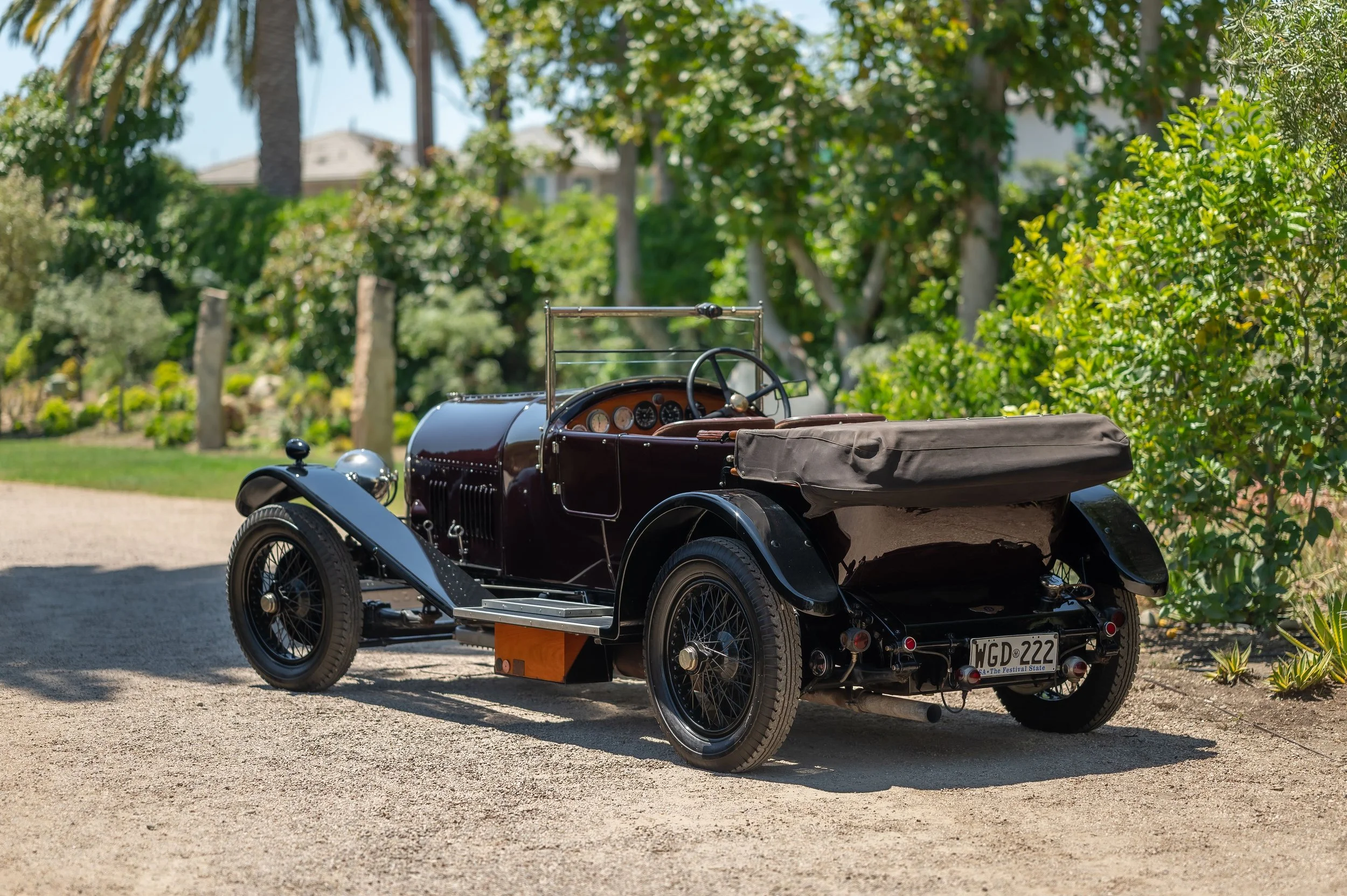
· Sporting short chassis with its original bodywork
· Uprated to 'Speed' model specifications
· Ran on The Ice on the lake at Saint Moritz, Switzerland on studded tires in 2024
"For the man who wants a true sporting type of light-bodied car for use on a Continental tour – where speed limits are not meant to be observed – the 3 Litre Bentley is undoubtedly the car par excellence." S.C.H. "Sammy" Davis, The Autocar, 1920
The 3-litre Bentley, produced from 1921 to 1929, was the very first model for Bentley Motors, designed by Walter Owen Bentley to be a fast, high-performance touring car. It featured an advanced 2,996 cc inline-four engine with 4-valves per cylinder and was famously durable, winning the 24 Hours of Le Mans in 1924 and 1927.
“WO”, as the founder of the Bentley marque was always known, made three prototypes for the 3-litre. The first, EXP1 (EXP-erimental No1) was built in a tiny workshop in New Street Mews off Baker Street in London and the first ever Bentley engine ran in October 1919. The second prototype was built at Bentley’s new London factory in Cricklewood, and it made its debut at the 1919 Olympia Motor Show with a plain 2-seat body built by the coachbuilders JH Easter.
Orders for the car soon arrived and Bentley Motors became famous almost overnight. Bentleys’ fame was enhanced with racing successes on the fast banked circuit at Brooklands, the home of British motor racing, as well as in international races like the TT and at Le Mans. If you were British and an aspiring racing driver, the Bentley was the only car to drive.
While later Bentleys grew into large, powerful cars, it was the original conception of the 3 Litre as a fast and reliable sporting motor car that proved in the end to be most successful. It was the foundation upon which WO Bentley's reputation was built. Over the nine years of 3 Litre production, just over 1,620 were sold. All vintage Bentleys were finished as a bare chassis and engine, with each owner choosing to have coachwork built by a variety of different British coachbuilders. More than half of these cars survived a century later, which is a tribute both to their rugged construction and to the driving experience they provided.
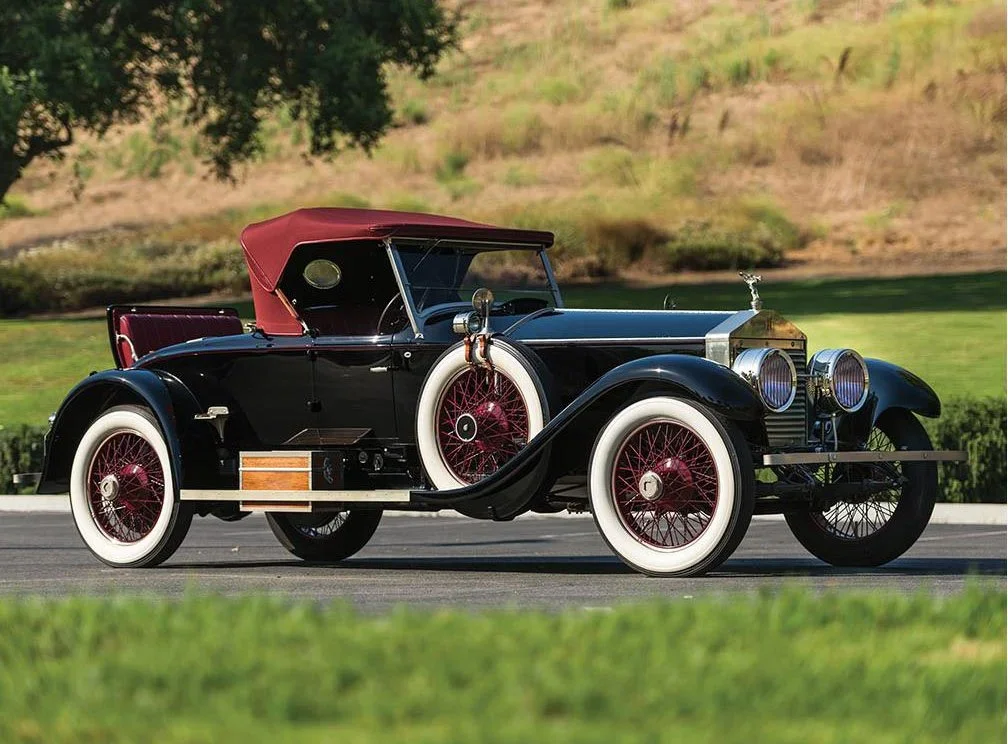
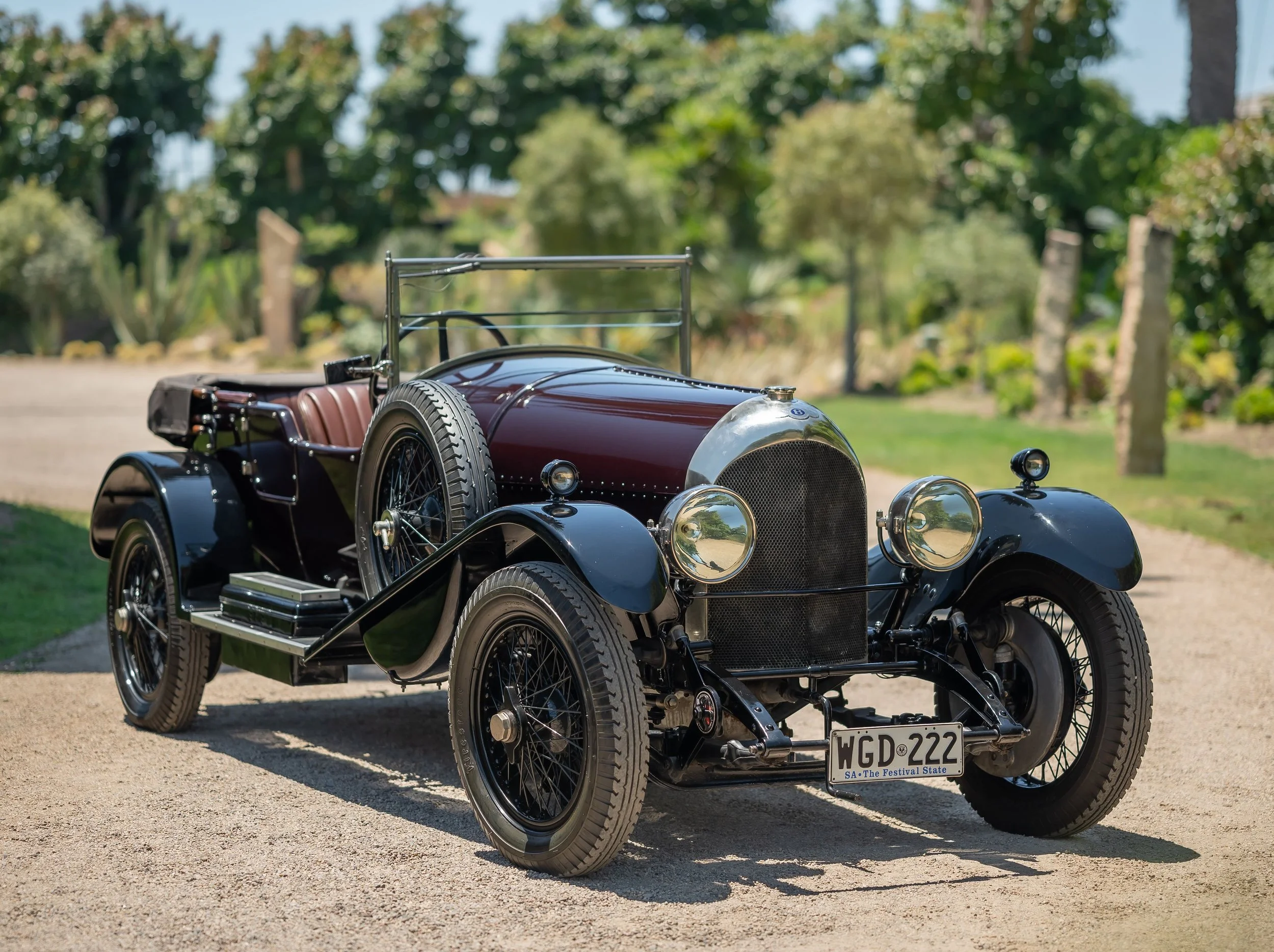
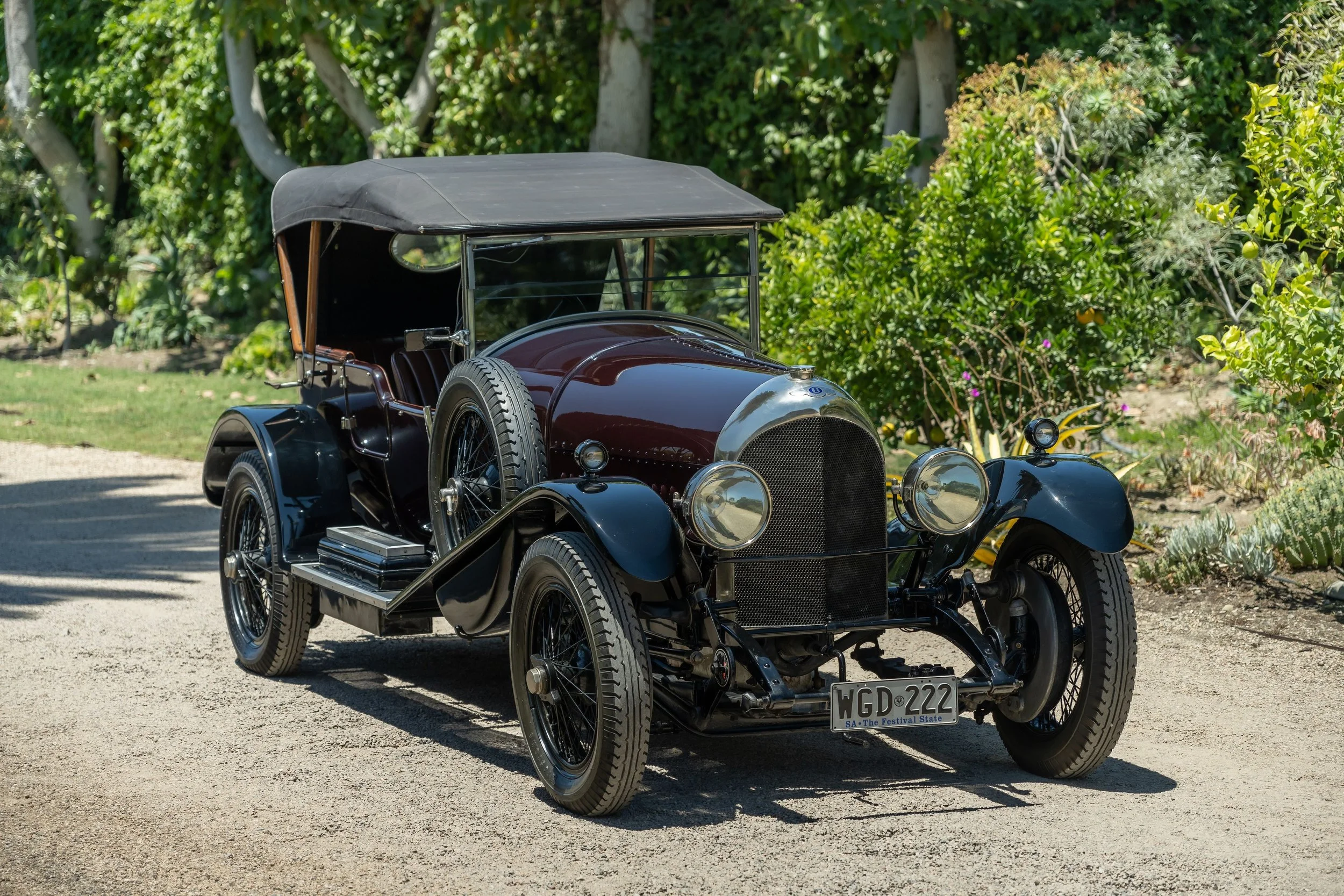
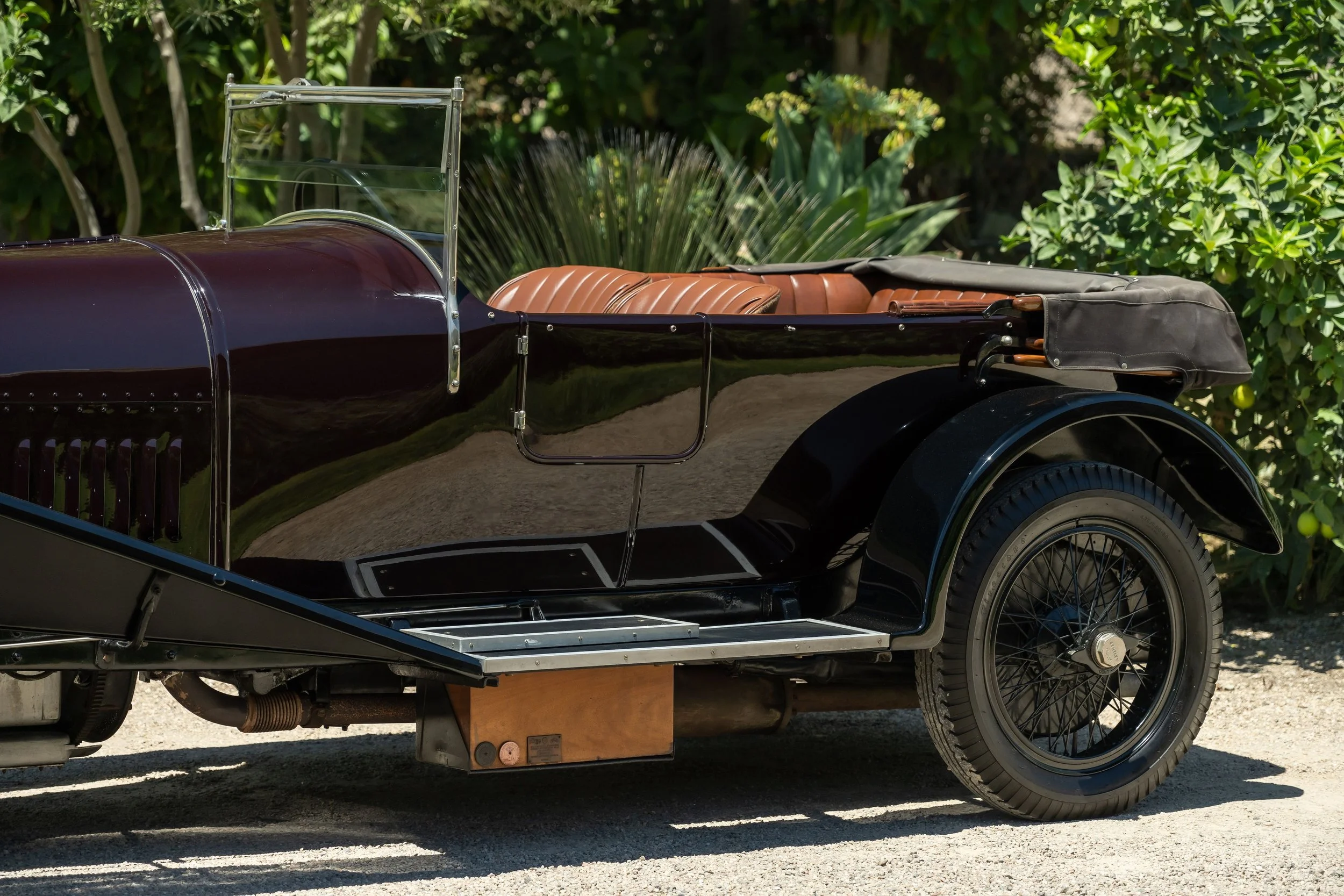
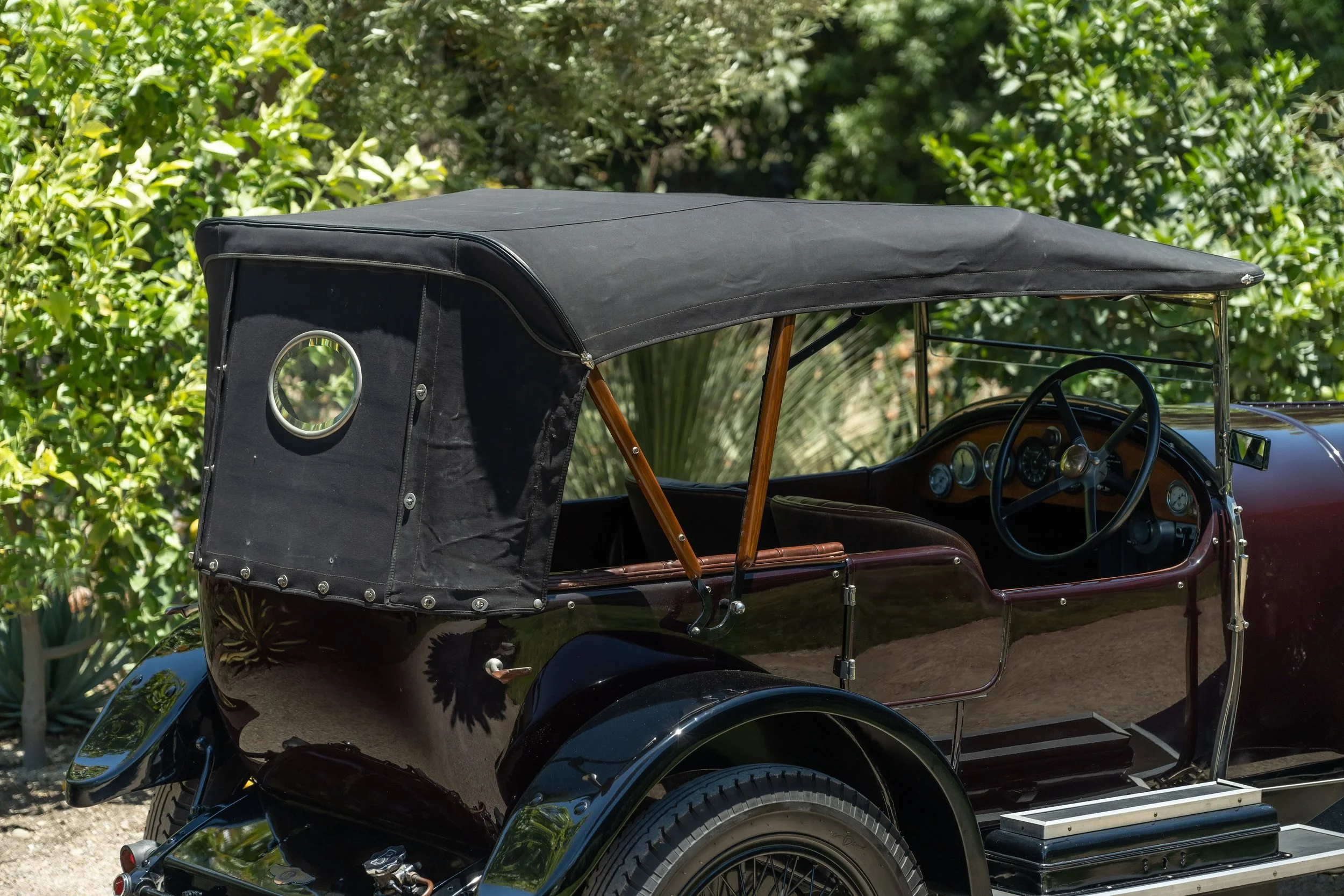
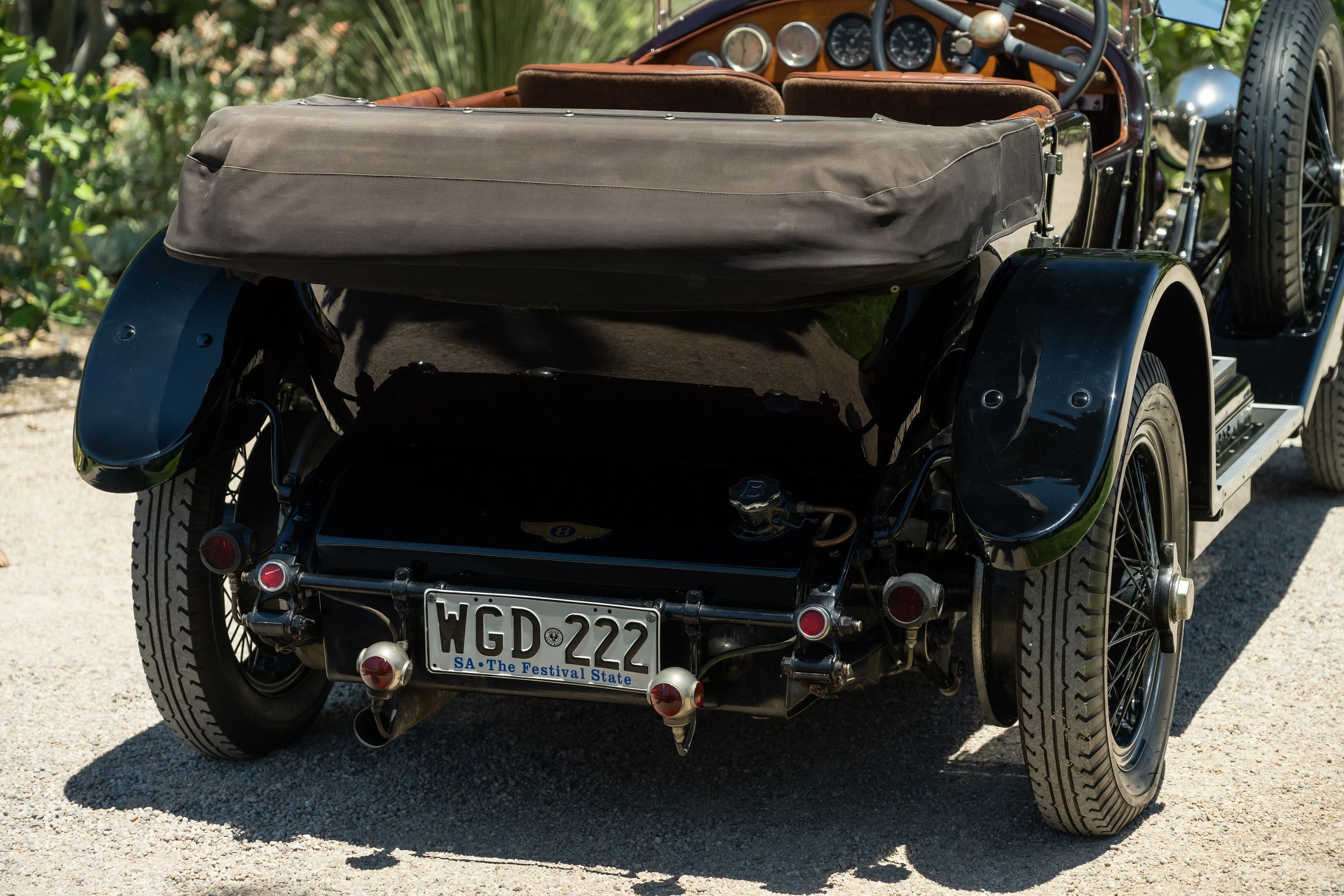
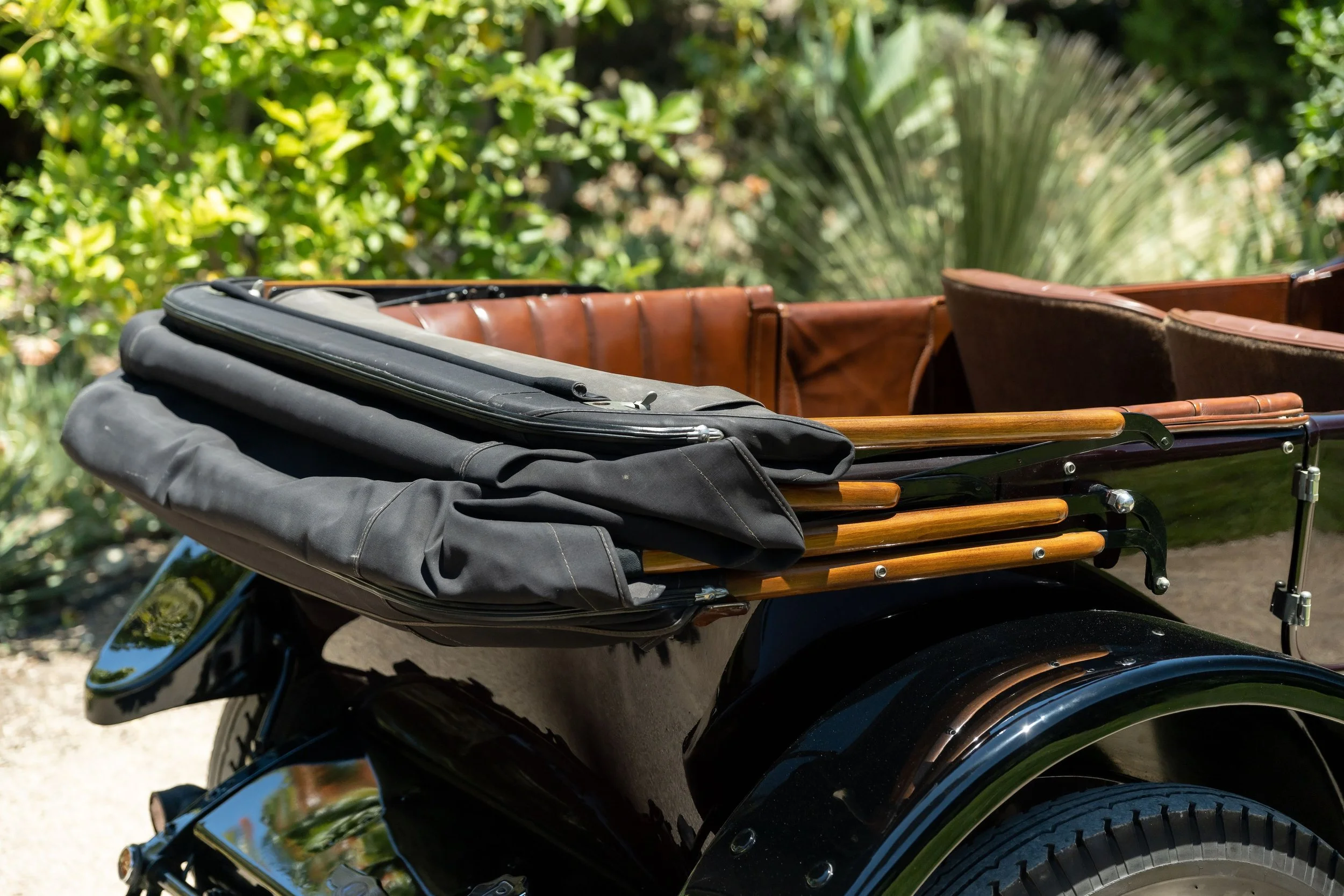
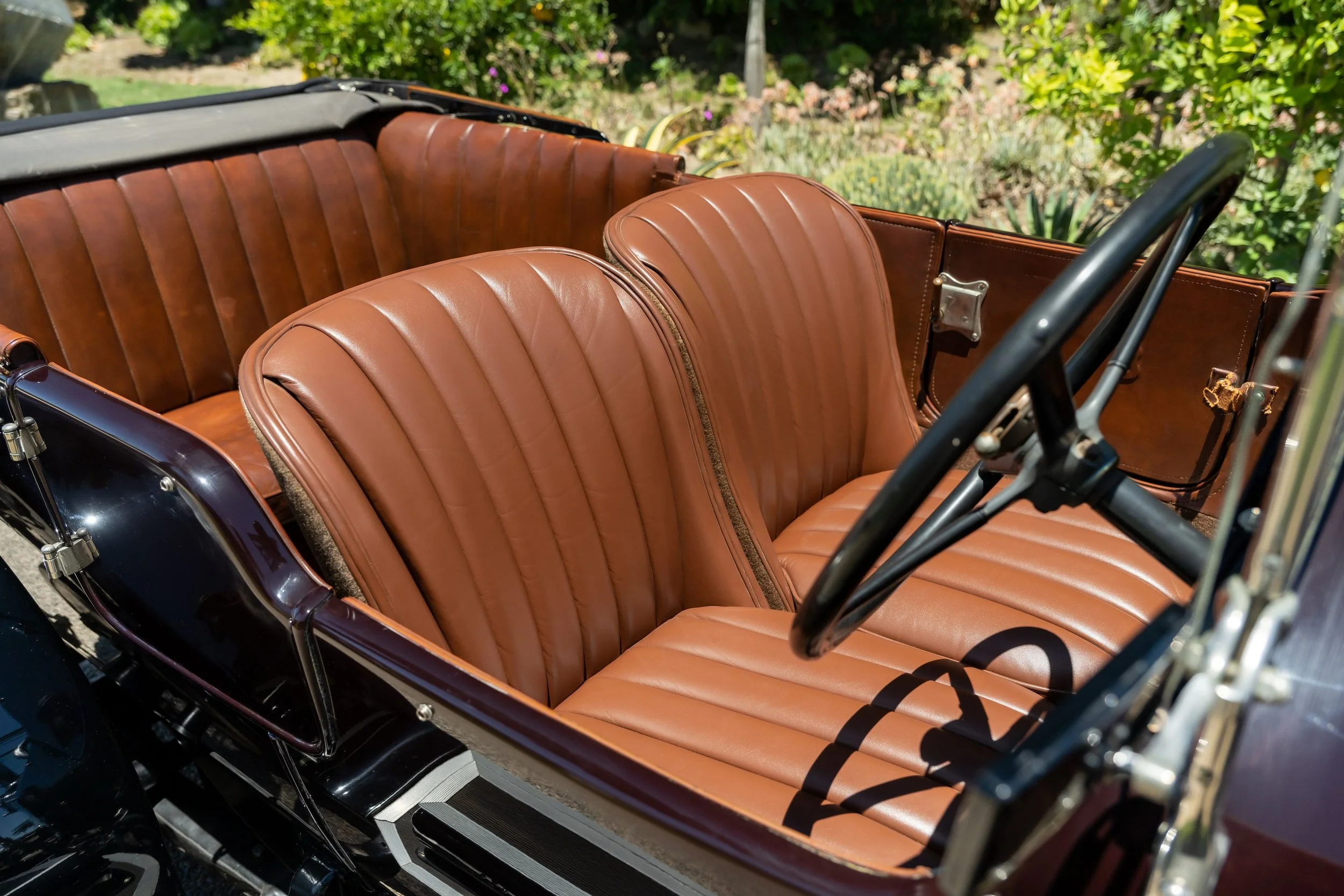
This very handsome 3-litre is built on the sporty 117.5-inch short chassis, and its history has been recorded throughout its life. Chassis number 166 was finished and delivered to its first owner Alan B. Ritchie, an Australian living in London in November 1922. The bare chassis was fitted, as it is today, with engine #164, and the open four-seat bodywork is by the London coachbuilder Park Ward. It is believed that Ritchie used the car without a body for a short time until he had this touring body fitted on September 23, 1922.
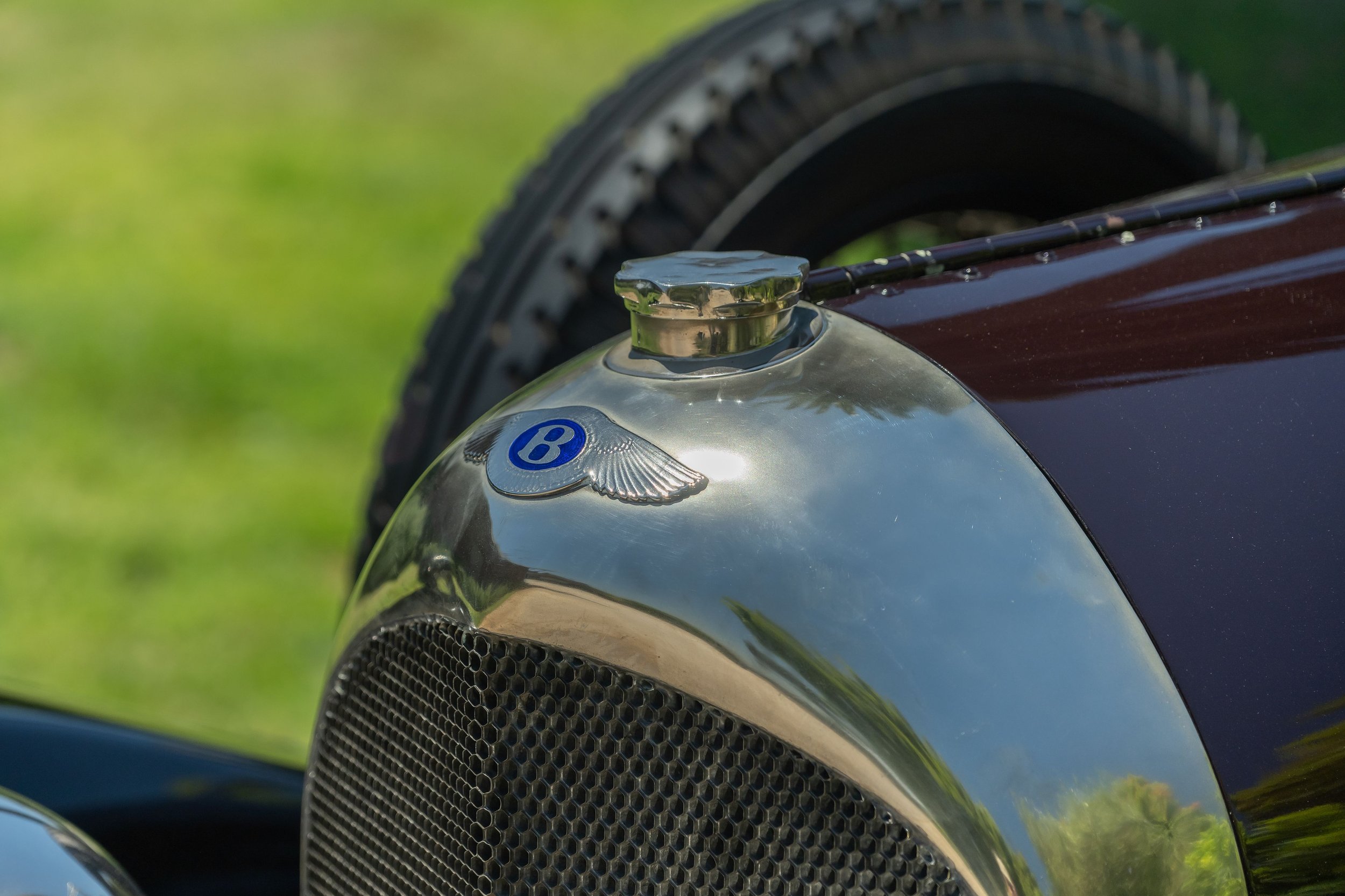
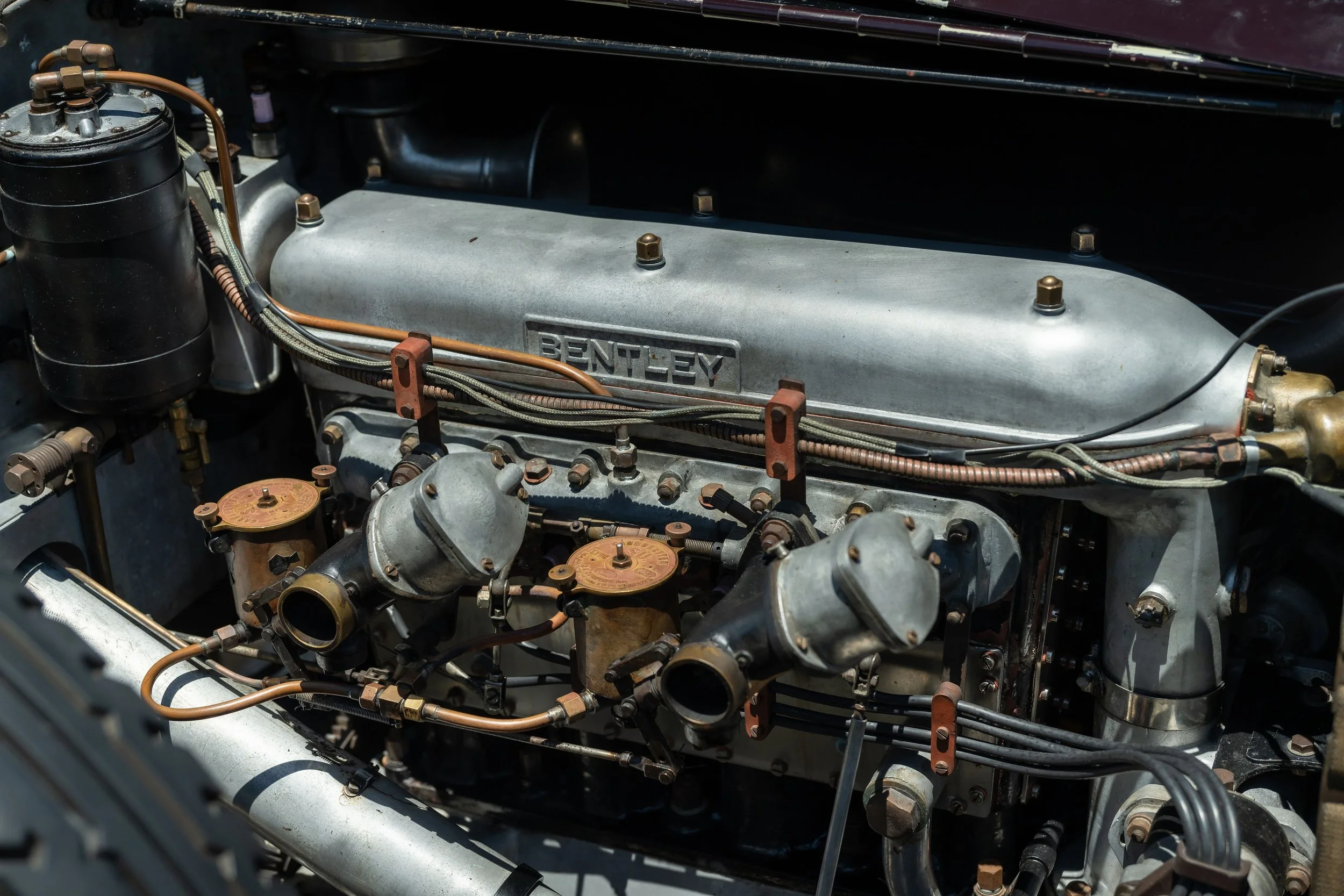
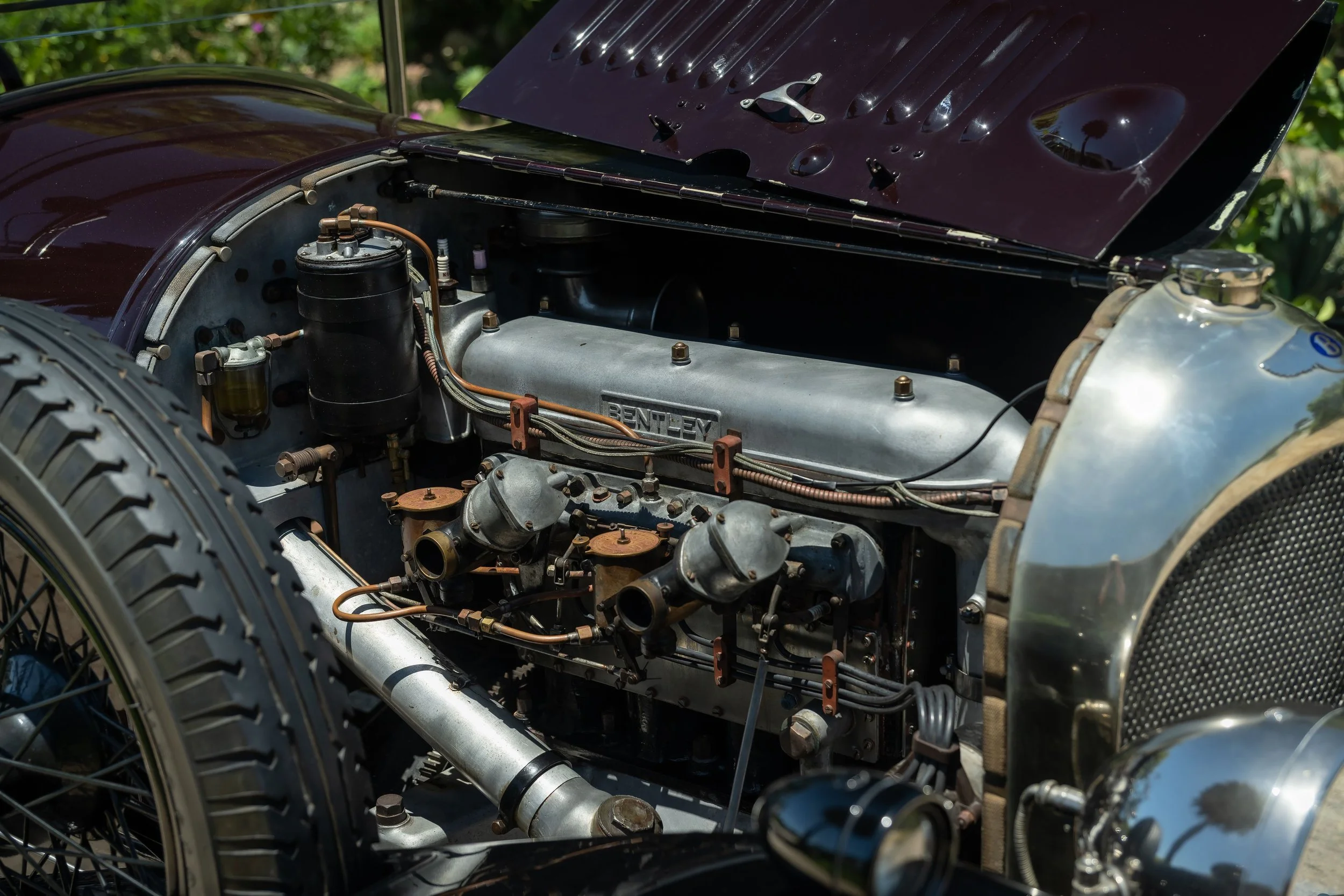
The engine was originally the low compression type with a single Smiths carburetor, often found in the standard 'Blue Label' 3-liters, referring to the color of the winged badge on the radiator cowl. During its early life, the car was converted to Speed Model specifications with twin SU carburetors, higher compression, and appropriate gear ratios. For the first three years of its history, it was regularly serviced back at the Bentley works in Cricklewood, but in January 1924, Ritchie returned to Australia, taking his prized 3-litre with him and the car remained with his family until 1927. It stayed in Australia in very original condition, being cared for by a variety of owners in Melbourne, Adelaide and Sydney, all of whom kept the car running and caring for it along the way.
The Audrain Collection acquired the car at the Bonhams Audrain Concours Auction in October 2023, and four months later it was taken to Saint Moritz in Switzerland to take part in The Ice with studded tires and a team of enthusiastic drivers to run on the frozen lake. Finished in its original color scheme of rich burgundy with black fenders it performed faultlessly in a much colder climate than what it was used to in Australia.
Specifications:
Engine: 2,996cc SOHC inline 4-cylinder
Carburation: Dual SU "Sloper" Carburetors
Power Output: 82hp
Gearbox: 4-speed manual transmission
Suspension: 4-wheel semi-elliptical leaf spring suspension with live axles
Brakes: 4-wheel mechanical drums