1928 Morris Oxford Parkes Body Co.
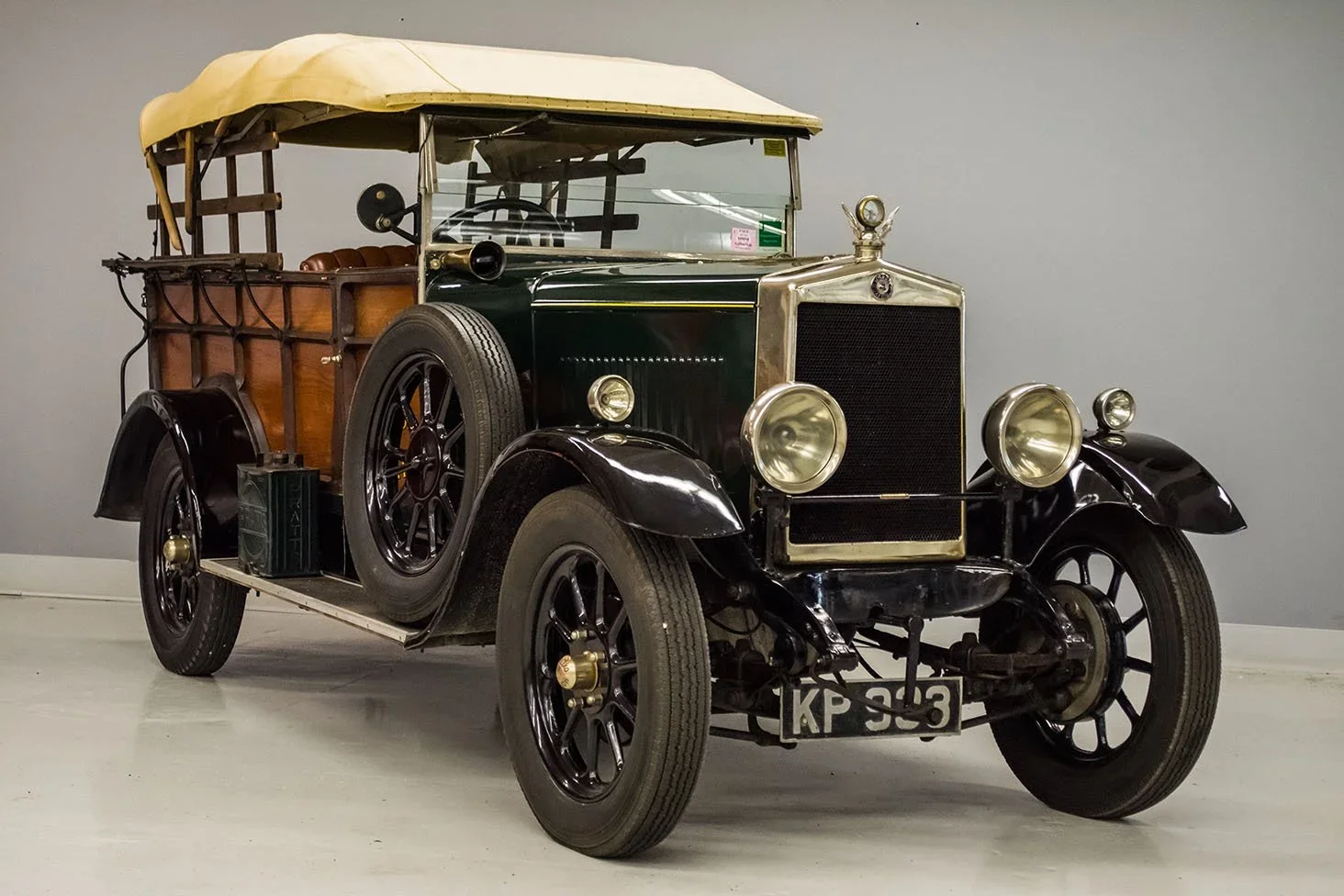
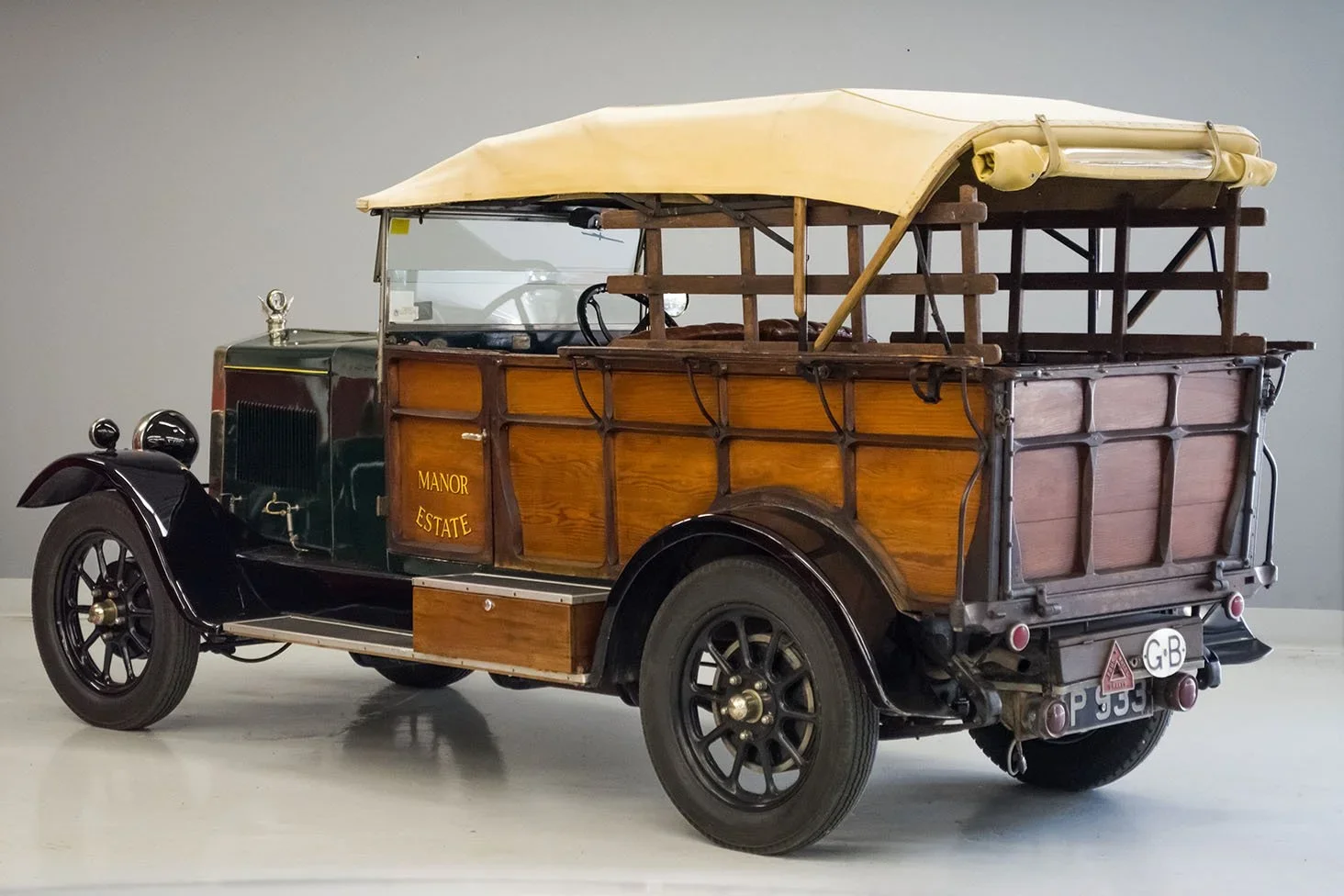
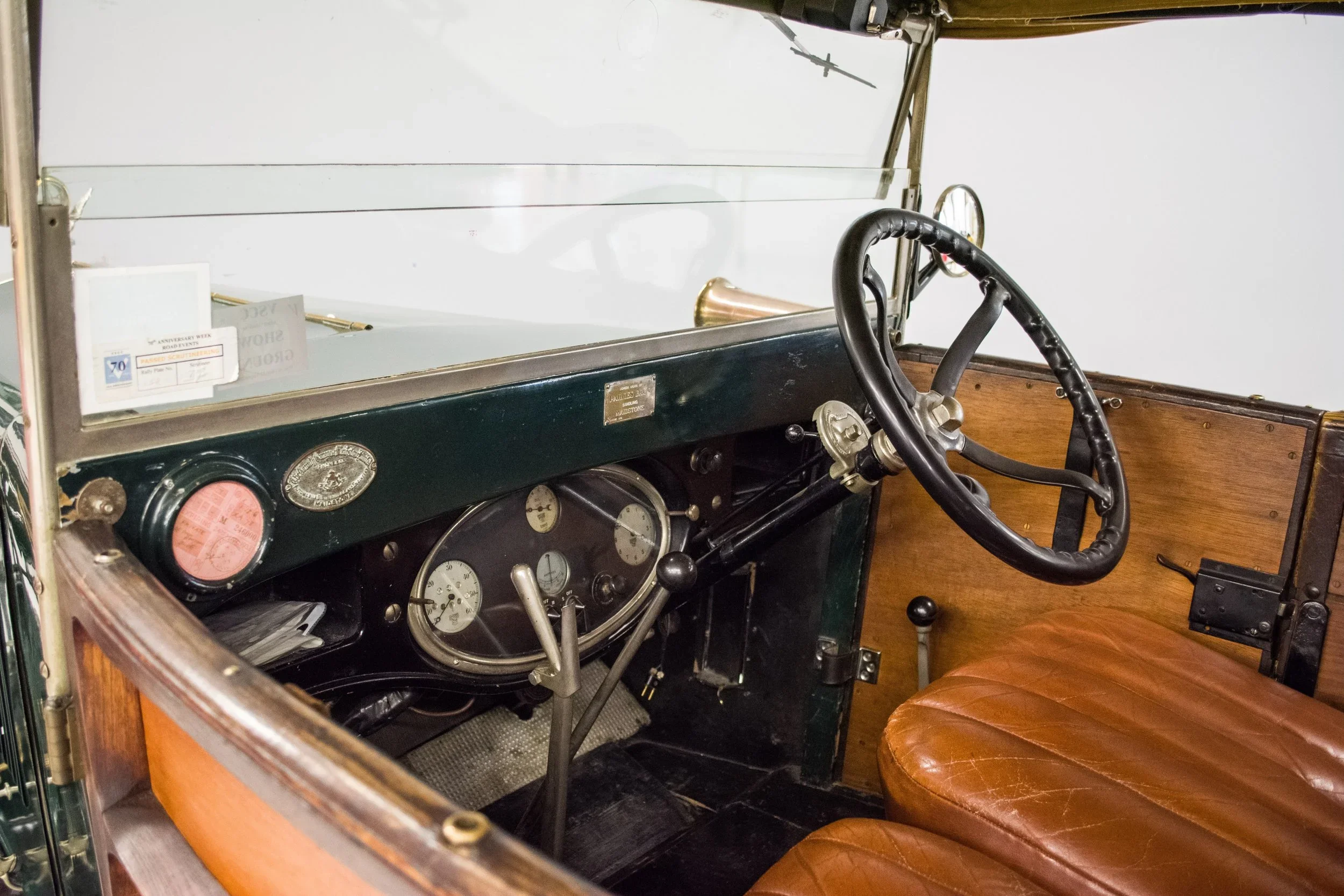
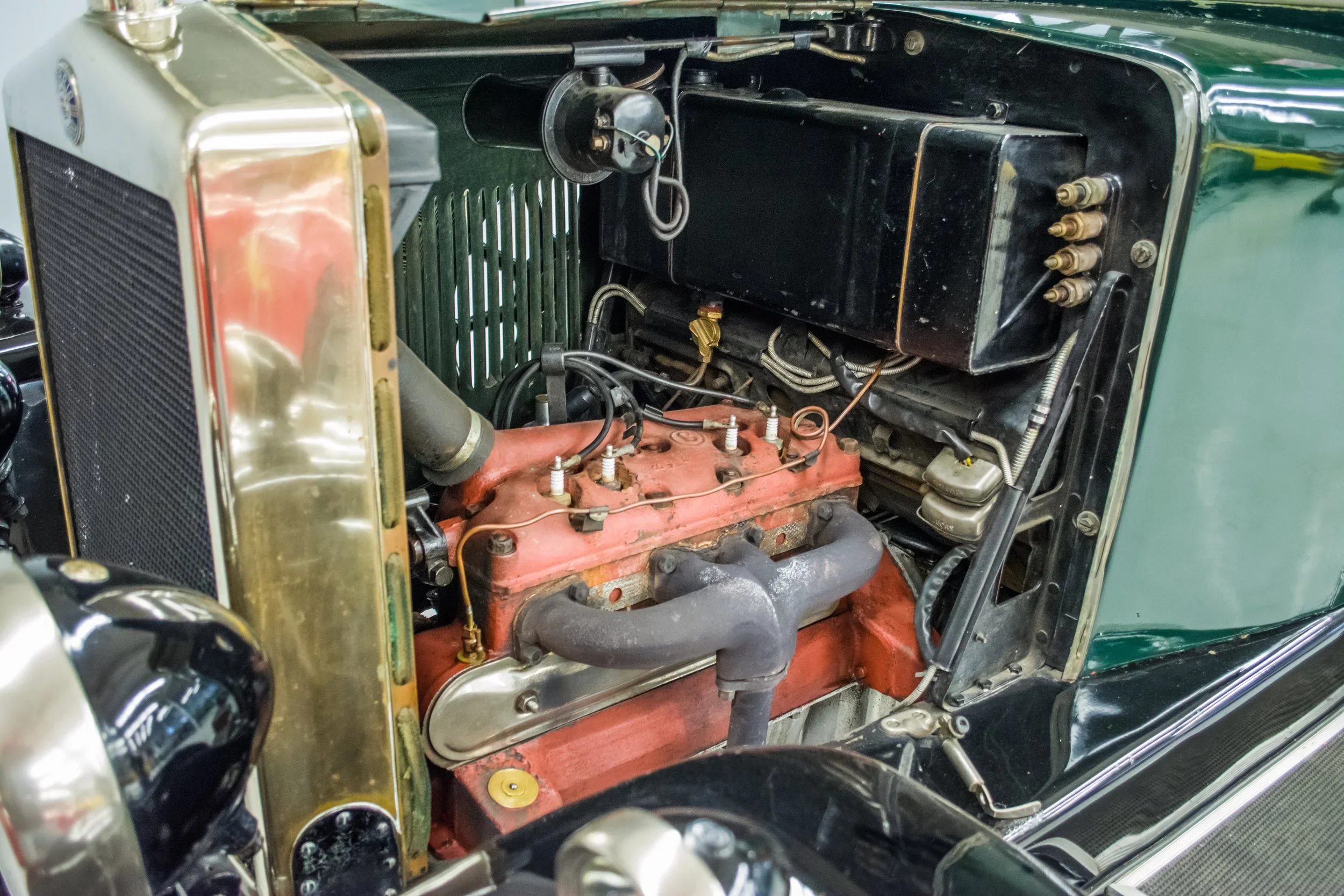
· Perhaps the only surviving example built by Parkes.
· A useful farm and utility vehicle with a durable wood body.
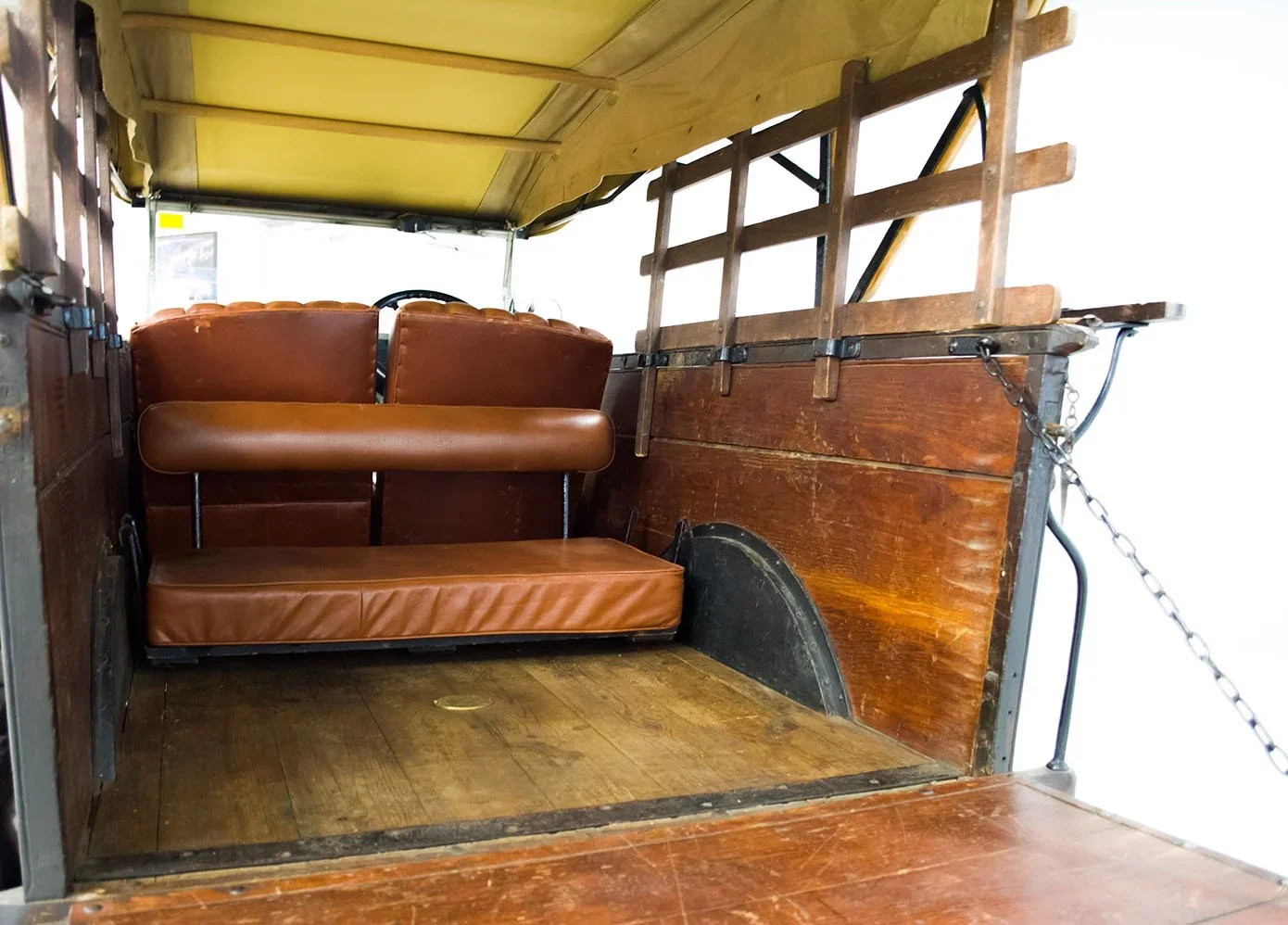
· Configurable interior with a removable rear seat.
Production of William Morris’ first vehicle began in 1913 and was named after his home city. The car was designed in response to the affordable American vehicles which were quickly coming to market, such as the Model T Depot Hack. Only a handful of these wooden bodied Morris Oxfords were made by Parkes in the 1920s, and this is believed to be the only remaining example.
Even though the Oxford was a small vehicle for the period and was not originally built to carry more than two passengers, English coachbuilders like Parkes Body Company were able to transform the Oxford for use in other areas. This Oxford was sold new to Lady Mildmay-White; she used it for transportation around her estate. This Oxford represents an early form of the station wagon, a durable yet inexpensive form of 1920s transportation capable of a wide range of uses. The wooden bodywork was not built with style in mind, but instead, utility and farm work as cars like this tended to take a beating during their life. With a small rear-facing seat, two people could fit in the rear with room for other items, or the seat could be removed completely. This Oxford has complete weather equipment as well, with side and rear screens to protect riders from rain and wind.
The Oxford was one of the most popular British cars of the period, with nearly 170,000 Oxfords built between 1913 and 1926. They were assembled almost completely with “bought-in” parts, meaning Morris made almost none of the parts in-house to reduce the cost. Even though the Oxford was sold new for about £200, this did not mean they were built cheaply. In a 1914 article in the British periodical The Times, a columnist tested the Oxford and found very positive results. Among their comments, it was noted that it handled rough roads very confidently, had a quiet clutch and transmission, and had an overall comfortable ride despite its small size.
Specifications:
Engine: 1.8-liter inline 4-cylinder
Power: 14 hp
Transmission: 3-speed manual
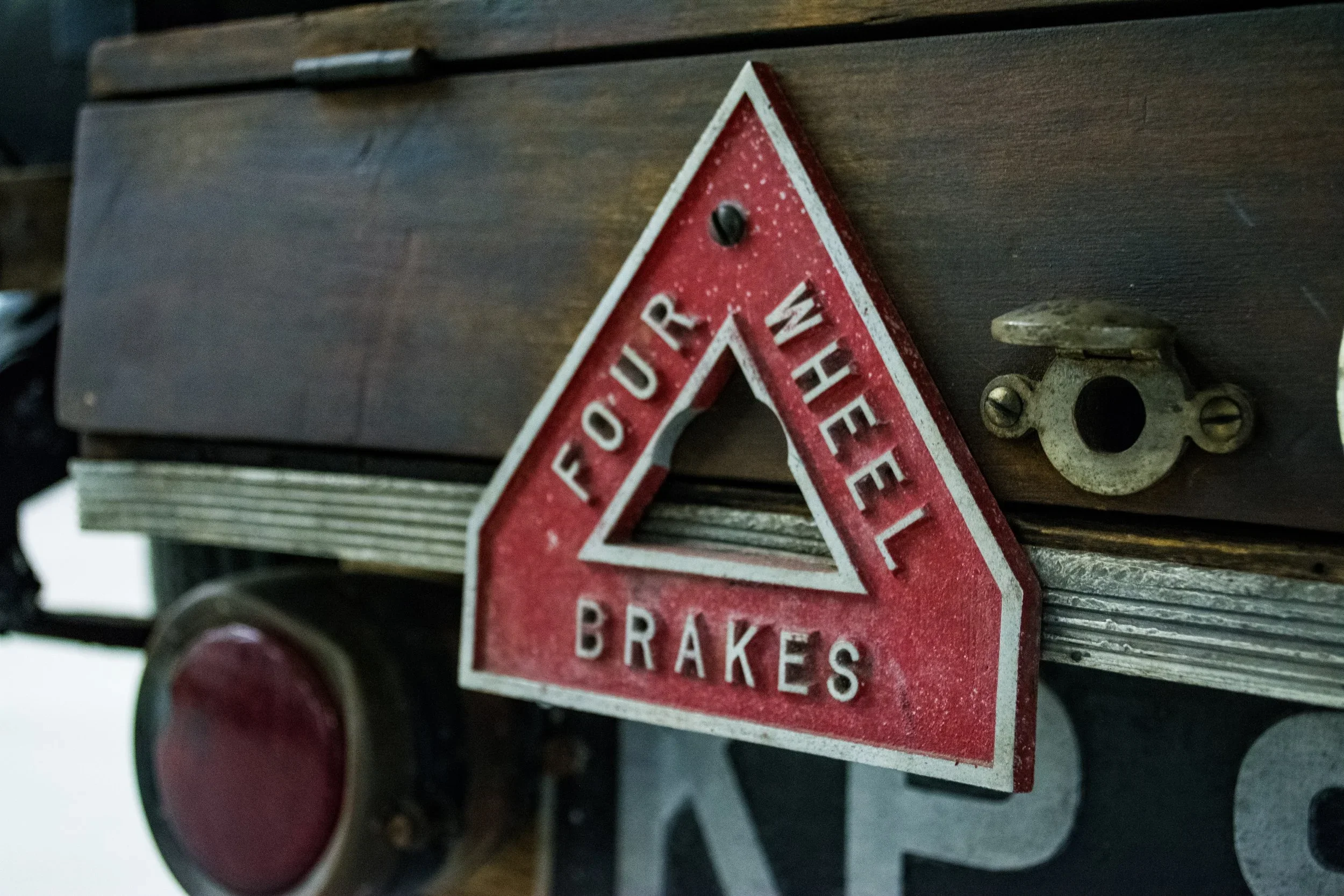
Brakes: 4-wheel mechanical drum brakes
Suspension: Solid front and live rear axles with semi-elliptical leaf springs
Links to related articles:
1928 Morris Oxford - conceptcarz.com
1928 Morris Oxford | Gooding Christie’s
Bonhams Cars : 1928 Morris Oxford 13.9hp Dual-Purpose Utility Chassis no. 266091 Engine no. 270496 example of a wood frame car without a body- Chris Andrews reconstructs antique cars wood frame
1934 Aston Martin 1 ½-Litre MK II Sports
· Unique small sports car from big car era, bodied by Bertelli
· Complete restoration completed at Enfield Auto Restoration
· Recently shown at Amelia Island Concours
Originally established in 1913, Aston Martin had survived bankruptcy by the 1930s and was building some of the finest British sports cars. Operating as Aston Martin Ltd., of Feltham, Middlesex, the company was helmed by Italian technician Cesare Bertelli, who designed a new model with a 1½-litre four-cylinder engine, available on two lengths of chassis and with several varieties of sporting bodywork. The 1½-Litre did not sell rapidly, or in large numbers, but the few that were built proved hugely successful in competition, including in such prestigious events as the 24 Hours of Le Mans.
Factory records from the Aston Martin Heritage Trust confirm that this example, chassis no. F4/455/S, was originally delivered with this “two/four-passenger” Sports body to a Mr. Hadfield, of Watford in the UK, finished in black with a red leather interior. A few years later it moved north to Mr. Garner in Sutton Coldfield.
"Eventually the car came to the U.S. and was purchased by the famed and immense Harrah’s Automobile Collection of Sparks, Nevada. In the mid-1960s, Bill Harrah arranged the sale of the car to a longtime friend and occasional Harrah’s Club headliner, for whom the collection’s shops eventually completed a restoration in a rich auburn hue. The Aston was subsequently on “permanent loan” to Harrah’s Automobile Collection, displayed amongst the other fine Classics, until the collection was closed in the early 1980s. It then moved to the owner’s East Coast collection and remained there until its sale several years ago.
This car recently underwent complete restoration thanks to Enfield Auto Restoration in Connecticut. The skilled team at Enfield didn’t skip over a single detail in restoring the car to its original specification. It was returned as delivered in black the brakes were changed back to mechanical operation from a later hydraulic conversion, and the typical for the period sports car pedal arrangement with a central gas pedal was restored. While it makes the Aston a bit challenging to drive, historical correctness is key! The final touches bringing it back to 1934 included the canvas windows, top cover, and tonneau."
Specifications:
Engine: 1.5 Liter inline 4, SOHC
Power Output: 70-73 bhp @ 4740 rpm
Carburetors: Twin SU
Gearbox: 4-speed manual
Top Speed: ~ 85 mph