

1927 Minerva AF 32 CV Sport Sedan
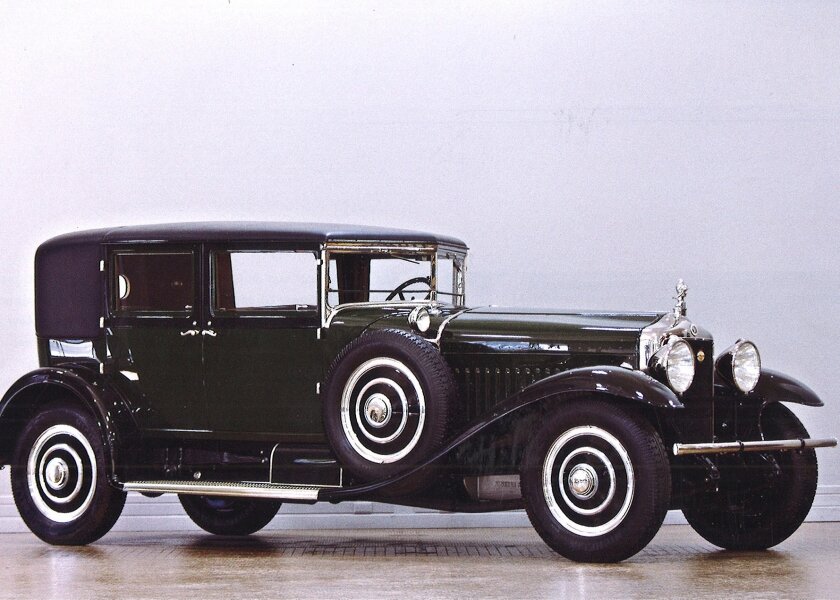
Best in Class Amelia Island Concours 2024, Greenwich Concours Best in Show runner up 2024
European luxury car made in Belgium
Unique engine design with sleeve valve cylinders
The 1927 Minerva AF 32CV Sport Sedan is one of the best surviving examples of Belgian luxury car making from the Golden Age of the motorcar. Today, this rare Sport Sedan still stands out as a great example of Minerva’s engineering and style.
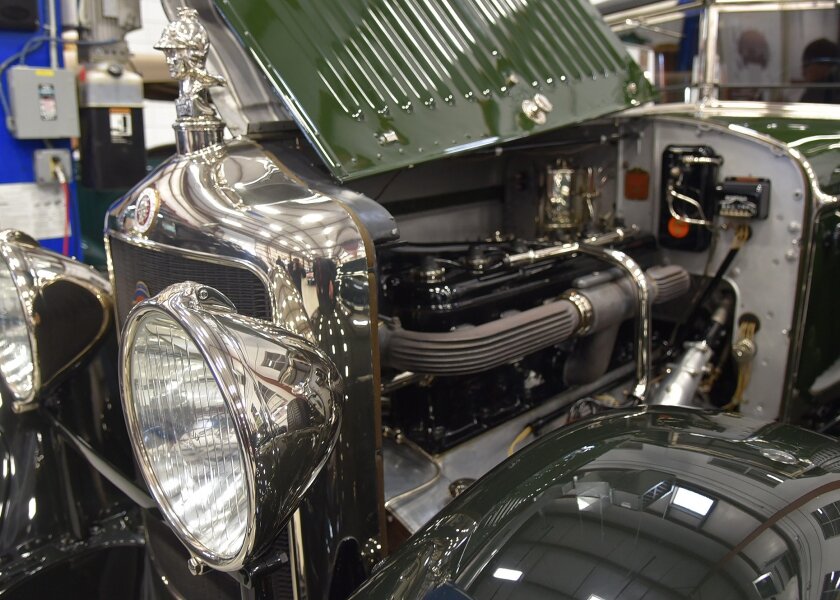
Starting as a bicycle manufacturer, a major step for Minerva came in 1908, when the company got a license to build Charles Yale Knight’s sleeve-valve engine. Unlike regular engines that used spring-operated poppet valves, the Knight system used carefully made steel sleeves inside the cylinders to control fuel and exhaust. This design made the engine much quieter and smoother than traditional engines. Even though sleeve-valve engines needed careful building and maintenance, their smoothness became a mark of the best luxury cars, and Minerva became one of the top makers using this system.
The AF Series, launched in 1926, showed off Minerva’s approach to engineering. As one of their top models, the AF 32CV had a large sleeve-valve inline six-cylinder engine with about 100 horsepower. The car also had a four-speed manual transmission for easy driving and vacuum-assisted four-wheel drum brakes, features which made the AF 32CV one of the most advanced European cars of its day.
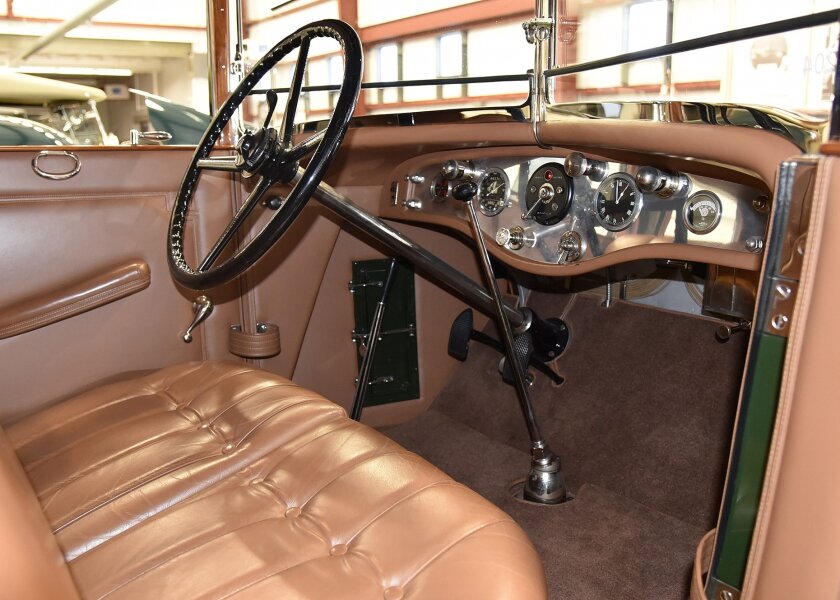
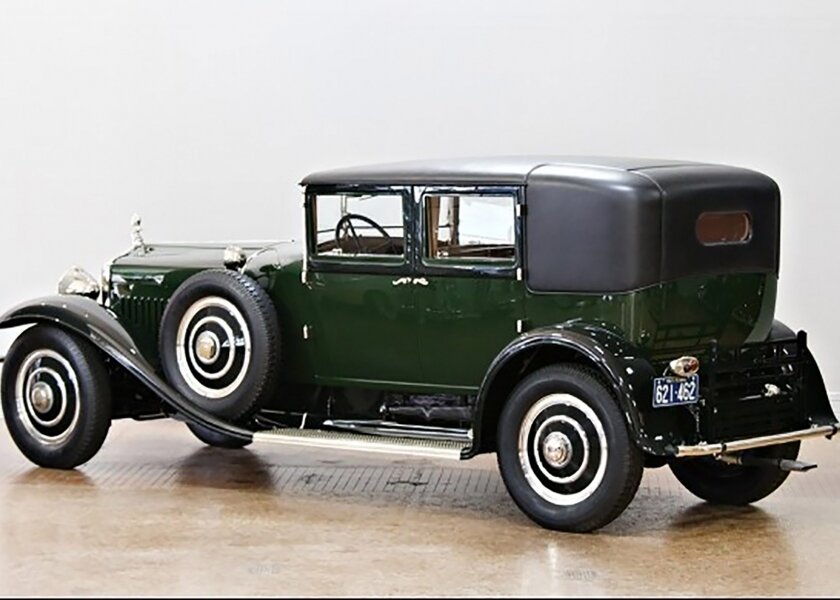
Minerva often worked with top coach builders to create unique cars for each customer. For this special Sport Sedan, Minerva chose LeBaron of Detroit, a respected American coachbuilder. It’s believed that only two cars were made with this special Sport Sedan body, making it extremely rare. The car is painted a deep green with sweeping black fenders, giving it a simple, elegant look instead of flashy decorations. Its most eye-catching feature is the deep V-shaped windshield, which people often compare to the front of a luxury yacht, making the car look like it’s moving even when parked. Inside, there’s fine leather upholstery, beautifully finished wood trim, polished metal details, and stylish Jaeger gauges. Folding jump seats and a roomy back area show that the car was mainly meant to be driven by a chauffeur, but it still has a sporty feel.
This car has a special and well-recorded history. It was likely shown at the 1926 New York Automobile Salon at the Hotel Commodore and ten years later, the Minerva appeared in the 1937 Fred Astaire musical A Damsel in Distress, adding even more to its impressive story.
In the 1990’s the car was bought by Drew Lewis, a former U.S. Secretary of Transportation, who valued its history. Lewis later gave the Minerva to Steve Babinsky, a well-known expert, who carefully restored it to look just as it did when new, using detailed research and period documents. This restoration not only saved one of the rarest Minerva but also made it one of the best surviving examples of the brand.
The car’s high-quality restoration has been recognized at some of the world’s top car shows. The Minerva won a class award at the Pebble Beach Concours d’Elegance and later received an AACA Senior Grand National Award, proving its authenticity and historical value. After joining the Audrain Collection in 2018, the car kept winning honors. At the 2024 Greenwich Concours d’Elegance, it was named Most Distinguished Closed Car and was Runner-Up for Best of Show.
Today, the 1927 Minerva AF 32CV Sport Sedan reminds us of when Belgium was one of the world’s top car-making countries. Its advanced sleeve-valve engine, stylish LeBaron body, impressive history, and award-winning restoration show why Minerva was so respected in the twentieth century.
Specifications
Engine: 5954 cc sleeve valve Inline 6-Cylinder, Zenith 2-barrel carburetor; 4-speed transmission; double sided or dual chain drive
Performance: 100 horsepower
Chassis: Semi-elliptical leaf spring suspension; 4-wheel vacuum servo mechanical drum brakes
Top Speed: 70 mph
Weight: 5300 lbs