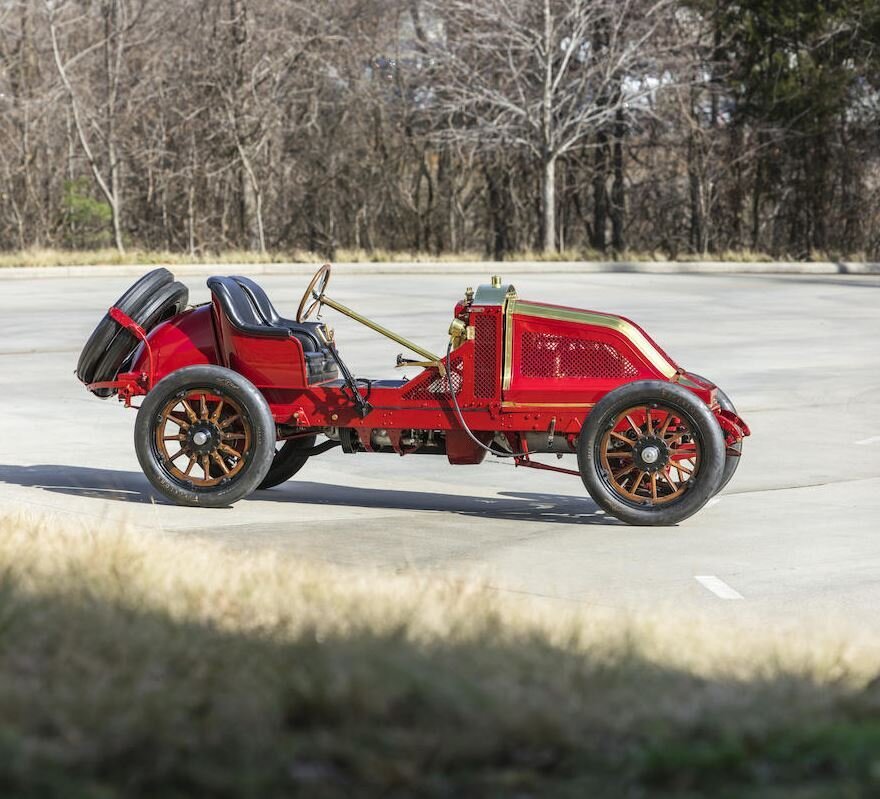
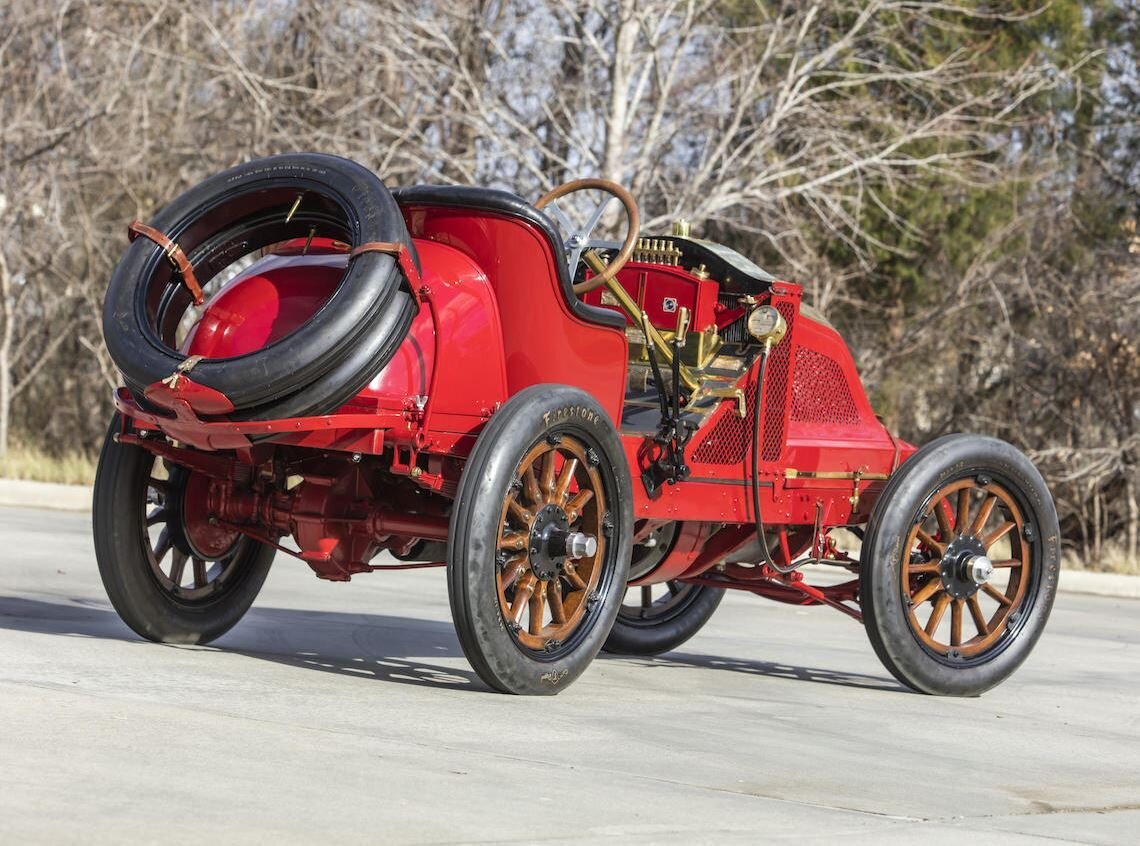
1907 Renault AI 35/45HP Vanderbilt racer
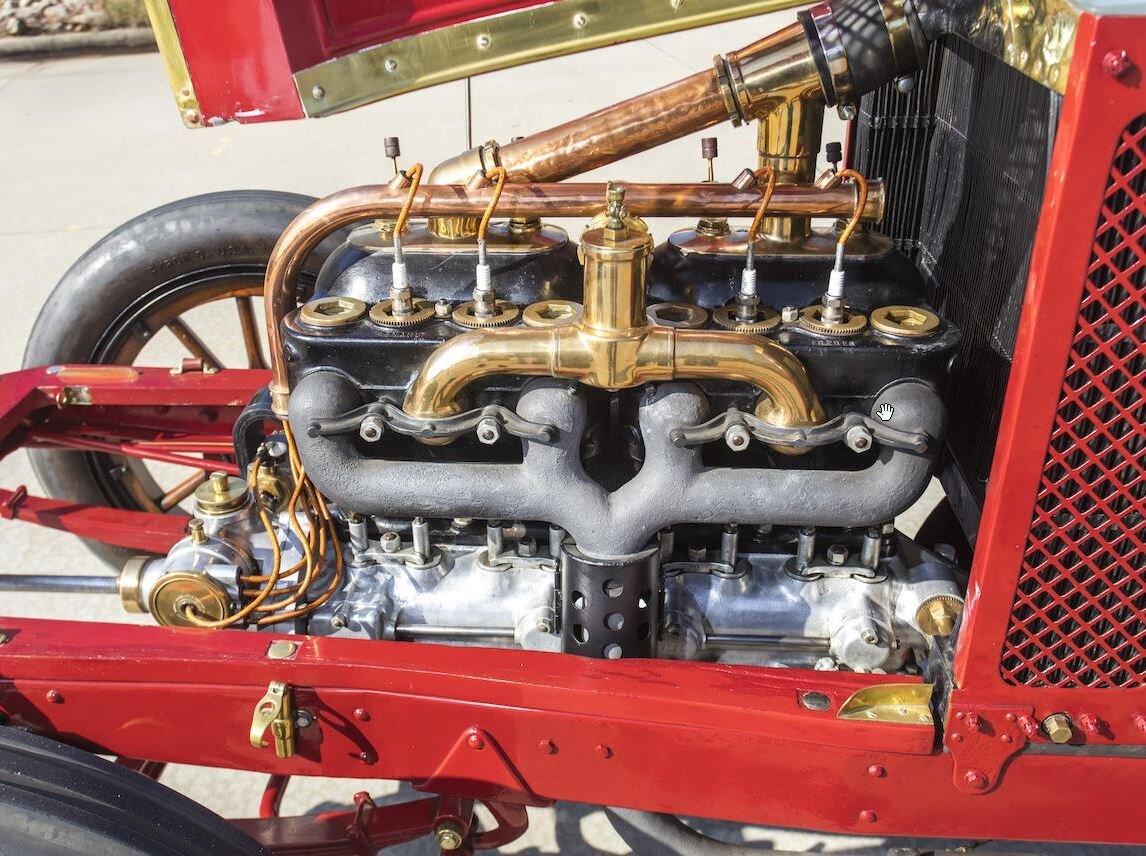
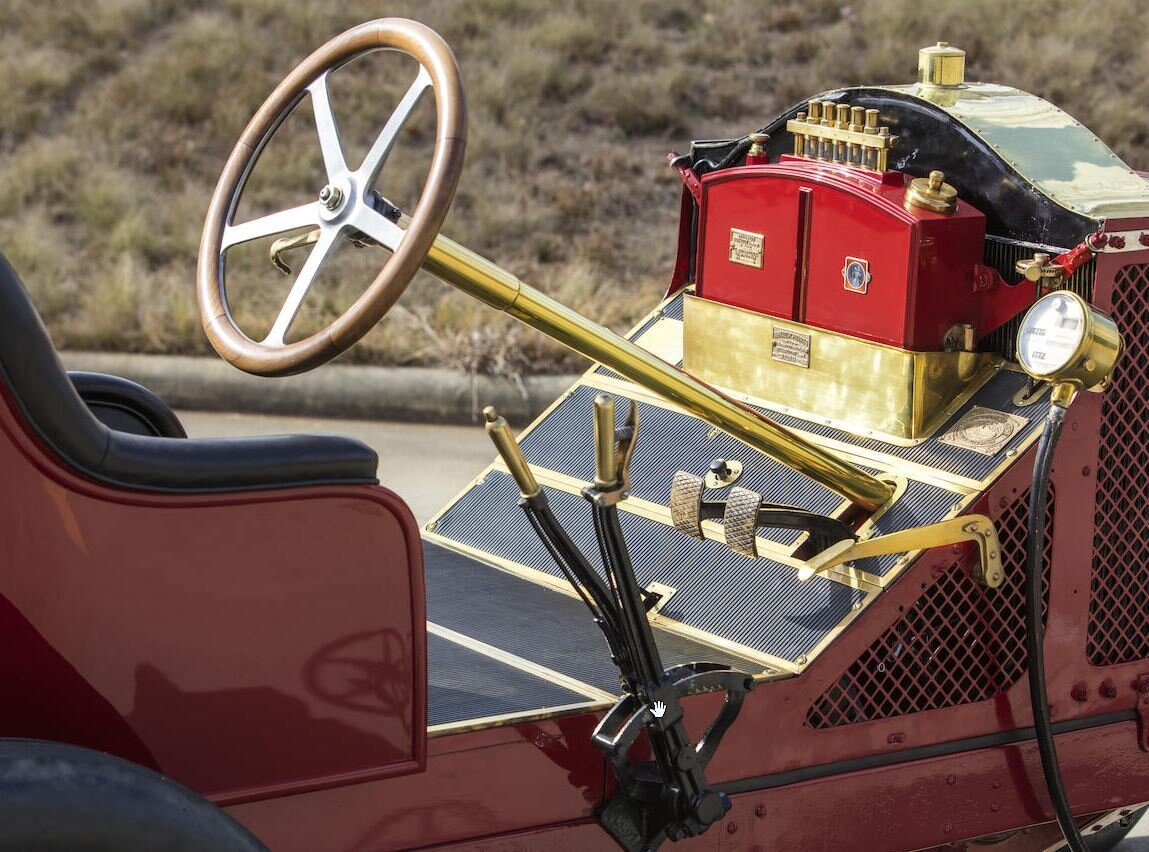
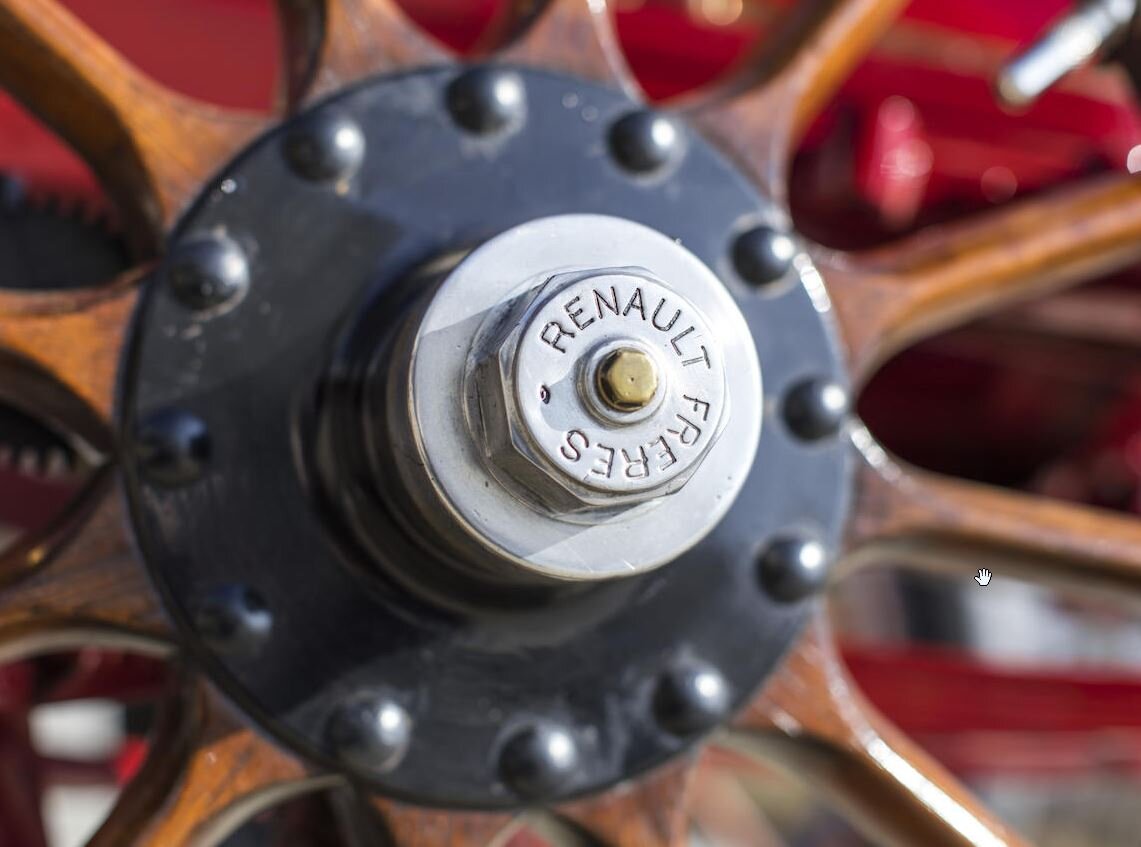
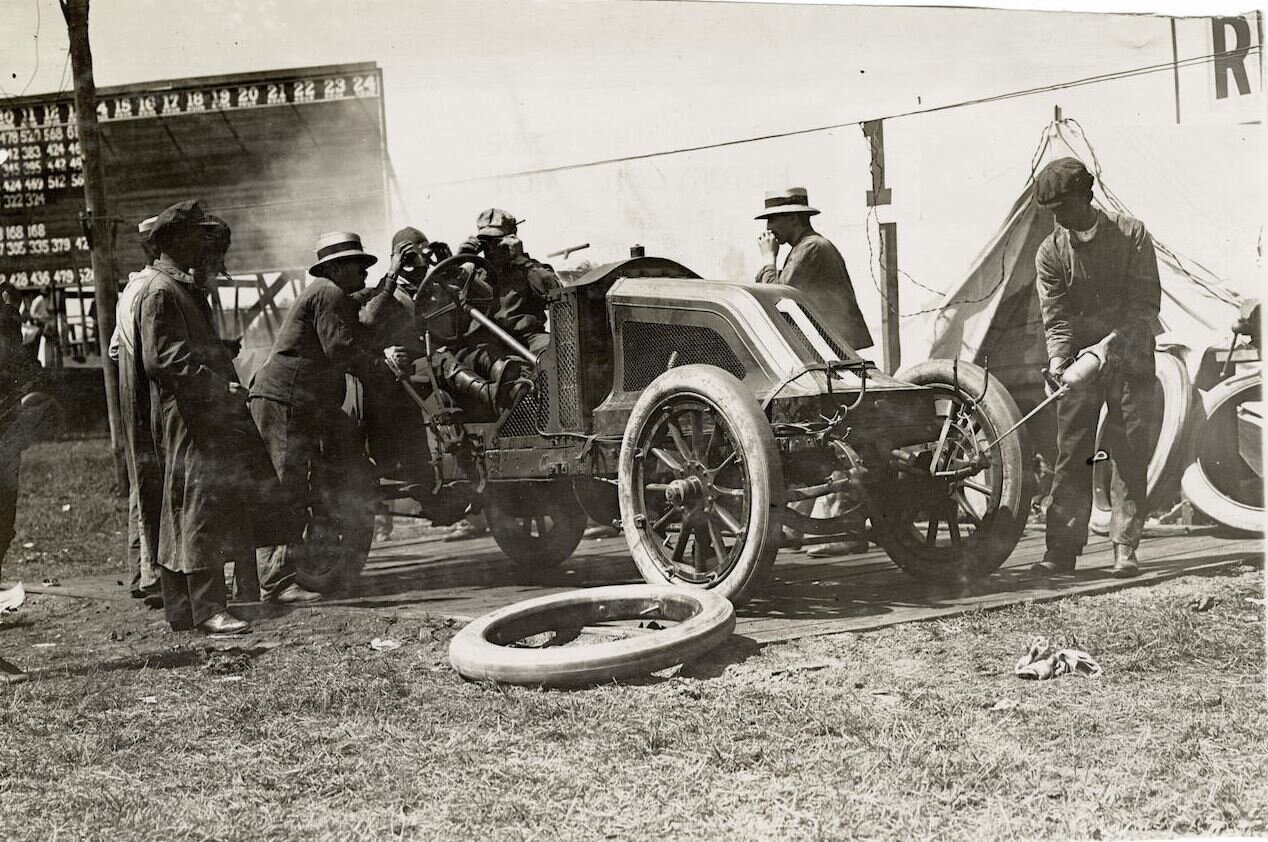
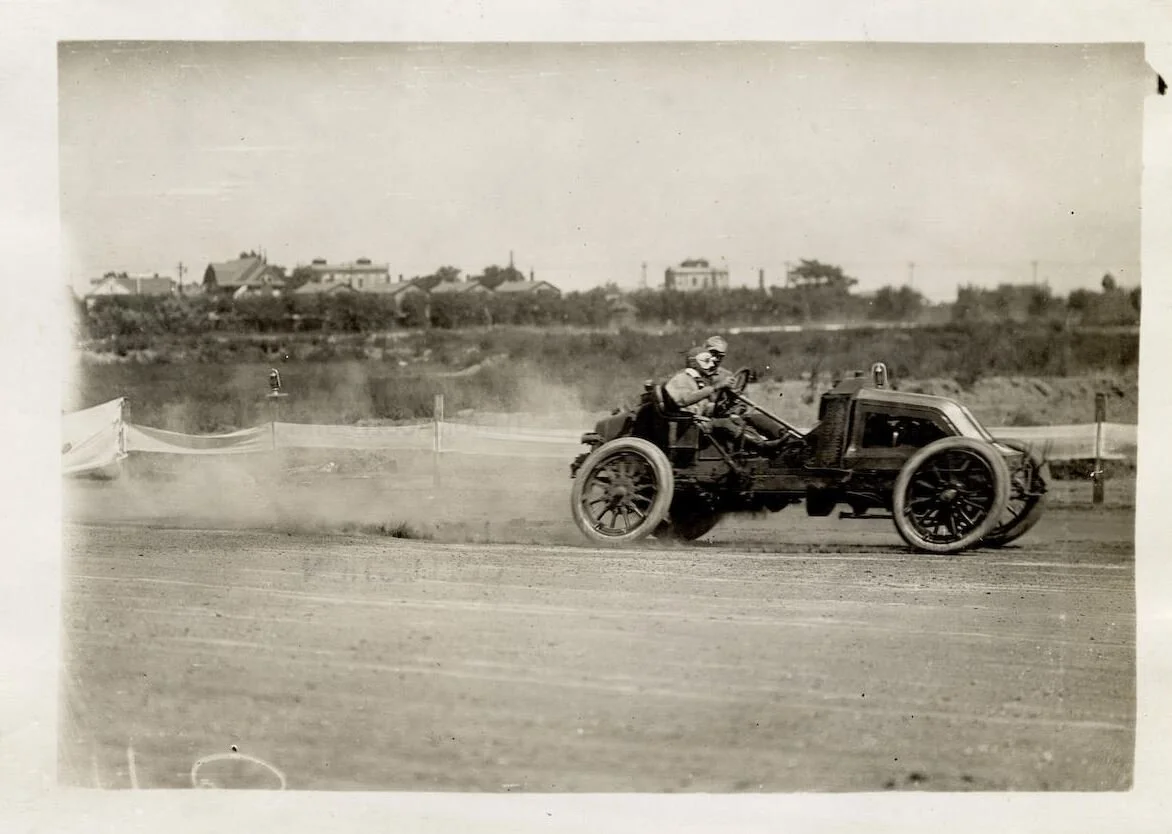
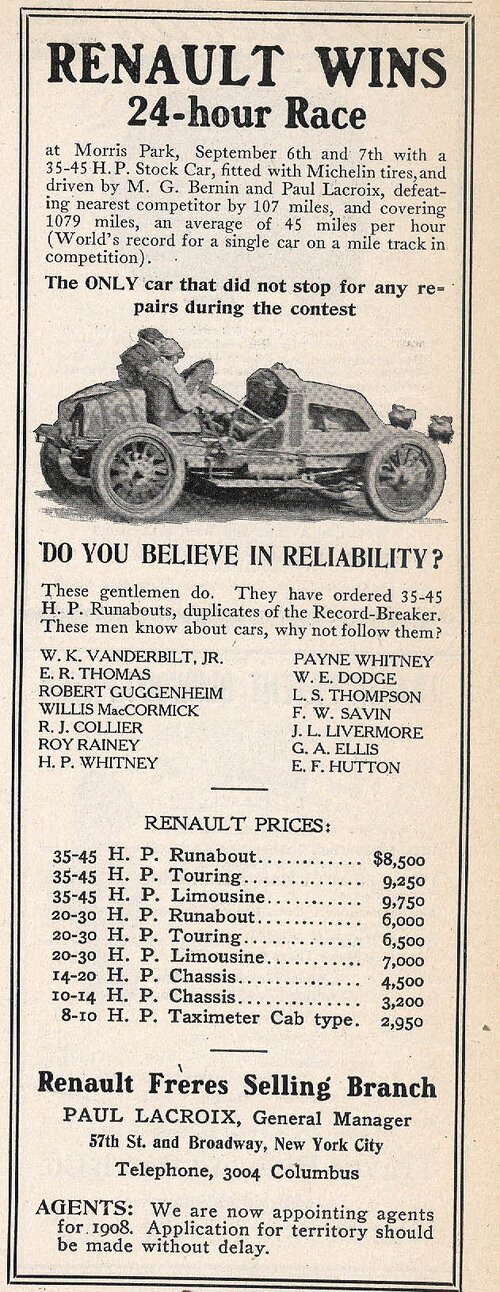
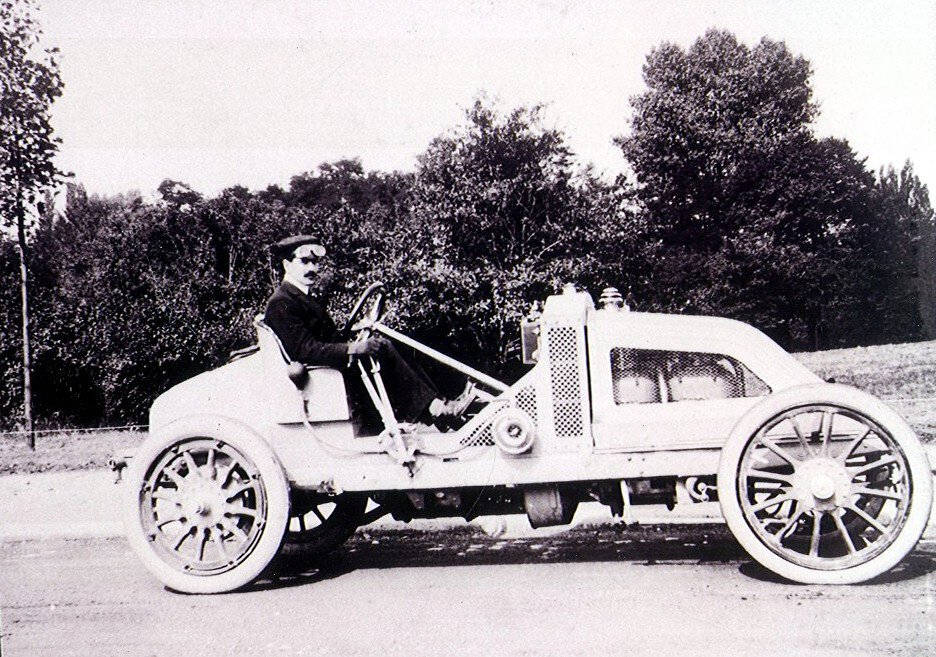
Awards: 2017 Wilbraham Vintage Hill Climb: Fastest pre-WWI Time; 2017 Pebble Beach Concours d’Elegance: Best in Class, Phil Hill Trophy, REVS Institute Award; 2023 Salon Privé, Blenheim Palace: Best in Class; 2025 MODA Miami: Best of Collection/The Winner’s Circle
Based upon Renault’s successful GP race cars, well known in Europe
Willie K organized the 1st motor racing in Newport in 1900 and founded (1904) the Vanderbilt Cup auto races, which were the first major international road races in the United States
This 1907 Renault “Vanderbilt Racer” is one of the most significant automobiles of the early 20th century, representing the most advanced technologies and highest performance available in a road or racecar of the time. This Renault is 1 of 14 (of which 6 survive) commissioned by wealthy socialite, automobile enthusiast, and Newport resident Willie K. Vanderbilt and his wealthy young friends, including Robert Guggenheim, H.P. Whitney, Payne Whitney, and E.F. Hutton.
Early in the 20th century, France hosted many important race events, allowing brands like Renault to establish themselves. The demanding 769-mile 1906 French Grand Prix was the first international road race of its kind and was won by Ferenc Szisz in the highly capable 90 horsepower Renault Type AK, drawing significant attention from enthusiasts around the world, including Willie K. Vanderbilt of course.
By 1906, Renault was leading the charge in automobile technology and had introduced numerous innovations that became industry standards years later. When most companies seemed purely focused on how fast their car could go, Renault looked to dial in precise handling in their racecars. Renault’s hydraulic shock absorbers were many years ahead of their time and kept the cars much more planted on the road than leaf springs or other suspension methods. Weight management was also a major focus of Renault’s engineering, designing a chassis that featured a front - mid engine layout with the radiator located behind the engine at the firewall. Both the engine and transmission were also moved back significantly, keeping most of the weight between both axles.
Willie K. Vanderbilt had been obsessed with all types of automobiles since his early childhood; he was 10 years old in 1888 when he rode 7 kilometers from Beaulieu-sur-Mer, France, to Monte Carlo as a passenger in a steam powered tricycle – long before the public would ever experience such a moment. While Willie K. had a strong interest in both yachting and horse racing, his passion for automobiles continued to bloom through his teen years and into his early 20s.
Willie K. was just 22 years old in 1900 when he hosted the first Newport Automobile Races at the Aquidneck Horse Track, which was located behind what is now the Stop & Shop, near the Newport State Airport in nearby Middletown, R.I. These multi-class races represent some of the earliest organized races in the world, though within a few years, these races got so popular and the cars too fast that they quickly outgrew the property, drawing more than 10,000 spectators to the races. As a result, Willie K organized the first – and most prestigious - international road race held in the United States, the Vanderbilt Cup Race, held on Long Island. Parts of the road circuit that were constructed are now part of the Long Island Parkways system.
By 1906, Willie K. and other wealthy automobile enthusiasts recognized the value in high performance racing cars, and at this point, Renault was fresh off their French Grand Prix victory and was mounted atop the performance car ladder.
Willie K. approached Renault to inquire about purchasing 35/45 HP racing cars for his friends and racing associates. The 35/45 HP you see here is a slightly scaled down version of Renault’s delicate GP race car. It is much easier to operate in the hands of a private owner, though was athletic enough to compete at the highest levels of racing at the time.
Renault let Willie K. know that he would need to find 14 buyers of these 35/45 HP cars, which was not a problem. With that, Renault began production of approximately at a cost of $150,000 – approximately $4.5 million in today’s money.
Today, this Renault remains in stunning condition, both aesthetically and mechanically. Its state of originality and completeness has been called “astounding” especially considering these were designed as private racing cars, which were often crashed or forgotten about when new technology became accessible. The car has run very well in numerous tours throughout the years, and has even competed in the Wilbraham Hill Climb, achieving the fastest time for a pre-WWI racer.
Specifications
Engine: 7.5-liter, L-head inline 4-cylinder
Power: 65 hp
Transmission: 4-speed progressive transmission
Suspension: Semi-elliptic leaf springs front and rear
Brakes: Mechanical hub and service brakes